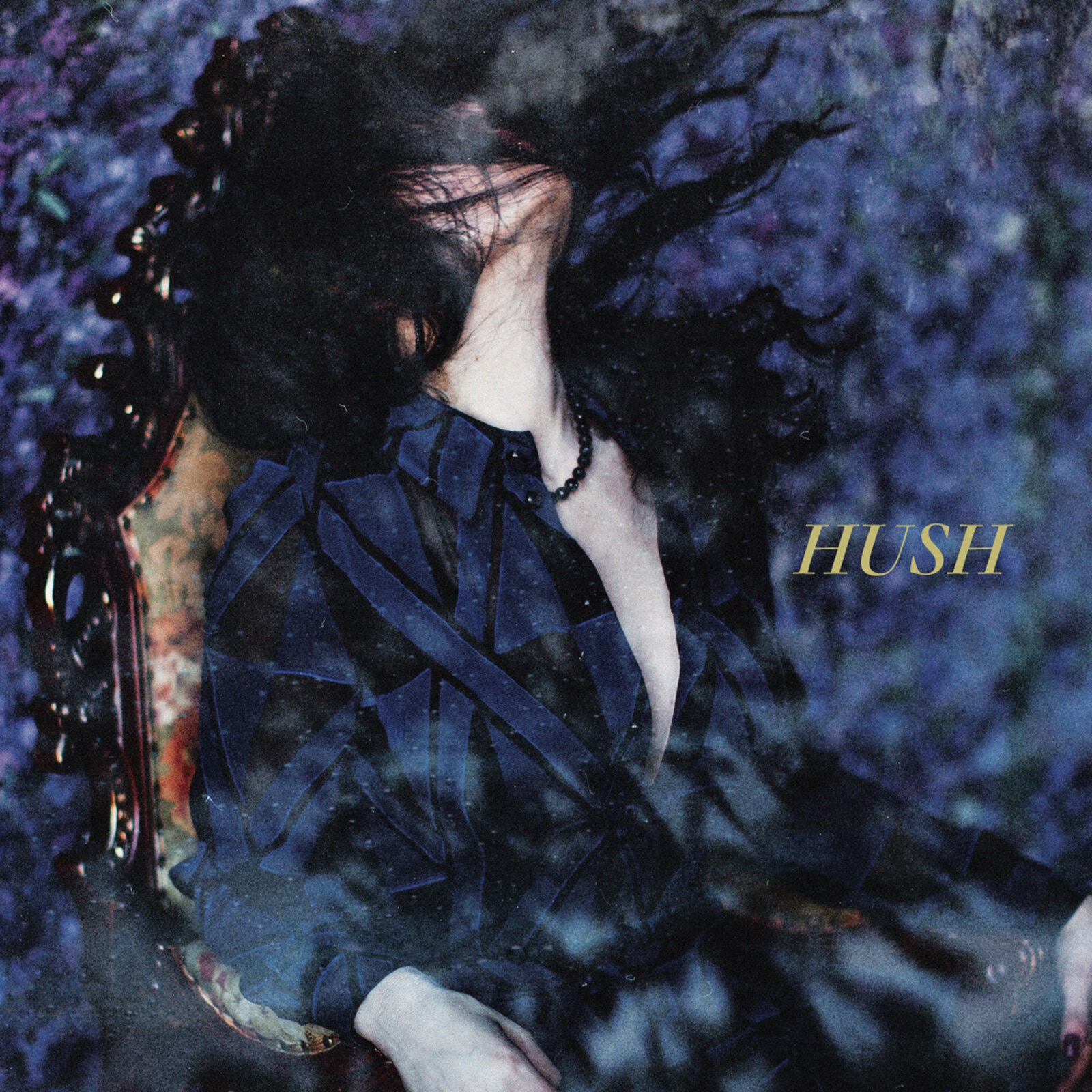
An artist’s namesake can imply a great lot about their respective output, and the work of Slow Crush certainly rings true to their provocative moniker.
As something that can be attested to by anyone who has heard their material thus far, the gloomy yet serene Belgian shoegazers create art that is enveloping and blanketing. At first it’s soothing, even therapeutic, but as time goes on it becomes suffocating and engulfing in a transition that’s so gradual, the tranquillizing properties never lose effect. The group’s widely acclaimed debut LP Aurora showcased this brilliantly, but their forthcoming second body of work Hush only sees the band tightening their squeeze in a way that’s forceful yet wonderfully elegant.
Recorded amidst the literal darkness of winter and proverbial darkness that shadowed the height of the pandemic, Hush is without question the group’s darkest work to date. However, simultaneously, it their most hopeful and optimistic. Slow Crush have always been a band of great contrast and division, with their evocative take on the shoegaze genre being composed of both wistful longing and granulating noise, but this record sees the band swirling the two shades upon their palate. It’s a coalescence of fatalism and romanticism, one that’s delivered with tremendous grace and force.
Opener ‘Drown’, to be put simply, is the musical equivalent of its title. Opening with ethereal tones prior to a quickly silenced shriek of feedback, the track feels akin to entering the cold waters of the ocean beneath the alluring warmth of silent moonlight. It’s a greatly serene ordeal, one without fear and one that’s led by the distant dreamlike vocals of Isa Holliday who tempts one further into the depths. To continue with the drowning metaphor, the proceeding ‘Blue’ is the moment where one realises there’s no return to the surface. It lurches into being with granulating down-tuned fretwork and ironclad dissonance, and in relation, the following push and pull of ‘Swoon’ and the minimalistic despair of ‘Gloom’ is where the pressure of depths begin to take effect. Despite such visceral and hopeless visuals though, such tracks invoke heightened feelings of beauty and allurement.
The stark contrast between the hulking density of the instrumentation and the ethereal, mollifying vocals of Hush serve as the record’s primary crux, but what allows this record to exert its effortless pulling force is how they’re intermingled. These two vastly different tones exist in the same space and manifest as one sound as opposed to two clashing elements. Whilst Hush is pummelling and harsh, especially within the hulking metallic shoegaze of ‘Swivel’ and thunderous post-metal marred title track, it’s a record of serenity and deeply considered composure.
It almost has a post-rock feel in its carefully manifested and suffocating atmosphere, one that pulls and yields as it explores vivid thoughts of both turmoil, agitation and grace, peace. It’s the ambidextrous work of guitarists Jelle Harde Ronsmans and Jeroen Jullet that wrenches this record to such moods but again, it’s the work of the aforementioned Holliday that animates it and adds the otherworldly serenity that defines it. ‘Lull’ and ‘Thrill’ are fantastic examples of this dynamic. Bleak and gorgeous, such tracks brilliantly showcase the unison of moods and textures that Slow Crush have weaved together, and with their emotional weight almost physical, these songs once again pull you down into the shimmering depth they entice from. It’s cold comfort in it’s most visceral and haplessly alluring form.
In all, whilst Slow Crush may have found their sound organically in their earlier work, Hush is where it’s majestically refined. It’s a beautiful and pacifying listen, one where its moments of aggression and misery are countered by its overarching and anchoring disposition of grace and still peace in a way that’s never jarring and only fluid. The band may have earned their crown as leaders of the modern shoegaze resurgence extremely early in their career, but this shows they are well and truly on their way to becoming the Slowdive and the My Bloody Valentine of the new modern movement.