Hailing from Central Florida, Tactosa breathe new life into old skool deathcore and Exit Wounds sets its stall out early, with brutal riffs and pounding percussion being the order of the day. Opening track ‘Dead Pacifist’ comes charging out of the traps with frantic aggression, melding the band’s hardcore and death metal influences in the most savage manner before giving way to the furious ‘Tastemaker’, which features sections that wouldn’t sound out of place on the next Knocked Loose record. Two tracks in and, although being as white-knuckle as you can get, it is evident that this band are not just simply pig squeal and breakdown merchants; they’ve got groove, they’ve got muddy, rattling bass breaks and there’s enough hardcore-tinged moments to keep the two steppers happy.
The band’s heart-on-sleeve reverence for Suicide Silence is never more apparent as ‘DIY Autopsy’ begins with a riff that would make their 2007 masterpiece The Cleansing blush, before vocalist Kyle Weeden‘s piercing cry of ‘JUST A SLAVE TO YOUR SENSES’ conjures aural memories of the aforementioned band’s much beloved and bitterly missed frontman Mitch Lucker. If all of that was not enough, Kyle Medina (of Switzerland bruisers Paleface) barges his way to the foreground with what will surely be considered, when 2023 is said and done, one of the most aggro mosh calls of the year to bring the EPs centrepiece to a colossal, crushing close.

After establishing himself in previous grime-punk project Asteroid Boys as a frontman full of energy and potential guitarist/vocalist Philipos ‘Traxx’ Davies proves that he’s capable of restrained grace as well as ripping up the stage. Intro track ‘Shout’ sets the mood for the rest of the album, mixing a smooth jazz keyboard with building punk drums and Traxx’s screamed gratitudes and affirmations. The soul of the album is truly on show from the beginning here, with messages of positivity backed up by experimental soundscapes alongside punk energy.
Don’t think that experimentation means that XL Life can’t tear it up with the best of them, as proven by the track ‘If You Want It Come And Get It’, with thrash-punk energy and complex guitar riffs acting as a backdrop for Traxx to break out a series of hardcore slogans. Drummer Jasper Gaskin really shows off on this track, shredding blistering hardcore beats with ease and style.
A standout track on The Boogie Down South is lead single ‘Baby Steps’, by far the longest track on the album, clocking in at almost four and a half minutes but never outstaying it’s welcome. Juxtaposing scorching hardcore drums with soaring atmospheric guitars and featuring a verse from grime-punk favourite Bob Vylan. With some of the best instrumental work on the album and a singalong shouted chorus that feels primed to carry this track onto every rock playlist in the country. The only time the track stumbles is with Bob Vylan’s verse which, although poignantly putting across it’s message, slows down the pace of the track too much for a relatively short verse, ‘Baby Steps’ shows off XL LIFE’s diverse songwriting ability but either needed to give Vylan a longer verse to justify slowing down or needed to provide Bob Vylan a high energy verse to go all out on.

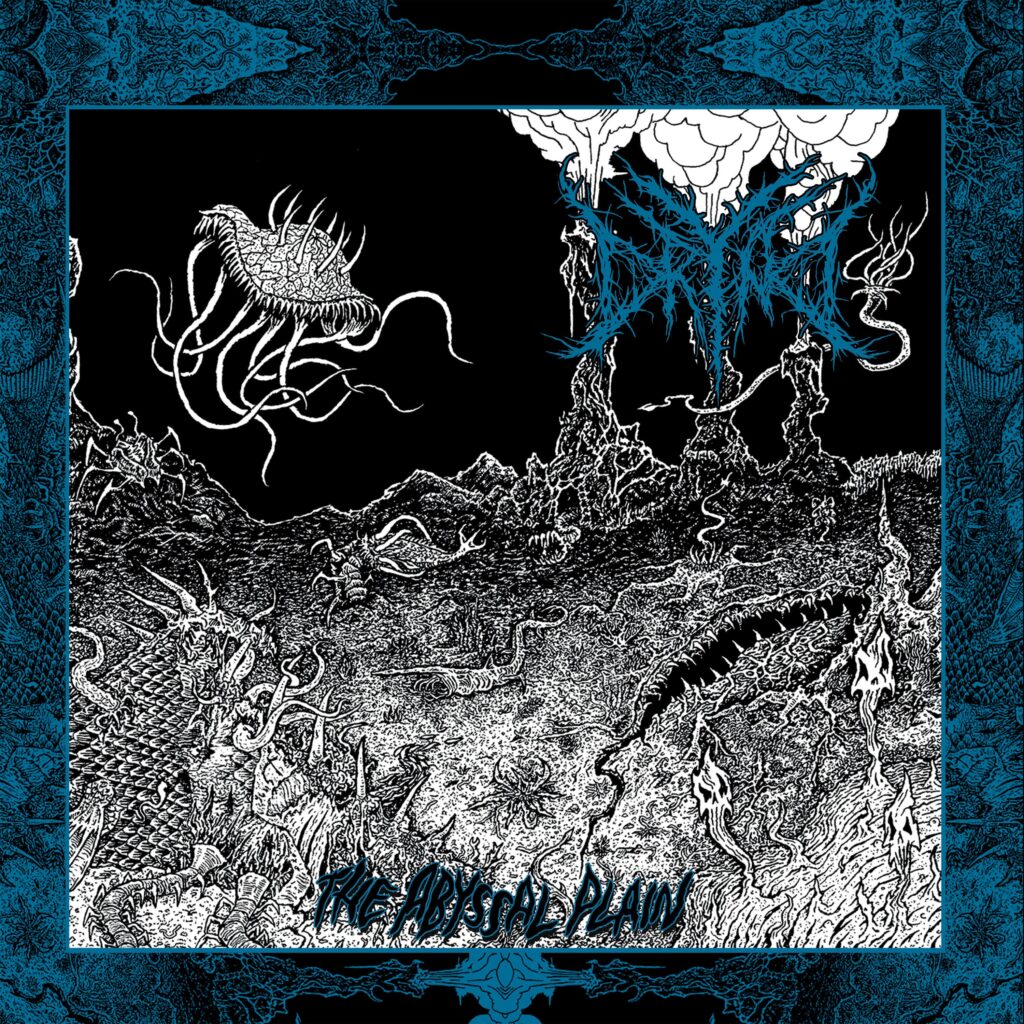
Directly inspired by the oceanic depths and how they mirror the mire of mental anguish, The Abyssal Plain draws upon the activity that lies deep bellow the sun-blessed waves of the seas. Thankfully, this isn’t a record that aims to naffly document Lovecraftian beasts or other such imaginings though. In contrary, it aims to explore the other, even more terrifying presences upon the ocean floor. The scariest inhabitants of our waters aren’t Cthulhu or his mates; it’s a drifting plastic bag and a spill of industrial bleach. This is the crux and source of rage of this record, a body of work that’s as primeval and crushing as the pressures of the bathypelagic.
Following the clean instrumental of ‘Counterillimation’, Dryad pulls one down into the oceanic trenches of The Abyssal Plain with ‘Bottomfeeder’ and the brilliantly chaotic ‘Brine Pool Aberration’. There’s absolutely no subtleness to these introductory movements; it’s just immediate and instant savagery delivered with predatory blast beats, rapid tremolo picking and a real sense of urgent rage that’s made palpable by the brilliant vocal work of Claire Nunez and guitarist Grimmtooth. Whilst both vocalist’s work easily sit within the screeched vocal framework of the genre, the difference in timbre and delivery works wonders.
As Nunez’s screeched and feral yelps battle with Grimmtooth’s more guttural and bestial lines, a profound and primeval quality to their work becomes apparent. This is specially evident in ‘Tranches’ and ‘Pompeii Worm’, two tracks that will no doubt sate both pursuits and those with a love for the modern stylings of black metal alike. ‘Loki’s Castle’, a sub-two minute lashing of pure fury towards the powers that be, further adds to this, especially with it’s powerviolence delivery and bile. These tracks carry so much power and fury it ultimately highlights and further discredits the artificial anger many traditionalist black metal bands have been implementing into their work in recent years.
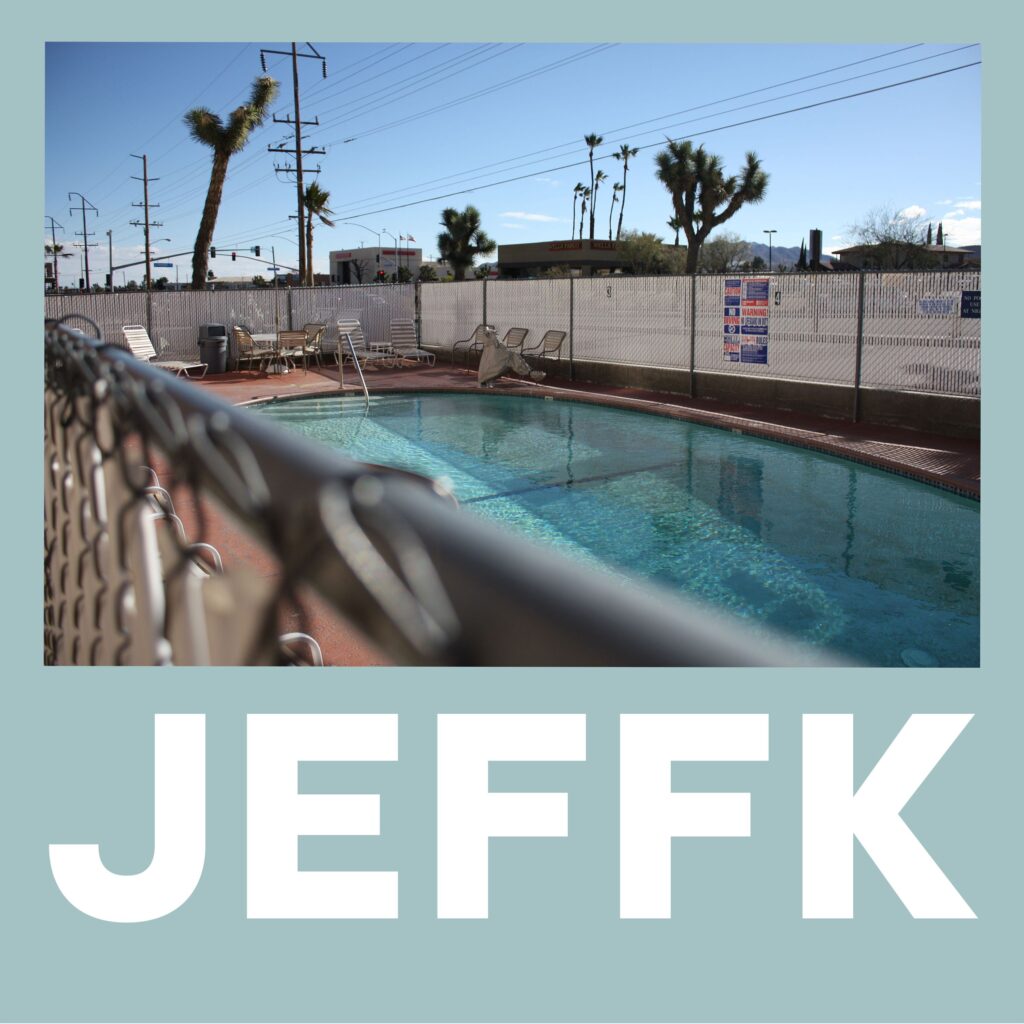
Upon reflecting on the artwork for TAR – the second release from Leipzig’s Jeffk – one may initially assume this may be a warm and welcoming record. After all, it’s a swimming pool – albeit one depleted, yes – but one beneath a glorious summer’s sky. However, upon further reflection, the cracks in this visual guise begin to emerge. The architecture is crumbling and uninviting, the vegetation present is withering; there’s not a single hint of life nor joy to be found. Dispute it’s initial suggestions, it’s an image of callousness and misery, one that perfectly yet subtly introduces this brilliantly dystopian record.
Directly inspired by mankind’s penchant of tarmacking the earth in steel and concrete, TAR is a selection of dystopian soundscapes that mirror our towering defilements of nature. Granted, addressing the topic of industrial progression and natural destruction isn’t exactly a theme unprobed in this genre. One only has to look at work from acts such as Maybeshewill and Red Sparowes to see similar sentiments. But what makes this record so brilliant is how to executes such themes. To draw parallels to the artwork again, it’s a record of subtleness and juxtaposition. Such a topic of natural degeneration is presented upfront and overtly, but with hidden and crucial detail.
Opener and lead single ‘Fingers’ wastes no time in establishing the bleak and concrete tone of the record. As clean fretwork in similarity to that of Sleepmakeswaves gets subdued by thunderous and barbed riffs on par with that of Russian Circles, the track progressively coalescences a sense of foreboding that summits with a rapturous breakdown that transparency – almost overwhelmingly – reflects the march of societal progression that this record portrays. However, the proceeding ‘Arcades’ and ‘Ratio’ is where the record begins to add subtle nuance and experimentation. Across these two tracks, grooves and loops are implemented. Whilst they’re often repressed by the post-metal riffs and general sense of direness that blankets TAR, such inclusions add variety and subtle life to this album.
Formed by frontman Dom Knight, known for his stint as guitarist of cult goth rock band The Eighties Matchbox B-Line Disaster, and drummer Luke Bujniewicz in 2020 and joined by bassist Jake Beckett, Holy Popes combine gloomy post-punk atmosphere with dirty garage rock noise. After setting the mood with album opener ‘Prelude’, a swirling mix of flutes and tinny percussive noise, Holy Popes put their best foot forward with the track ‘Seance’. With repeated, drawled lyrics, thin, fuzzed out guitar lines and a stomping bassline this track puts Knight in a spotlight, with a stoned slurring reminiscent of early Queens of the Stone Age and high pitched, angular riffs that cut through the bass and drums like an axe.
An absolute highlight of the album is the single ‘Pencils’, with its choppy, staccato guitar riff building up to a wall of sound chorus. Post-punk bands often live and die on the strength of their bassists, with the guitar usually taking the upper register the bass has far more room to shine, Holy Popes take full advantage of this, allowing ‘Beckett’ to let loose and create wide, dissonant chords in lock step with the drums, really elevating the entire album but standing out here. Pencils is one of the more lyrically interesting tracks on the album, tackling toxic masculinity and its negative effect on men delivered in a harsher tone than the rest of the album with Knight doing his best Mark Lanegan impression.

Medieval inspired neo-folk has become a heavily saturated genre and often we need to separate the wheat from the chaff when it comes to filtering out the cosplay Vikings from those with anyactual substance. Thankfully, French collective Skáld have proved that they know their onions when it comes to immersing themselves and their listeners in ancient Scandinavian culture.
Huldufólk, the collective’s third full-length album immediately drags the listener into their world. Making use of traditional Norse instruments such as the nyckelharpa, talharpa and even a hurdy-gurdy, we’re transported to far off mystical forests and mountain ranges of old on tracks ‘Troll Kalla Mik’, and the whimsical, gently uplifting ‘Då Månen Sken’.
By contrast the album also features some much more upbeat performances, further distancing the album from the usual melancholy melting pot of ambience that’s to be expected from this genre. ‘Ljósálfur’ takes its name from an elf character mentioned in Snorri Sturluson’s ‘Prose Edda’ and utilises a faster paced vocal pattern that breaks away, allowing elements of each instrument to shine through. The catchiest songs on Huldufólk come in the form of ‘Elverhøy’ with its slightly dance-pop features and a blood-pumping rendition of Gabriel Kent’s ‘Ríðum, Ríðum’, a deep cut associated with the Icelandic horse riding championships that aptly, creates a galloping percussive audio effect.


