
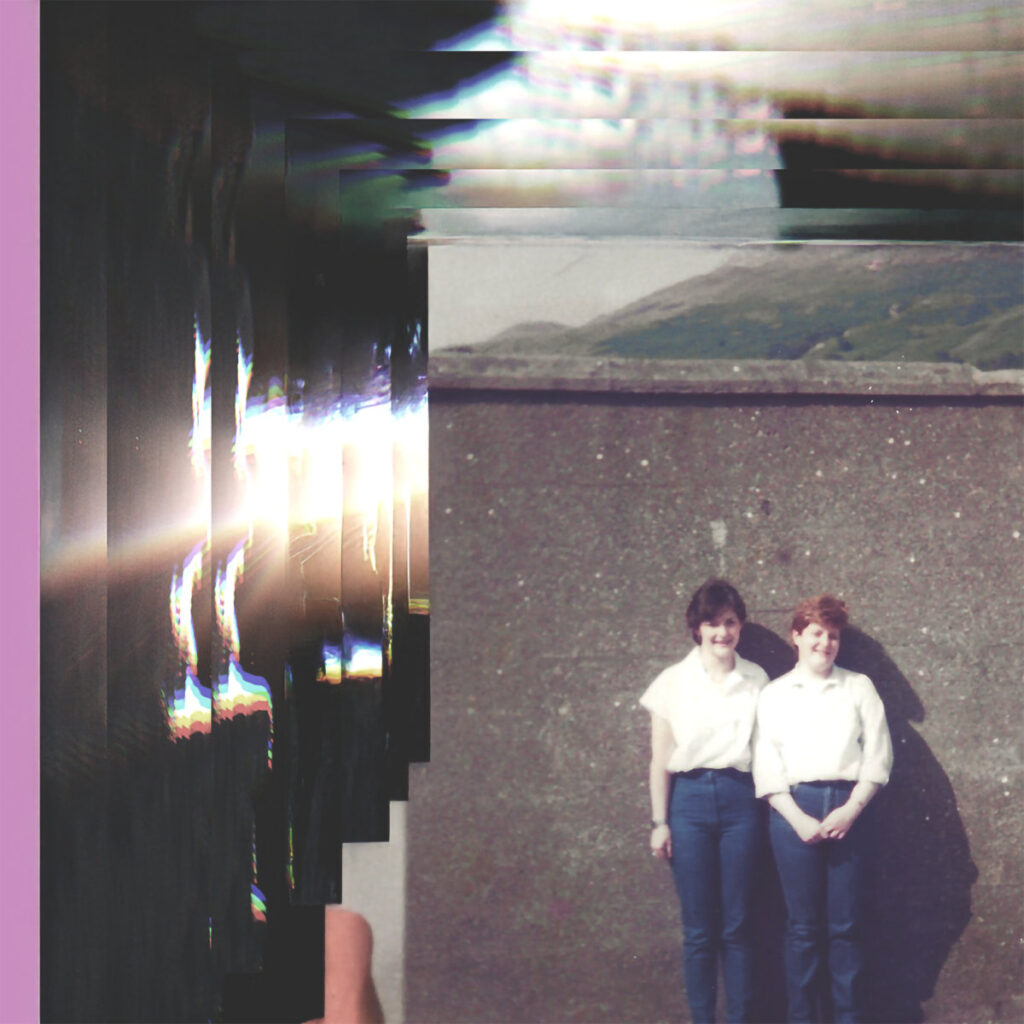
Life in this grey little country is defined by constant, breathless motion. Every second must be dedicated to grinding away in the name of capitalism or progress, often for others’ benefit. Even our downtime, once precious moments dedicated to well-being, has been incorporated into this system. Doomscrolling has become the de facto pastime of our generation, a ritual where one spends what little free time they have immersed in social media feeds where updates from loved ones are interspersed with live-streamed atrocities, algorithmic marketing and ceaseless torrents of AI slop. As a result, true stillness has become unnerving. The so-called ‘peace-and-quiet’ relished by older generations has become something to be avoided, even feared. Perish the thought of being left alone in one’s head for even a second. Truth has also become a victim; reality is now a commodity presented in fragmented posts designed to manipulate and influence. The new record from Jake Healy is a record based on all the strange juxtapositions that have resulted in this style of living.
Now, depending on your musical orientation, you may have heard the name Jake Healy from several places. On one hand, he’s known for his work in everyone’s favourite mserable bastard doomgaze band Sugar Horse. On the other, one might know him for his electronic and noise work under guises such as Twin Siblings and Grand Times. If you’ve ever found yourself hearing crumbling walls of noise, frantic turntablism and bowel-bursting bass in venues around Bristol and Cardiff, there’s a good chance you’ve encountered Healy’s solo work already. Life Splice, the second record to be released under his own name, essentially distils elements from his various musical projects into something more concise. There’s more focus on structure, digestibility and less grating noise wall. But in turn, this allows more fluidity and greater emphasis on the juxtapositions that this record explores. There are moments of childlike innocence, gilded nostalgia, urbanite grime and nocturnal ambience, all blending and contrasting wonderfully.
‘Grand Stretch’, a blissful ode to fading nostalgia, is a brilliant opener and introduction. Bound by crackling tape loops and sun-kissed ambience that harkens thoughts of those childhood summer evenings that used to last eternally, the track serves as a great contrast against the neon-lit, synth-led dreampop of the minimalist ‘Version Of’ and the initially jarring ‘The Anguish of a Mother Creates a Child in Herself’, a repetitive and mantra-like song that’s one part sparkling excitement and one part something that sounds like someone flipping through brain-rotting Instagram reels at rapid speed. This run of tracks doesn’t just mirror the constantly churning and shifting deluge of information that defines everyday life greatly, but it also highlights a key feature of this record: the ‘less is more’ approach.
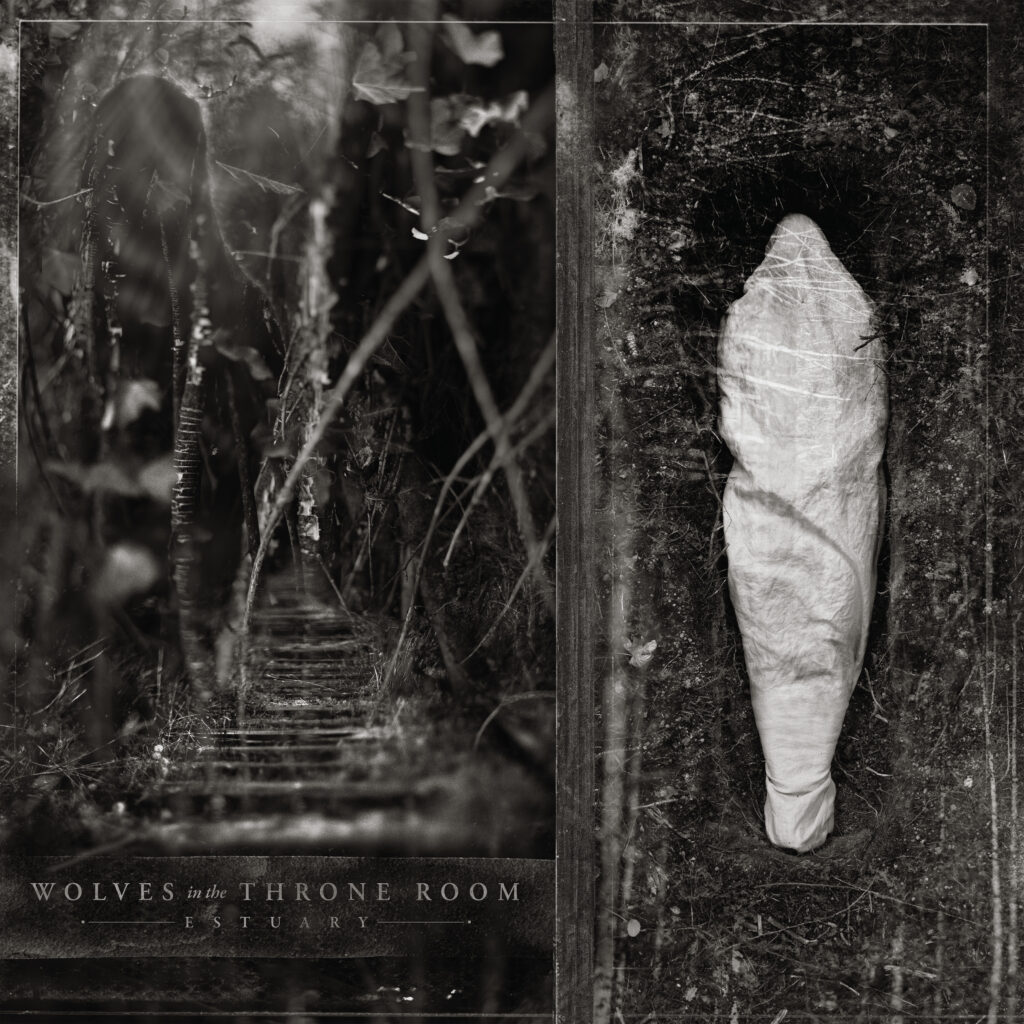
Grand, majestic, epic, words thrown around so often in the worlds of black metal, yet rarely can they be captured on the scale of what Wolves In The Throne Room have delivered on their latest release Estuary. For two decades WITTR have been plying their trade, dedicated to pushing their unique brand of atmospheric black metal, centred around nature and the mystical, combined with ambient soundscapes, as far as they can. Ultimately they have held the torch, both literally and metaphorically for the United States as a force in the black metal scene, and have grown into a monumental presence, proving it doesn’t have to be Norwegian to be good.
Estuary stands as the pinnacle of what atmospheric black metal can be, and of what WITTR have been able to do with their sound. From its very opening moments, the title track has an eerie, ambient build, a gloomy doom-filled riff, gently rising until it completely crashes down and collapses like a waterfall, cascading down a cliff face, washing over you. There’s so much going on, the rumble of the blast beats acting as a foundation for which everything else rises and soars over, the moody tension getting thicker with every second.
The earthy grimness we have come to expect from WITTR is there in full force, but there’s a starker , cold, industrial and mechanised undercurrent to the ambience, fitting the journey 1,000 years into the future, to the dystopian horrorscape of haunted ruins and hideous mutants, as described by the band themselves. This is never more prevalent than in ‘Foretold in Reflections’, the harsh manufactured cacophony juxtaposing the beautiful, but arguably more dangerous natural susurrus, slowly, always moving to reclaim the world.
It’s this contrast that makes Estuary such a fascinating listen. There is an almost constant struggle between the organic and the artificial. The cold, yet somehow warming, comforting, traditional black metal melodies of the natural world that envelop you, fighting against the lifeless, mechanical remnants of a civilisation long since dead. Yet neither feels entirely victorious. Instead they exist together, creating something both hauntingly beautiful and deeply unsettling, a world where humanity has become little more than a distant memory. We are here, but the world is no longer ours. The remains of the machines and technology we had, serving as nothing but a monument to our failure, and the complete indifference of the universe to our plight.
Content warning: this review contains sensitive information and frequent mention of sexual assault and violence against women and girls. For more resources, contact Rape Crisis, End Violence Against Women, or contact the NSVRC (US only).
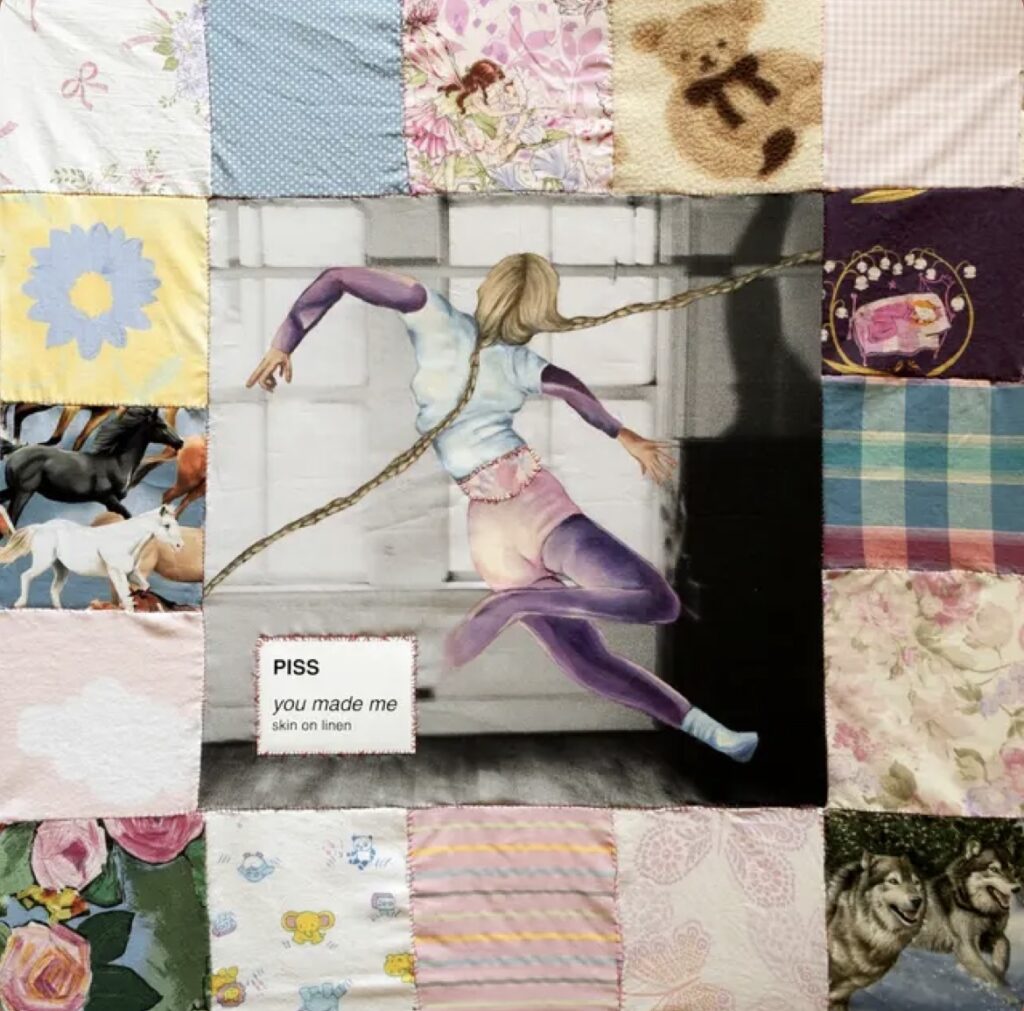
Instead of idolising Blink-182, The Ramones, and Minor Threat like many modern punks do, Vancouver quartet and art collective PISS are instead influenced by literary giants of an era past, German anarcho-feminist military groups and difficult conversations with audience members. Their work is as poetic as it is punk and their debut album you made me / skin on linen is a project that will surely be discussed in the same conversation as other important feminist works of the 21st century. The album opens with ‘kai and friends’ where young children list their future goals before a wall of feedback disrupts their innocent aspirations as PISS detonate into ‘i wanted to be a singer’, where frontwoman Taylor Zantingh makes a desperate plea to try and make her pain mean something and commands the listener to feel just an ounce of her anguish on this raw introduction. Dissonant chords and earth-shattering bass add to the chaotic wall of sound, and it’s clear from the get go that PISS stand for something seminal.
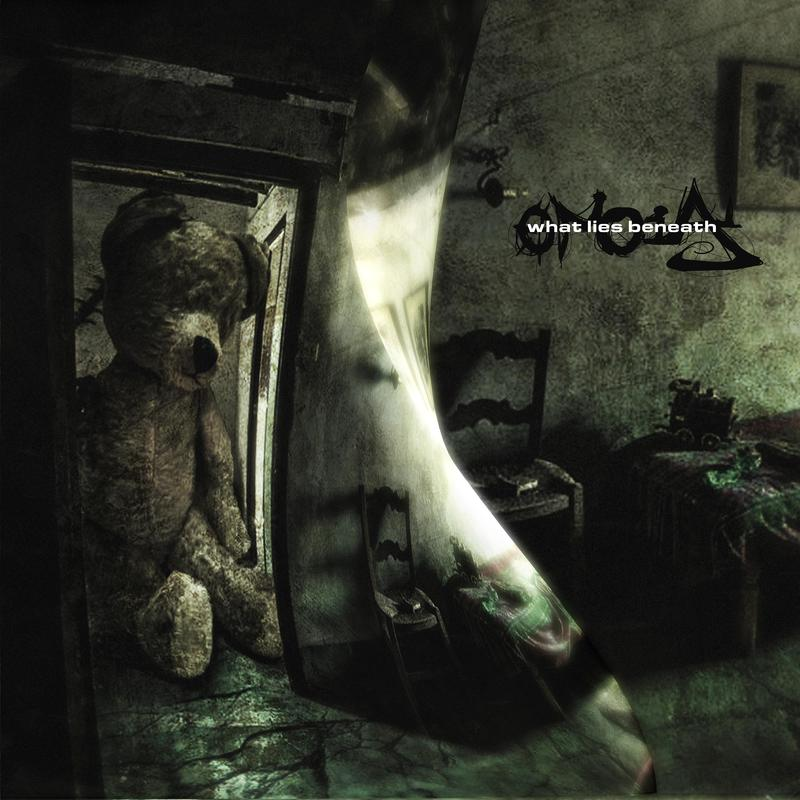
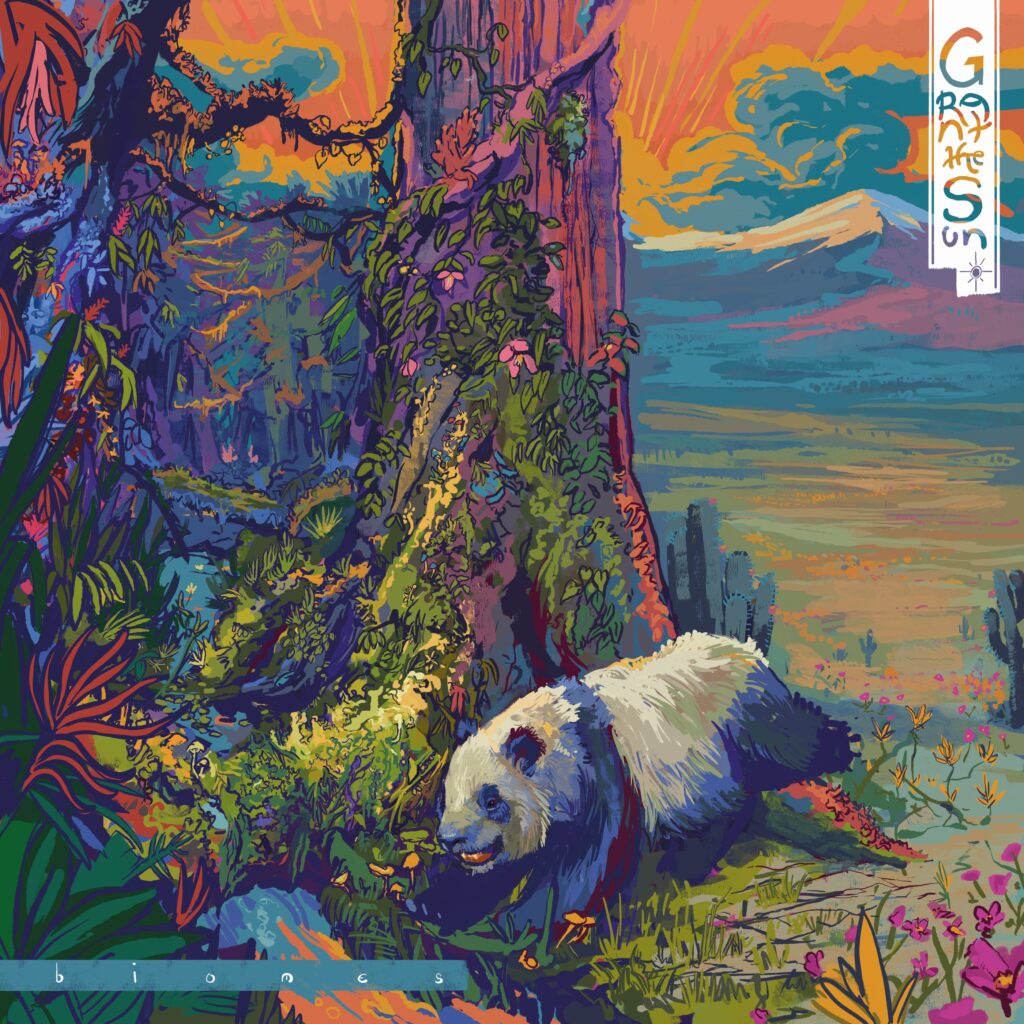
As they inject vocals into their established sound of experimentally driven progressive metal, Grant The Sun attempt to push themselves into this new musical chapter with renewed purpose. Biomes is an album full of the elements you would expect from a progressive band of their talents – extremely technical guitar riffs, shifting rhythms and atmospheric soundscapes. When combining these with their newly added in vocal melodies, Biomes is at its best; they manage to create wonderfully full metal tracks not dissimilar to bands such as Haken.
Each track manages to layer on itself beautifully, usually sticking with a driving, rhythmic riff throughout the song, as more and more wonderful layers are added on top. This allows the band to explore those crushingly powerful guitar riffs that metal fans are so fond of whilst delving into the expressive atmospheres and soundscapes that make up a lot of the duality in this album’s identity.
However, this repeating formula at times can make the tracks feel somewhat repetitive – especially when listening to the record as a whole, it can all blend together into a mass of similar sounding progressive metal that doesn’t change it up enough throughout the album to keep things fresh. Consequently, when the atmospheric vocals of Markus Lillehaug Johnsen and Martin Rygge are used, they really are appreciated – adding some needed individuality to their appropriate tracks. While this isn’t ideal, it’s certainly a good sign of things to come, as the most engaging sections of the album are the band’s most recent additions to their continuously growing sound.
The phrase “how do you do, fellow kids?” is usually tied with a photo of Steve Buscemi on 30 Rock, wearing a backwards cap and holding a skateboard. The joke is that he’s middle aged and out of touch, yet somehow Gen Z guitar icons Polyphia feel like they’re getting to that point well before they should be. Be Not Afraid feels like an attempt to grapple with modern popular genres, mainly TikTok phonk/modern digicore, but with virtuosic guitar lines over the top. There are flashes of obvious influence from other electronic artists, but never genres. There seems to be a contentedness to not be curious and to not understand what makes the genres they are pulling from work.
The production is the most interesting part, and even then it’s burdened by the need for guitars to be there. None of the guitar parts are even that interesting; there aren’t going to be a host of covers of songs like ‘The Goat’ and ‘Playing God’ from previous albums. An exception to this is ‘They Know Not What They Want’. The guitars do something interesting, and even then any semblance of artistic merit outside of flexing is missing.
There’s no real care for where they’re taking influence from, minus aesthetic appeal. Everything exists without reference, without influence, and without understanding why things work. Polyphia are taking influence from genres and scenes that thrive on singles, and stretching it to an album with no particular thought to why that might provide different challenges. The first single ‘Can You Feel It’ is still the stand out from the album, but it’s a single. It’s the bare minimum you would want to debut a new sound for a new era. The ravey chords alongside the heavy bass make it almost feel like something you might hear someone play in a DJ set, which is the original function of all the music they’re trying to rip. Unlike the rest of the album, it has replay value. ‘Deny the Flesh’ and ‘Devil Get Behind Me’ hav scant moments that were danceable, but there seems to be a fear of leaning into that. They still had to be Polyphia, they still had to have guitars there, even if they were unnecessary.


