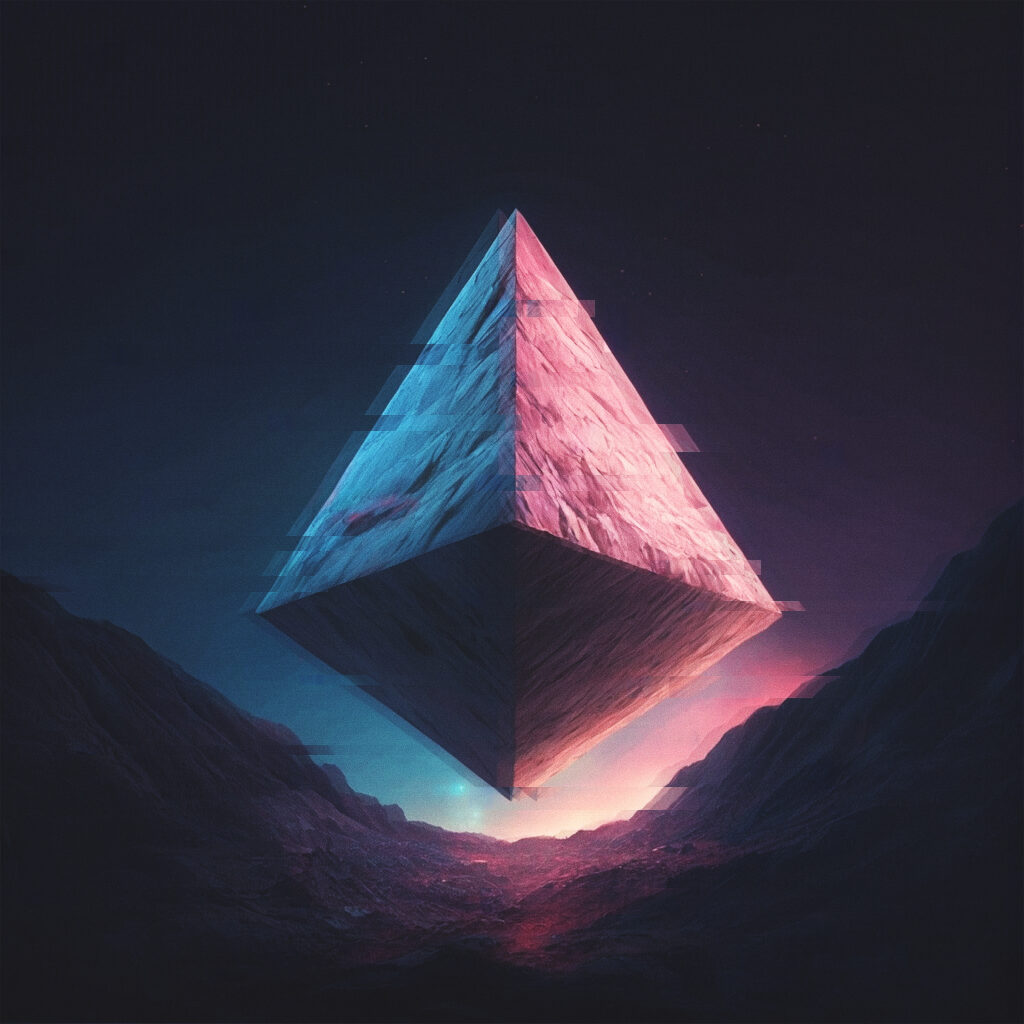
Merseyside maestros Kusanagi have nestled into the consciousness of the UK’s post-rock underground for a number of years having appeared at genres most sacred congregations which has given them the rightfully earned confidence to invite us on this conceptual expedition through the medium of expertly crafted progressive post-rock. The albums concept of the planes between dream and reality are well suited and expertly realised through the Kusanagi core sound where imagination runs rampant into outer space in similar fashion to 65daysofstatic and their contribution to the world building of video game No Mans Sky.
Opening track ‘Night Symmetry’ feels like the grandiose launch of a vessel setting off for grand exploration as the emphatic drums builds with the introduction of sparkling guitars begin to build like an orchestra as Paramnesia comes to life and we leave our atmosphere to explore new pockets of human subconsciousness. Beautiful scaling guitars on ‘Polymorph’ are light and energetic, drops in pace are intriguing and crescendos are satisfying in ways which make bands like Din of Celestial Birds such addictive listening. The interplay between all instrumentals is spacious but not empty, hopping along with excitement to prevent any passage feeling hollow.
Since February, the band best known as a covers act decided to release one song each week with its own music video, and create a countdown until the official release of Left Alone on May 8th. This eponymous track has been the first single they launched out, and that is what Our Last Night does best: metalcore mixed with pop vibes, vibrant choirs and a spark of heaviness. If you have been familiar with the band along the years, it is their vibrant signature and we all roll with it. They caught us with catchy choruses that move us straight to our hearts. It is something recognizable in tracks like ‘Tidal Wave’ or ‘Strange Animals’.
The Wentworth’s brothers vocals (Trevor, singer, and Matt, vocals and guitar) get along perfectly on smooth notes that ride with the screams. It sounds like an old friend that they brought back for their new music. Something really Our Last Night-ish. Through their lyrics, they always know how to ease people. It is however a comfort zone that they never seem to break, which leads to an evergoing ‘already-heard’ cycle. ‘Scared To Die’ appears to follow the comfort road on a mix of a ballad and screams. In a strange way, the sentence ‘I’m not afraid of death but I’m scared to die’ seems like a beautiful lullaby one could sing. This record is all about the melancholy and nostalgia that embrace it, though, it is lacking some sparks of change and shift of energies. Enough talk about the music, let’s now focus on the journey that the music videos brought us.
Fast forward four years and we’re seeing more bands either copying this format or going back to the roots of the genre. Thus Spoke Zarathustra are in the latter option. Taking their inspiration from the MySpace era of deathcore while enveloping the more modern sound, the band provide a bridge between the then and now, something they showcase brilliantly here.
Thus we have sophomore effort I’m Done With Self Care, It’s Time For Others’ Harm. We told you it’s going back to the MySpace era. Full sentences as album titles and songs are aplenty here. But when you get into the meat of the album, you’ll be pleasantly surprised, and hit with a barrage of pain. Opener ‘GGO’s’ spiralling wall of harsh noise backed with a triple guitar assault as vocalist and primary songwriter Andy Reynold’s violent vocals provide a welcoming introduction to the following 29 minutes of pure anarchy.
We’re spoiled for choice when it comes to impressively noisy two-piece bands showing that all you need is drums, guitar and some pedals to make as much noise as bands with three times the members. We’ve had the sadly missed Ghosts of Men, the chart-storming Royal Blood, the amazingly incoherent Lightning Bolt, and darlings of the ArcTanGent Bicurious to name but a small handful. Now it’s time for House of Protection to carve out their own slice of this specific niche.
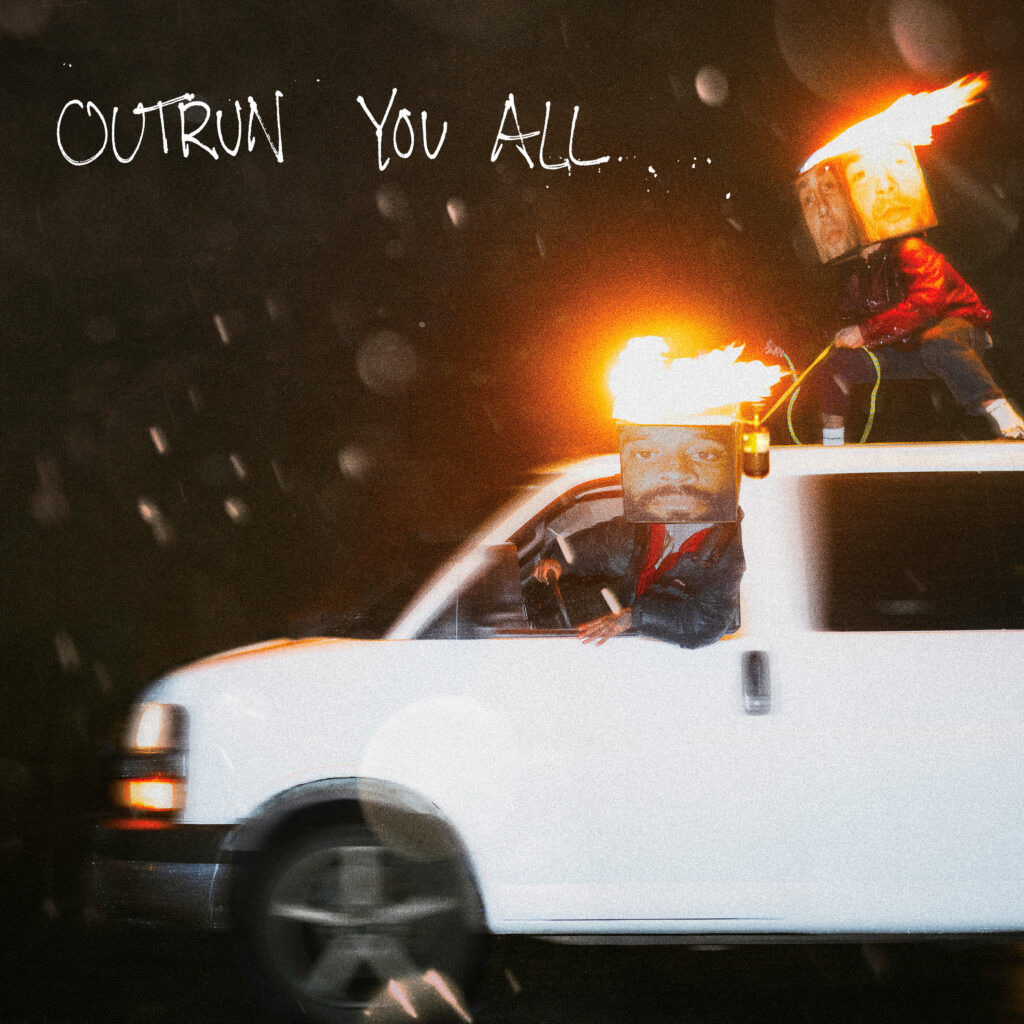
Following on from debut EP Galore, Stephen Harrison and Aric Improta’s new venture House of Protection are out to put their own unique stamp on the music scene but after a strong start their follow-up EP doesn’t quite stick the landing. To be blunt, Outrun You All lacks the teeth of Galore, and anyone coming in expecting more of the same upbeat, fast-tempo metal in the vein of ‘Pulling Teeth’ or ‘Learn to Forget’ are going to find that this offering leans far more towards the ‘Better Off’ end of things.
Instrumental post is one of those genres that is easy enough to do decently, difficult to do really well, and almost impossible to do in an iconic, groundbreaking fashion; everything that makes the genre what it is, is so easily identifiable that while there is nuance to the genre, a lot of it tends to come from ultra-specific theming, and/or cross-pollination with other genres. There’s a reason why there’s a post version of so many metal genres – the hallmarks of post can be added into pretty much anything to create a new crossover genre, in much the same way that you can add some scuzzy, lo-fi riffs and cold, brittle atmospherics to pretty much anything and get a blackened sub-genre.
To be clear, this is in no way a criticism – far from it. There are very few genres in metal, or anywhere else, that are as easy to identify and experiment with as post. It also makes for an interesting duality when you’re a fan of such things: there’s always a new strange fusion experiment or bizarre genre mashup to get your teeth into when you’re in the mood. Then, when you’re not, there’s plenty of excellent regular, straight post, that does all the things you expect, maybe throws a few unexpected flourishes in there to keep you on your toes, but otherwise functions a little like an aural comfort blanket. The very best of this second variety work on multiple levels: they can be wrenchingly evocative, atmospheric music to zone out to, they can be an emotional journey through the dizzying highs and lows of the human soul, or they can simply be a beautiful album taken at face value.

Emerging at the dawn of the 21st century to critical acclaim with the release of their debut album Australasia on Aaron Turner’s Hydra Head label, the band toured extensively with the likes of Cave In and Mono, establishing themselves at the forefront of a scene that was in its relative infancy. Finding that their creative process left little room for vocals, the band let their instruments do the talking and the messages were captivating.
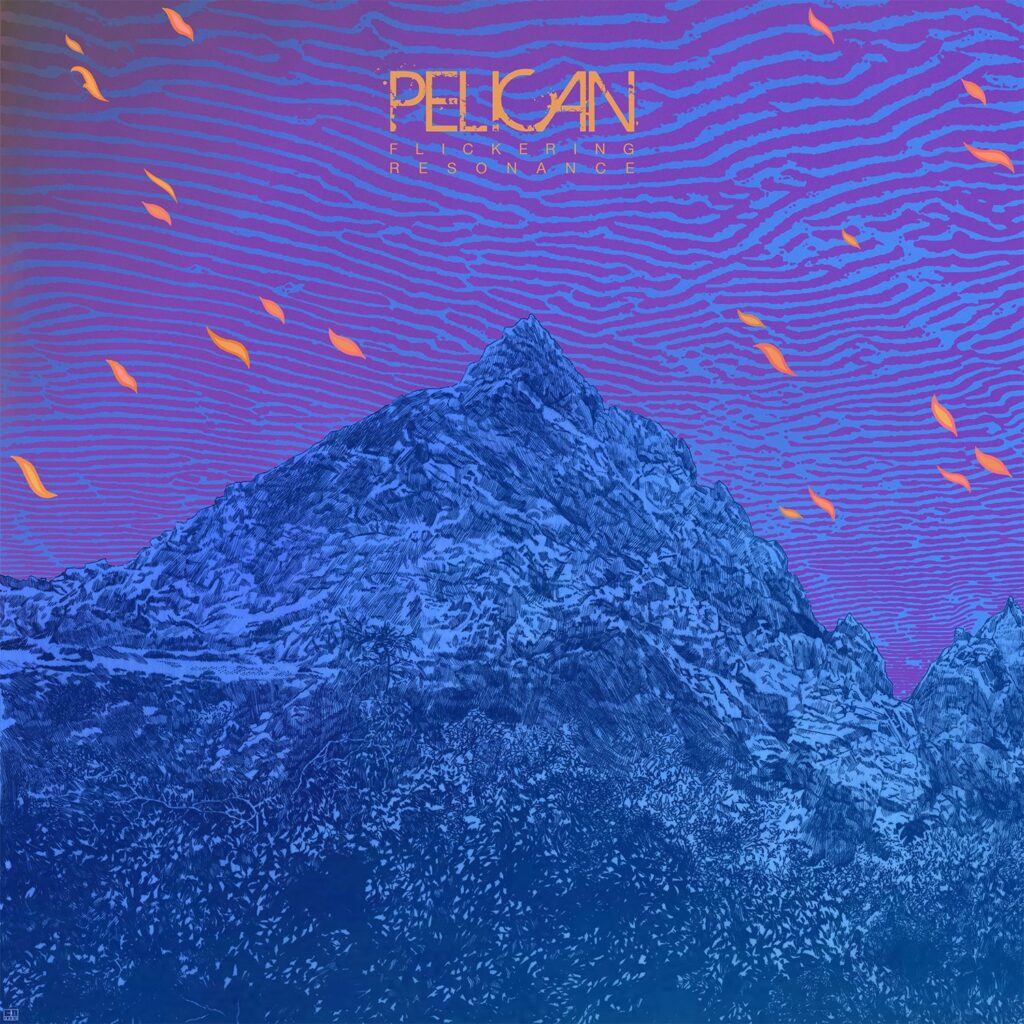
Flickering Resonance arrives six long years after Pelican’s last outing Nighttime Stories and sees the band reuniting with founding guitarist Laurent Schroeder-Lebec who amicably departed the fold more than a decade back. The backbone of the band’s sound is the thundering bass and drums of brothers Bryan and Larry Herweg, with the quartet completed by guitarist Trevor de Brauw. The interplay between these four tightly bonded individuals is what drew so many to the band way back when, and to take absolutely nothing away from the laudable contributions of erstwhile guitarist Dallas Thomas, it’s a thrill to have the original lineup together once again.
The title of album opener ‘Gulch’ is either a reference to the short-lived California hardcore band or simply the name for a steep sided ravine forged by a fast-moving stream, and given the range of influences that fuel the members of Pelican, both are entirely plausible. Schroeder-Lebec has spoken of the richness inherent in attending mixed bill shows during formative years coming up in Chicago, and as the track’s fanfare-like opening swallow-dives into a gloriously chunky, doomy riff, the genre-spanning promise of what is to come is palpable. Follow-up ‘Evergreen’ delivers on this promise: it’s uplifting and contemplative with patterns and motifs that evoke daydreams of exploration into expanses of open space.