Hailing from the vast and expansive province of Alberta, Canada, and influenced by the metalcore bands like 7 Angels 7 Plagues and the Y2K era of horror video games, Serration have exploded onto the scene over the last few years with a barrage of discordant, chaotic passages and bludgeoning riffs. Now, following on from three crushing EPs, the Canadian quintet return with a crushing new album Simulations Of Hell, which is a raging introspective record that tackles a plethora of subjects ranging from brainwashing to worshiping materialistic items to feelings of guilt. Through the bombardment of ballistic riffs and fevered screaming, Serration certainly make you think about the world around you.
Across the eight intense, insane and ruthlessly expressive tracks Serration begin to stamp their authority in the worlds of hardcore and metalcore. With songs featuring the likes of Emma Boster of Dying Wish (‘A Suicide Note in Midi Format’) and David Blom of Sanction (‘Altar of Guilt’) aren’t pulling any punches with this album. First and foremost Simulations Of Hell is a chaotic, ruthless and barbaric sounding album, interspersed with 2000s sounds which create a strangely nostalgic yet tense, thriller movie atmosphere.
Following on from their split EP with Dying Wish and their compilation album Shrine of Consciousness, you can hear the progression in Serration’s sound. Altogether it sounds more punishing, with everything sounding more cohesive Serration deliver an incredibly tight performance. The album also shows Serration’s more atmospheric side, as the sombre, eerie interlude tracks ‘Dried Flowers Bathed In Tears’ and ‘Of The Shapes Of Humans and Hearts’ offer brief respite from the hardcore chaos but still keep you on edge.

Fast forward 4 years and we get the first taste of new Baroness since 2019’s Gold & Grey through Last Word, which is also the albums main opening track, after Embers’ acoustic lullaby with Gina Gleason & John Baizley both singing to bring you into a false since of security. As it fades out, you’re hit with the powerful percussion from drummer Sebastian Thomson before the band explode into Last Word with Gleason & Baizley tearing you in half with a riff that savages through the song. Baroness love to keep you on your toes however, so it’s not exactly an odd moment when the hulking riffs disappear for a moment between the harmonic chorus and verses.
Baroness have always been a band that tries their best not to repeat themselves both on an album and between releases, and on Stone, they’ve achieved exactly that. Last Word is a groove laden act while Choir speaks more from their prog upbringing. Baizley’s vocals are ever changing through the album. Beneath the Rose, while being a sludgy & proggy masterpiece, has his vocals stripped down to more of a spoken word with a tinge on melody that teeters on the edge of singing. Behind the chugging guitars and frantic drumming, he then shifts to his signature singing style and soars before coming back down – and that’s not the only surprise they have in store.
Each song has its own treatment and style which was brought upon by isolation and helped the band explore more experimental territory. While recording the album, the band built more of a DIY approach to the album, by actually building a recording studio in the house they were staying in together to originally share their ideas and get a base formula ready. But Baroness being Baroness, they recorded and pre-mixed the instruments while at the rental, before moving the recording of the vocals elsewhere, giving the album a more back to basics feel.

It’s been five long years since TesseracT released their last studio album Sonder in 2018, and although the band has remained active throughout this time – releasing jaw-dropping live album Portals – fans have been eager for more. Previously mentioned album Sonder had a run time of just 36 minutes, which could be seen as lackluster in a genre that regularly puts out releases that are better timed with a calendar than a stopwatch. However, the band has clearly used the time since to the fullest.
War of Being is over an hour of exceptionally well-written heavy prog metal, with all the hallmarks of the band’s signature sound. Yes, when the dreamy clean guitars dance around the ears and the smooth slap bass slides in, it’s unmistakably TesseracT. But there’s something in the water here – something new. Something extremely exciting. Seconds after the play button is pressed, a slowly rising flurry of drum hits approaches, paired with a quiet preview of the coming guitar riff. Drummer Jay Postones lets you know he’s ready to begin his educational experience in rhythm with a drum fill, before ‘Natural Disaster’ explodes into a whiplash-inducing groove scarcely felt since 2011’s One.
From the get-go, the band let you know this album won’t be anywhere near as straight forward or by the numbers as you may have thought it to be. Before it has even reached the two-minute mark, there have already been 3 main rhythms or grooves, each as tasty as the last, with vocalist Dan Tompkins incredible vocal acrobatics proving as formidable as any cranked amp or miked-up kit. Fans of the band’s early work will be absolutely delighted with War of Being, as the band dives head first into the depths of heaviness, with a liberal usage of eye-popping screams and an unapologetic approach to riffage. Like tasting your favourite dinner from childhood again, by the time second song ‘Echoes’ starts, you remember all too well why TesseracT are still king.
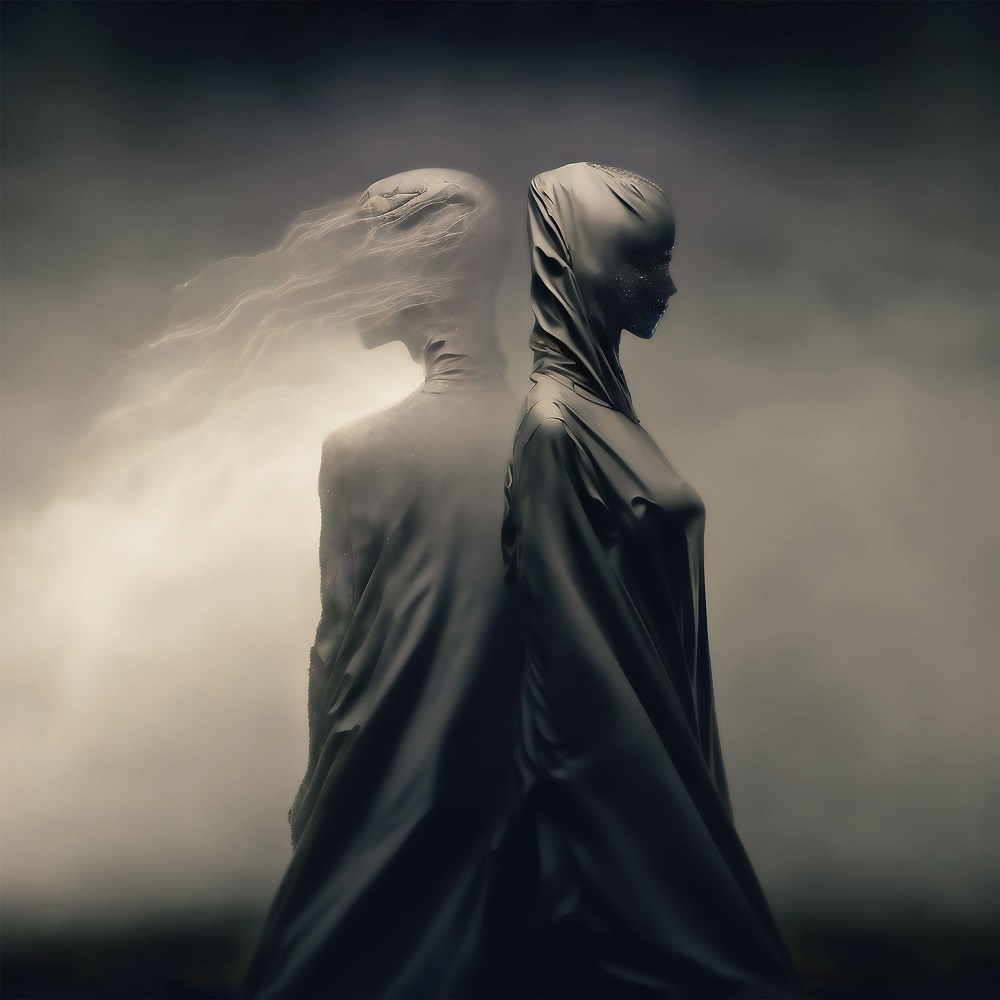
Abscission refers to the natural detachment of a part of a plant, like shedding its leaves or dropping ripe fruit as the seasons change from autumn to winter. Behind those dropped leaves and the realised catharsis of death there is new growth waiting to happen, a necessary removal of the old in order to proceed anew and forge forward in times of strife. Torpor take this idea and spread it across a vast textural sludge ridden landscape, using doom, post-rock, and ambient elements along the way; they surge toward the springtime, whilst documenting the dormant nature of autumn and winter, just like the plants and trees that surround us.
We’ve been spinning Rhetoric of the Image for a few years now, eagerly awaiting the return of Torpor to cure our itch for more crushing atmospheric sludge that pounds us into oblivion and we finally have it in the form of Abscission. The Bristol 3-piece have recorded another granitine slab of music, this time over 5 days at Giant Wafer studios in the secluded Welsh countryside, a location which has definitely had an effect on the outcome of the latest record.
No where on this record is there a heavier example of what Torpor bring to the table than the track ‘Accidie’ characterised by it’s dragging, hammering doom riffs, the track reflects its name as it ponderously lurches towards it’s partner track ‘Carbon’, replete with screaming pain and harrowing feedback. These two tracks seem to reflect the nature of the record as a whole, whilst one trogs it’s way through our brain, allowing us to contemplate the darker side of nature, the latter allows for a release of the pent up frustration that is built during the former.

You could be forgiven for thinking that Race the Night is a comeback album, a triumphant return, the sleeping giant arisen once more, but nope. Ash never went away – they’ve been around since 1992 and 26 years later they’re back with another full length. So is it any good? Let’s take it for a spin. That cover art seems like a pretty transparent attempt to appeal to nostalgia. Hold on. Did you feel that? Something’s not right…. We take a staggering step, like we’re using our legs for the first time. This feels…. strangely familiar. Did we…. just travel through time? Race the Night plays in the background. Oh no. Not like this.
We’ve discovered the secret that the greatest minds have been working to unravel for decades. We’ve gone back in time, to experience days gone by once more. But of all the places to end up, why oh why did it have to be sitting in front of our Freeview box in the early 2000s, parked in front of an endless array of music TV channels that are all playing what was very generously termed “Alternative Rock”.
Usual Places bleeds into Reward in Mind and you’d swear you just saw Feeder drive past in a Renault Megane. It’s all so authentically dated that there’s even a ballad – fourth track Oslo at least has the good grace to treat us to a guest appearance by Démira, but even her voice can’t save the embarrassingly clumsy refrain of “Shall we become lovers?” or disguise the bland, formulaic pop-rock recipe book that Ash are working from.

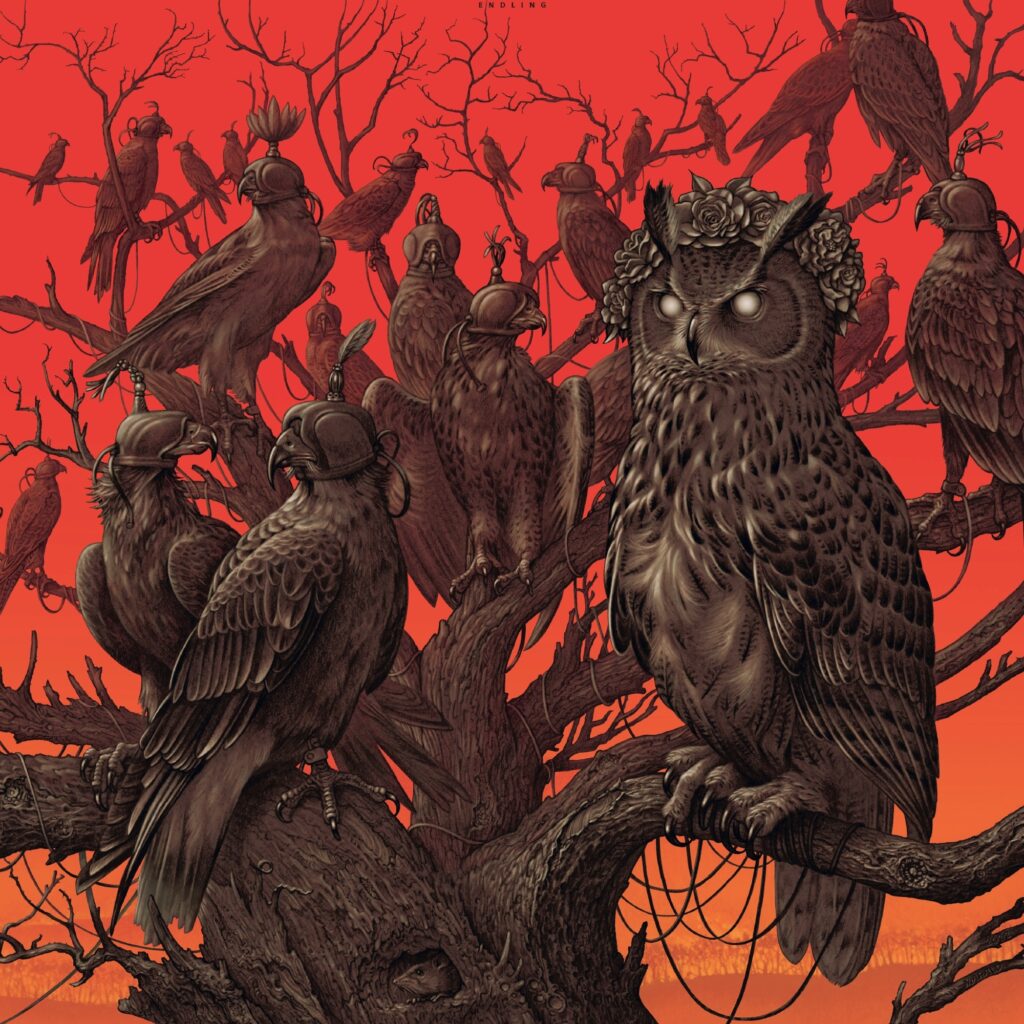
We’re now well over a decade removed from Kvelertak’s legendary self-titled debut album that saw the Norwegian sextet rocket to the forefront of the underground. With their unique blend of black metal infused rock-n-roll with an aggressive punk attitude, they garnered fans across the globe thanks to opening for bands like Metallica, Iron Maiden, Slayer and Mastodon. After the critical success of 2020’s Splid, Kvelertak have pushed forward following a similar path to stand on their own two feet amongst the heavyweights of metal and Endling is yet another confident step forwards towards that goal.
Opening the album with lead single ‘Krøterveg Te Helvete’ kicks things off in a suitable fashion, the album version of the track has an extended three minute intro, building tension before the levy finally breaks and the riffs spill forth at a rabid pace. Second track ‘Fedrekult’ leans a bit closer to the black metal fury bubbling under the surface, with multi-layered tremolo guitar parts, violent blast beats and drum fills with a howling and in your face vocal delivery. ‘Likvoke’ has a bit more of punk pace on it and opens with one hel of an ear-worm riff, delving back towards the bands signature sound of punk infused, blackened rock-n-roll danger, swinging wildly and with a tasty guitar solo to boot.
Quite a few moments across the album have the energy of Norwegian punk icons Turbonegro coursing through its veins, punk rock and roll energy with a lot cleaner spoken word vocals blended between the more aggressive moments. Tracks such as ‘Motsols’ and ‘Paranoia 297’ feel like they tip their hat to the Turbojegend style whilst obviously still being pure Kvelertak at heart. ‘Døgeniktens Kvad’ is one of the best tracks on the album, starting with the unbridled intensity of tremolo guitars and blast beats before breaking into an unreasonably catchy banjo led riff and exploding into the song proper. The track doesn’t let up across its six minute run time, even regularly shifting and returning back to the opening banjo riff, even at times throwing in what sounds like a theremin into the background of the soundscape.