In the current race between genres post-hardcore is definitely on the rise. Ever since its origins began to shape it as a genre in its own right, there have been a steady stream of projects coming out of the proverbial woodwork. Every so often one of these bands creates something truly special and leaves a lasting impact on their scene, with the acts that form after seeking to pay homage.
On their debut EP Far From Home, Seek Harbour showcase a wide range of influences across four unique tracks. Three of these already out in the world as independent singles, ‘Dagger Like Eyes’ sets the pace as the opening number. An emotive choice with a deeply woven narrative, the clean vocals are notably a strong flavor – and no doubt a lot of listeners will be on two sides of a very tall fence. However the harsh growls and screams sit well in the mix throughout, with well executed delivery across all four tracks. Whilst the record’s lyrical content is heavy in texture, the vocal delivery on top of the instrumentals delivers a distinct positive notion. Wolves’ is a brilliant example of this, where soaring choruses pack a real ‘feel good’ factor. The EP as a whole contains its melancholy moments for sure, but Seek Harbour have definitely established a solid balance.
After an overhaul of their sound with vocalist/guitarist Debbie Gough joining their ranks, Heriot introduced themselves to an unsuspecting world with the blistering non-EP singles ‘Dispirit’, ‘Recreant’ and ‘Cleansed Existence’ alongside their absurdly heavy cover of Machine Head’s ‘Ten Ton Hammer’. By turning heads with crushingly unforgiving sounds and gathering significant momentum by releasing music regularly, Heriot are a band on everyone’s lips, making their debut EP Profound Mortality highly anticipated by the masses across the metal scene.
Combining the electronic elements of the new wave of metallic hardcore pioneered by Code Orange with the brutal and discordant hardcore mastered by Knocked Loose, it is fair to say Heriot are not a band for the faint of heart. Profound Mortality is a swift and devastating assault on your mind and body, having no qualms in dispatching you in an efficient manner. Focusing on the more toxic aspects of human behaviour, like greed, corruption, betrayal and the class divide, the very visceral nature of this EP reflects on the anger and frustration that we are all feeling at this current moment in time. Despite all this unrelenting rage, there is a sophisticated and haunting electronic aspect that moves and evolves underneath the chaos. As a result, the industrial sounds create an intense, eerie atmosphere with Gough’s plaintive vocals sending chills up your spine.
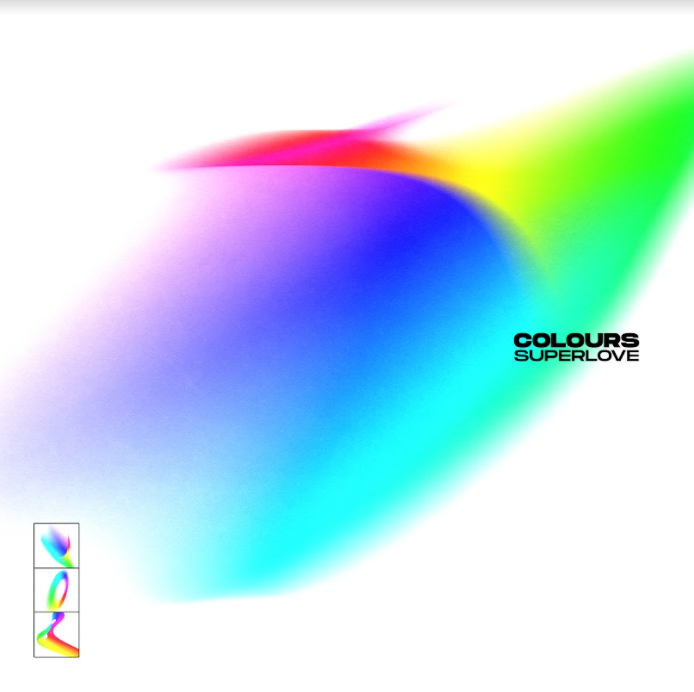
Their latest endeavour is an exemplary maximalist attack on long-standing genre bounds, which effortlessly splices together a celebratory soundscape basking in the immersion of otherworldly Matrix-esque ‘backdoor’ charm. Although at its core, Colours ventures into rather emotionally onerous territory, such as the ever burdening hyper-sphere of social media influence, the disillusionment of platonic and romantic relationships, as well as an assumed pandemic informed viewpoint of mental suffering; the unmistakably rosy overtones taking charge over the albums infectious vibes, breathes life to an engaging juxtaposition that strangely evokes a sense of contentment, which we believe vaguely parallels the emotional response to millennial dark/self-deprecating humour.
With such an onslaught of masterful fusion blends that easily penetrate the senses, we can’t help but be mesmerised by a few wonderfully crafted inclusions that seem to momentarily eclipse the many unskippable musical feats of this delightfully striking LP; such remarkable tracks include ‘Save Yourselves’, ‘Baby Bird’, ‘The People You’ll Love Forever’ as well as the albums peak of astounding enjoyment ‘wanna luv u’.
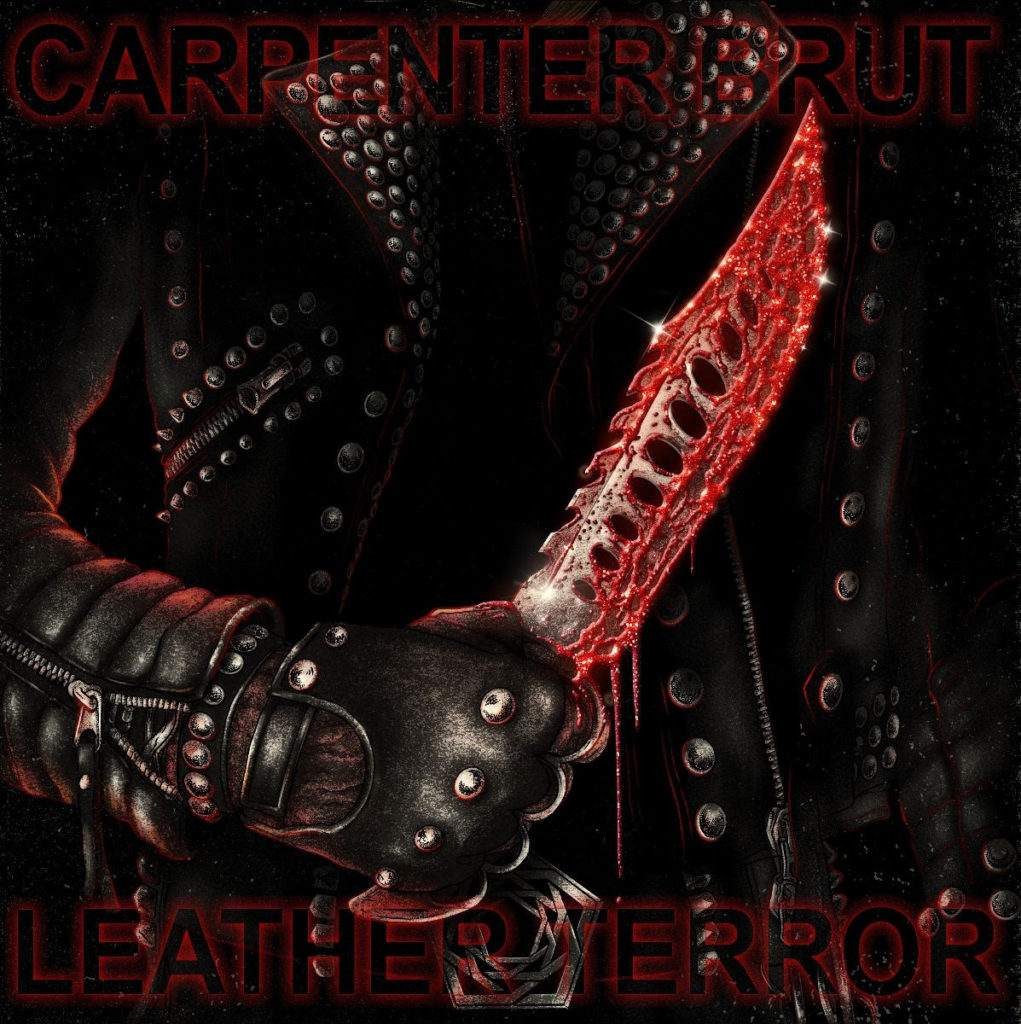
To say the French synthwave crossover artist has somewhat of an established aesthetic would be a touch of an understatement. Pretty much from the inception, Carpenter Brut – the musical project of Franck Hueso – has built a career of romanticising the excess, glamour and filth of outsider 80’s pop culture, with references to sleazy glam metal, slasher horror and everything that made the time period fun being rife within his work, both live and on record.
In 2018, this aesthetic was compressed into Leather Teeth, the first chapter of a trilogy that lovingly fetishised the classic and absurd slasher cliches of old. In the story, a shy and clumsy teen tried to win over his cheerleader crush in a science experiment gone wrong, and a result, became the titular Leather Teeth, the mutated frontman of MTV glam rock sensations Leather Patrol. Then, totally understandably, he turned to serial murder to exact vengeance on all those who wronged him. Where the first instalment of the Leather saga focused on the glitzy excess of classic rock and roll stereotypes, this new chapter Leather Terror details and delivers the latter part of the tale – revenge, violence and nonstop murder
Despite being a rather marmite-like record for some fans, the way in which it ferociously asserted itself into the mainstream, it truly changed the scene. Hoping to continue with this momentum, the Brighton collective are now releasing the recording of their livestream performance of the album in full which took place at Abbey Road Studios in December 2021, featuring the Parallax Orchestra. Lead by BASCA-winning composer, conductor and arranger Simon Dobson, he created this score to highlight the moments where Architects had turned to production, and instead enhanced it on a brand-new level while proving that there’s no route the band are unwilling to explore. For Those That Wish To Exist At Abbey Road certainly has the potential to win over those who weren’t convinced beforehand, even if it’s just by mentioning that this is also the same orchestra who performed with Bring Me The Horizon at the Royal Albert Hall six years ago…
Throughout the original album, Architects relied on production to mirror string-like sounds, so this addition seems very natural on the surface, and prior to listening one wouldn’t be blamed for assuming there would be no real difference. However, the full impact of the orchestra also features brass and percussion to invigorate the overall sound, as well as many sections having been rewritten to be completely original. The most obvious track to reference here is the opener ‘Do You Dream of Armageddon?’, whereby this version is purely instrumental. Beginning with gentle piano then a range of violins and cellos, it’s a magical introduction to the performance. The booming hum of the timpani and lower brass instruments give Architects the extra vigour we never knew they needed before. Collectively, it takes one’s mind to the most emotive and powerful film scene they can imagine; the death of a main character in battle, a widow avenging their lover, a mother sacrificing herself to save her child… This short track alone is a prime example of how impactful instrumentation can be without lyrics, and will leave you holding your breath in anticipation for the next powerful piece.
Quite famously Abbath (the man, not the band) has never taken himself too seriously unlike many of his black metal peers, something that’s often allowed his musical projects that extra bit of accessibility, but surely there comes a point where tongue in cheek edges dangerously close to becoming self-parody.
Dread Reaver is the third album to be released under the Abbath moniker since his departure from Immortal in 2015 and it’s almost a farcry from anything that’s come before it. According to the band, the goal was to create a record that sat at a crossroads between four of Abbath’s heroes, Kiss, Mötorhead, Manowar and Bathory and although the album achieves this to a degree, it’s sadly more pastiche than it is homage.