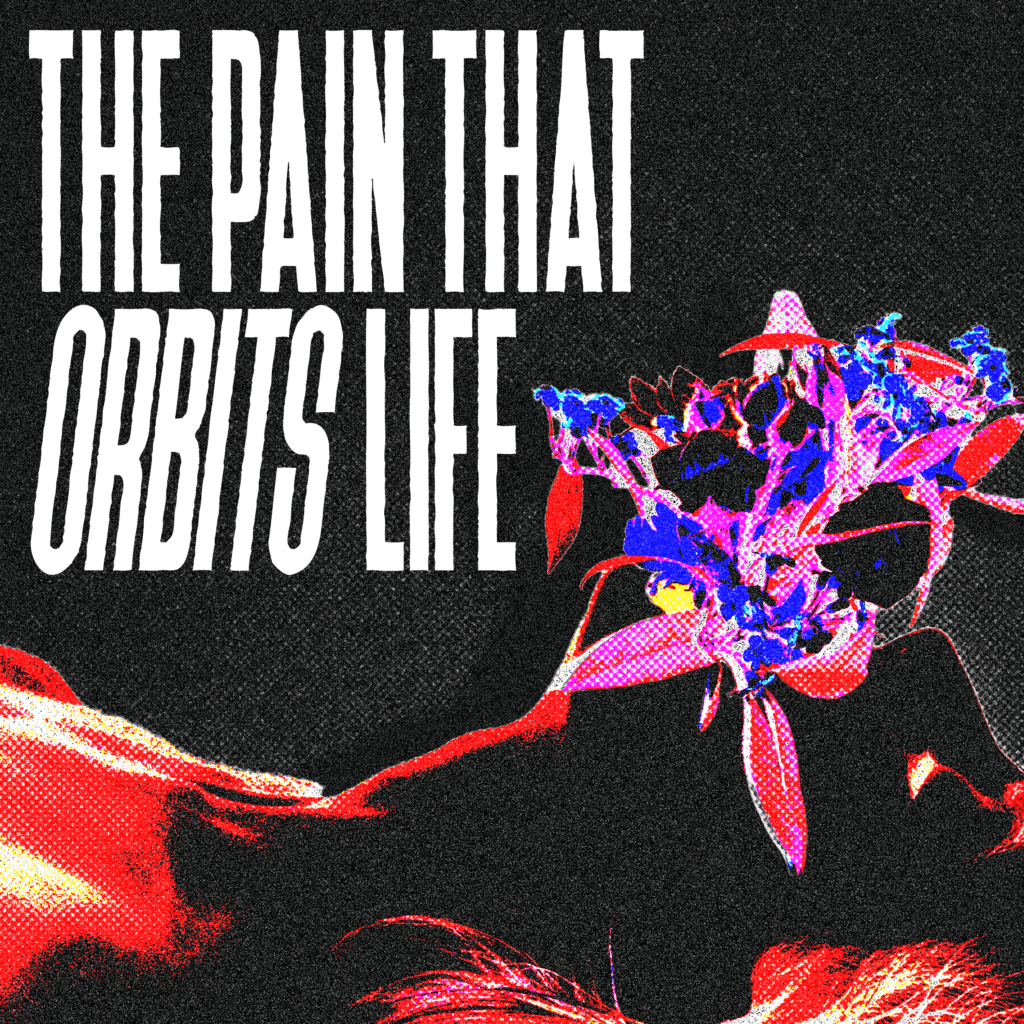
Connoisseurs of the UK’s alt-rock underground are sure to have come across legendary duo Haggard Cat, whether through their connection to mathcore giants Heck or via their own decade-long career. Now, on their long-awaited third LP, The Pain That Orbits Life, the Nottingham two-piece, formed of guitarist Matt Reynolds and drummer Tom Marsh, show off plenty of new tricks while staying faithful to their heavy-riffing DNA.
Throwing the listener in at the deep end, the album’s opening track, ‘I Hate It Here’ delivers a synth-led hit unlike anything you’ve heard from Haggard Cat before. Backed by a dense layer of fuzzy synth arpeggios, Matt and Tom fly right back into their riff-heavy brand of post-hardcore tinged alternative rock with plenty of raucous energy and forceful vocals. While the synths and modern alternative guitar work are new additions to the Haggard Cat formula, the duo’s hard-rocking bones are left very much intact.
While much of The Pain That Orbits Life may sound like classic Haggard Cat, the production has clearly been ramped up a notch, sounding razor sharp and sparkling clean without losing any of the energy of the duo’s infamous live shows. Despite previously relying on more classic rock-inspired riffs, leaning closer to The White Stripes or Queens Of The Stone Age than a lot of their contemporaries, The Pain That Orbits Life cleans up Haggard Cat’s act a little, keeping the sleaze and fuzz but with a modern polish that elevates their sound. Tracks like ‘Halcyon’ and ‘Nails’ really benefit from this more focused approach, helping to separate and define the newly added layers without detracting from the duo’s ravenous approach to songwriting.
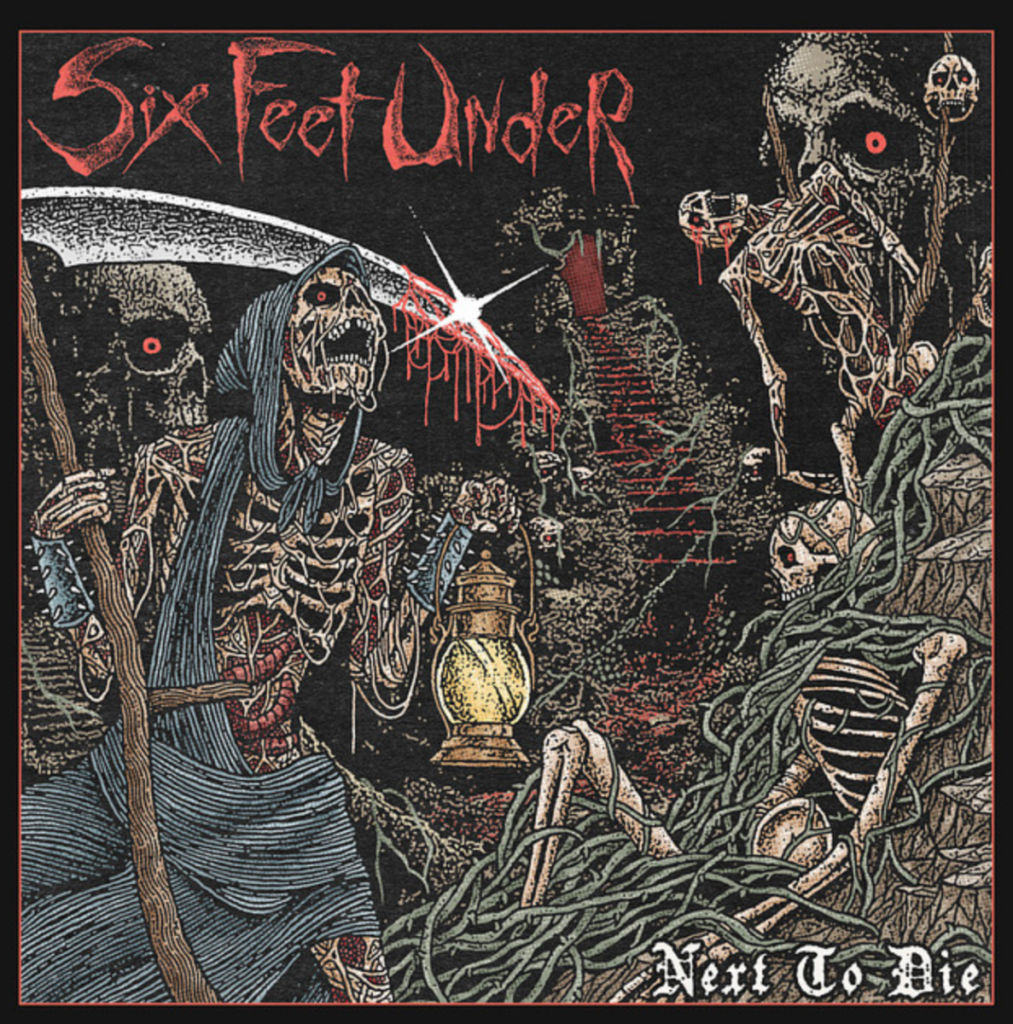
For some time now, Chris Barnes, alongside Jack Owen (since 2017) have been dragging the lifeless corpse that is their legacy into recording studios and onto stages around the world, milking it for all it’s worth. Release after release of stagnant, uninspiring drivel, and now the mountain has been conquered. This is no longer embarrassing and funny, this is just sad.
So much has been said about the quality of Barnes’ vocals now that it’s almost too easy, too obvious to critique, but he insists on croaking and wheezing at listeners. Listeners unfortunate enough to have been subjected to 2016’s Graveyard Classics IV, and in particular the sound of Barnes fighting with every breath to keep in tune with their cover of Maiden’s classic ‘The Evil That Men Do’, have that sound permanently seared into their brains. Much of this has the same feel to it. Lines don’t just sound like a struggle to deliver; they sound like they shouldn’t have made it onto the record at all. Weak, collapsing, and completely devoid of anything resembling authority.
This isn’t the worst example of his vocals by any stretch, but it is confirmation of a talent long lost to time and ill management that will never be able to return to its glory days. Some small mercy here is that the band do mostly try to give a pace which Barnes can keep up with, a decision that has been made by the man himself to instil more groove into their sound does make much of it more forgiving than some of their other material of the last decade, but when they really try and kick it up a gear, when any scream or growl extends beyond the initial moment, it’s like a machine being forced to run long after it’s stopped working, grinding, choking, and barely holding itself together as it limps from one moment to the next.

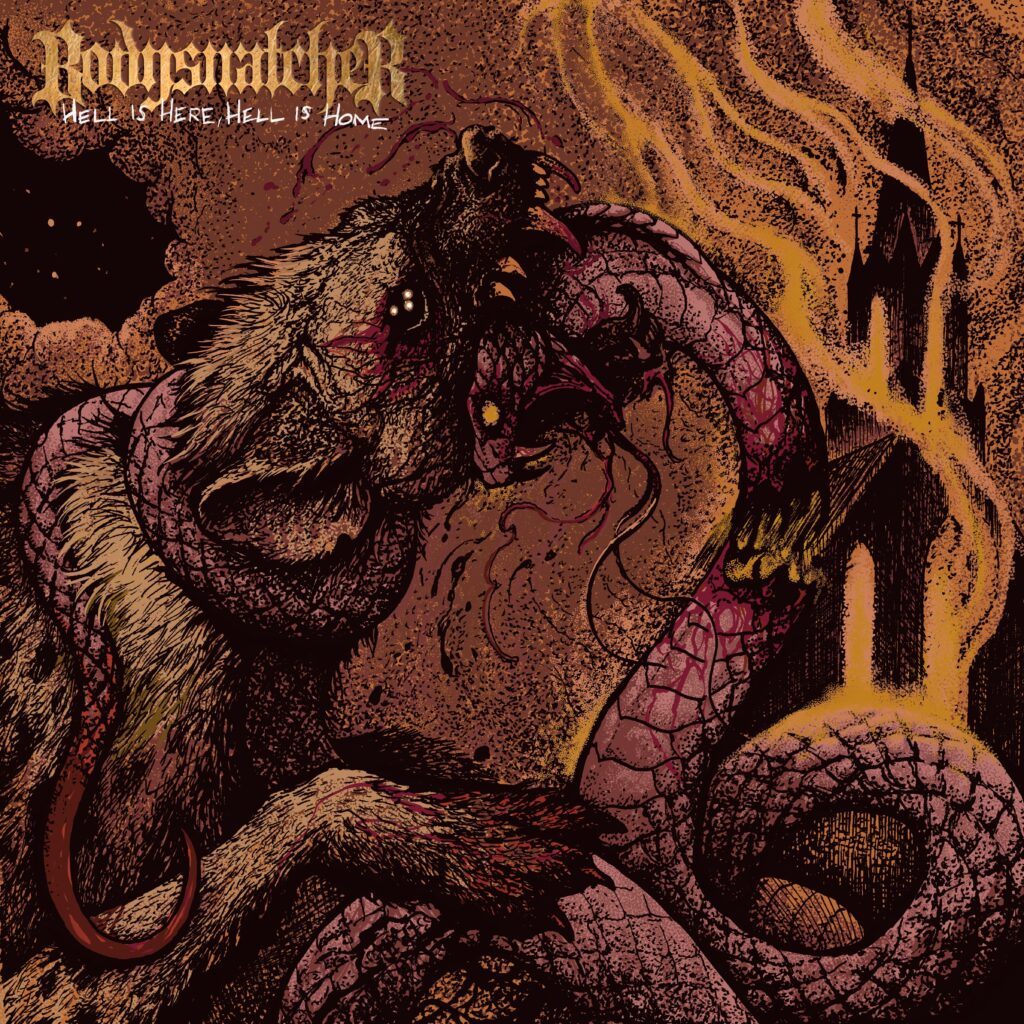
In the past decade or so, deathcore as a sub-genre seemed to stray from musical clarity, unique ideas and personal identity, into what can only be crudely described as a pissing match of breakdowns surrounded by recklessly thought-out filler. In more recent times this competition has died out slightly, only to be supplanted by core so blackened, you have to check your phone to see if you’re on a new track yet. Hell Is Here, Hell Is Home is an oxygen mask in the murky depths of dead horse mass grave.
The album bundles in with hit single ‘The Maker’ which is rammed full of variation, whether that be in terms of the riffs or the beat, there is a massive amount of substance to just one song here. It really highlights that the band is keeping in with the themes of revenge and murderous lyrics packed with visceral rage, reminding you that this is Bodysnatcher and there will be no remorse. It must be highlighted that the breakdown of this song is immense, but it was in no way crowbarred in for the sake of it. It’s so in-keeping with the song’s theme it rounds off the latter half masterfully. Unlike previous records from the group, it seems like the sludgeiness one might expect from a Bodysnatcher record, is ditched for a rapid pace, which will be spinning rooms across continents in the near future with ‘Writhe and Coil’ and ‘Plague of Flies’.
In their 20 years as a band psychedelic space rock collective Gnod have done it all. Led by bandleader Paddy Shine alongside an ever-rotating supporting cast, Gnod have run the gamut from experimental drone to krautrock inspired electronics and wild stoner metal. Now on Chronicles Of Gnowt Volume 1, the first of three planned releases celebrating their journey so far, the band push their boundaries further than ever.
Opening on the instrumental acoustic piece ‘Three Tree’s (Part 1)’, arguably one of the most straightforward tracks in Gnod’s extensive career, Chronicles Of Gnowt Volume 1 quickly flings itself into the band’s usual psych rock chaos. While the album’s first full track ‘Shadow Mirror’ may start out slow and doomy it leaves itself plenty of room to grow across its seven minute runtime, gently building with layered, repetitive guitars and subtle synth drones before reaching a mesmerising, chanted conclusion, dragging a simple chord progression out to its logical extreme and then flattening it out some more. As an introduction to Gnod these two tracks deliver a fantastic contrast, showing off both the band at their most delicate as well as their most eclectic.
Whilst it can be comforting when a band finds a niche and doesn’t stray too far from that, it can also be fascinating to see bands continuing to push their sound forward however they can to test what they are capable of. Sitting somewhere in the borders between black metal and screamo, Texas three piece Portrayal of Guilt have been a band who’s music has always been a fascinating delve into the darkest depths of decay that purvey the world we live in. After three years away, the band have returned with their fifth album …Beginning of the End, a release which is possibly their most accessible album yet whilst also being just as unforgiving a listen as their past work.
…Beginning of the End definitely leans more into the black metal side of Portrayal of Guilt than the screamo side, but that is filtered through more Industrial and noise rock influenced layers alongside a handful of nu metal sensibilities for good measure. The low tuned rhythmic basslines and soul destroying guitars are paired with unsettling noises which can really add to the atmosphere of certain tracks. ‘Human Terror’ sets the tone for the album perfectly, opening with a bass line which wouldn’t sound out of place on an early Korn album that later gets accompanied by some high pitched noises alongside the band’s signature black metal influenced atmospheric guitars and the screams of vocalist Matt King. The track switches between a reliable loud/quiet dynamic with the choruses seeing the guitars switch from arpeggiated chord picking to loud and down tuned power chords with King’s vocals remaining the only constant between these differing dynamics.
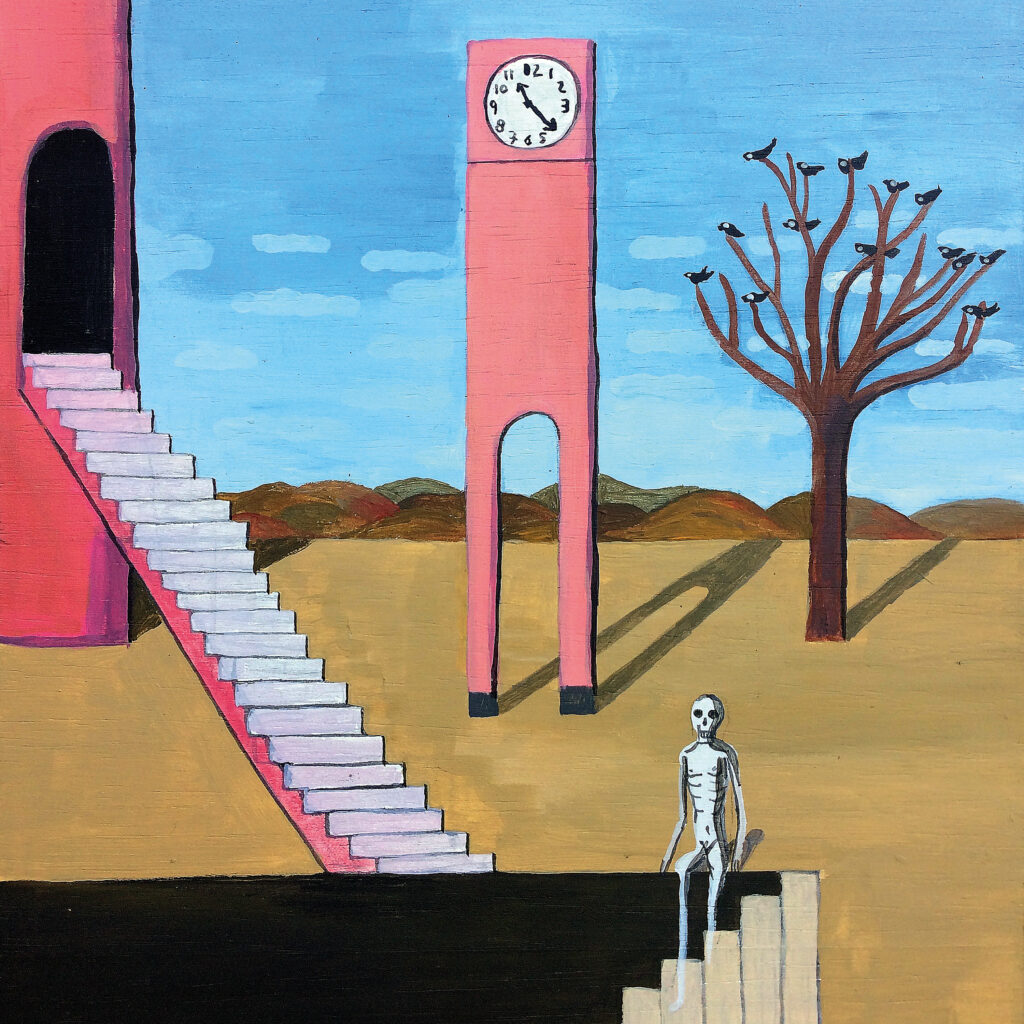
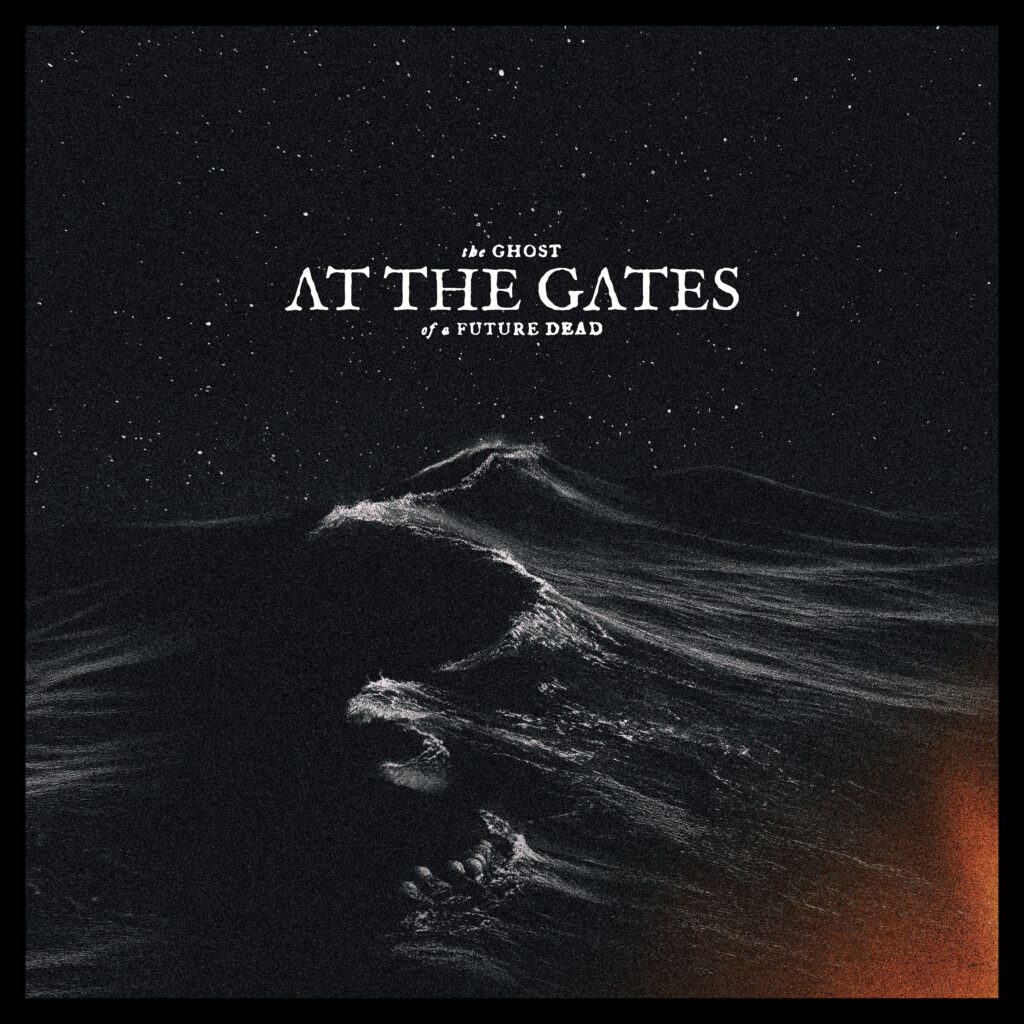
The metal community was brought to its knees in September 2025 when Tomas Lindberg tragically died after being diagnosed with a rare type of cancer of the mouth. But through the battle with the illness, he still entered the studio prior to his surgery and recorded his vocals in one day. Now we’re gifted the final appearance of Lindberg, as well as the return of founding member Anders Bjorler who last put his name to an At The Gates release back on 2014’s At War With Reality. The surprise reunion of the classic line up was in fact due to a bittersweet short one however.
The Ghost Of A Future Dead was bound to be one of the most emotional and haunting record due to the events that preceded it, but when you press play you’re hit with the fury of album open ‘The Fever Mask’. The damp and muddy production sound from their last album The Nightmare Of Being is gone and we’re taken back to At War… With the razor-sharp guitars From Anders and Martin Lasson twisting betwixt Adrian Erlandsson’s impeccable drum work. ‘The Dissonant Void’ lulls you into a false sense of melody as the opening guitar notes strum gorgeously before blasting back into the melo-death we know and love from At The Gates.