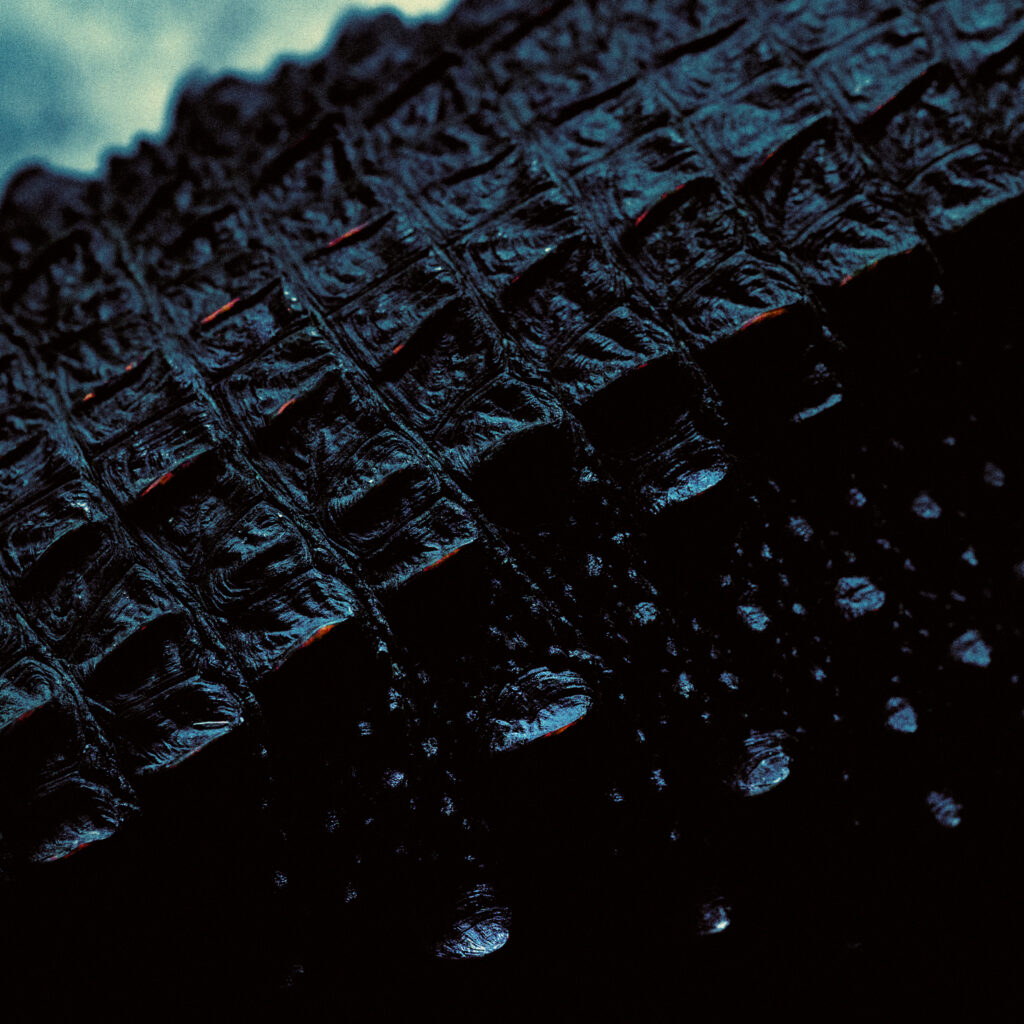
If you’re open to bands evolving their sound as they progress through their career, stick around. If you stand firm on the belief that bands should stick to the sound they had in their debut, you might be disappointed. The only single to be released before the drop, ‘Song of the Swamp’, perfectly encapsulates the tone they were aiming for. It’s jagged, and not like the line you try to draw when under pressure, but like a ripsaw that cuts violently through the peace that preceded. From beginning to end, this is a track that enters with hostility and a “take no prisoners” mantra. It’s unapologetically aggressive, and laced with panic chords that join forces with pick scrapes to attack the nerves of whoever dares to listen. Some have said this is heavy for the sake of being heavy, but it’s so much more than that when it was designed to become the embodiment of the nature and wildlife that cover the land of Florida, the state which the band hails from. This idea has been executed to a high creative standard, granting an audible assistant to allow for envisioning the music in visual form, not only on the entry track, but throughout the entire EP.
Co-writer and clean vocalist, Cody Quistad, hasn’t hidden in the shadows, which would’ve made sense if the band were going full send into the heaviest end of their spectrum. The tracks ‘Blindfold’ and ‘Karma’ open the space for his easily recognisable voice to be heard, delivering those catchy choruses that many listeners love because they flow effortlessly against the grit of the down-tuned guitars and ominous feel, seeping into the spaces between to shine a light through what otherwise might seem like a dark release. They add a sincerity to the EP that it would otherwise fall short in terms of excitement without.
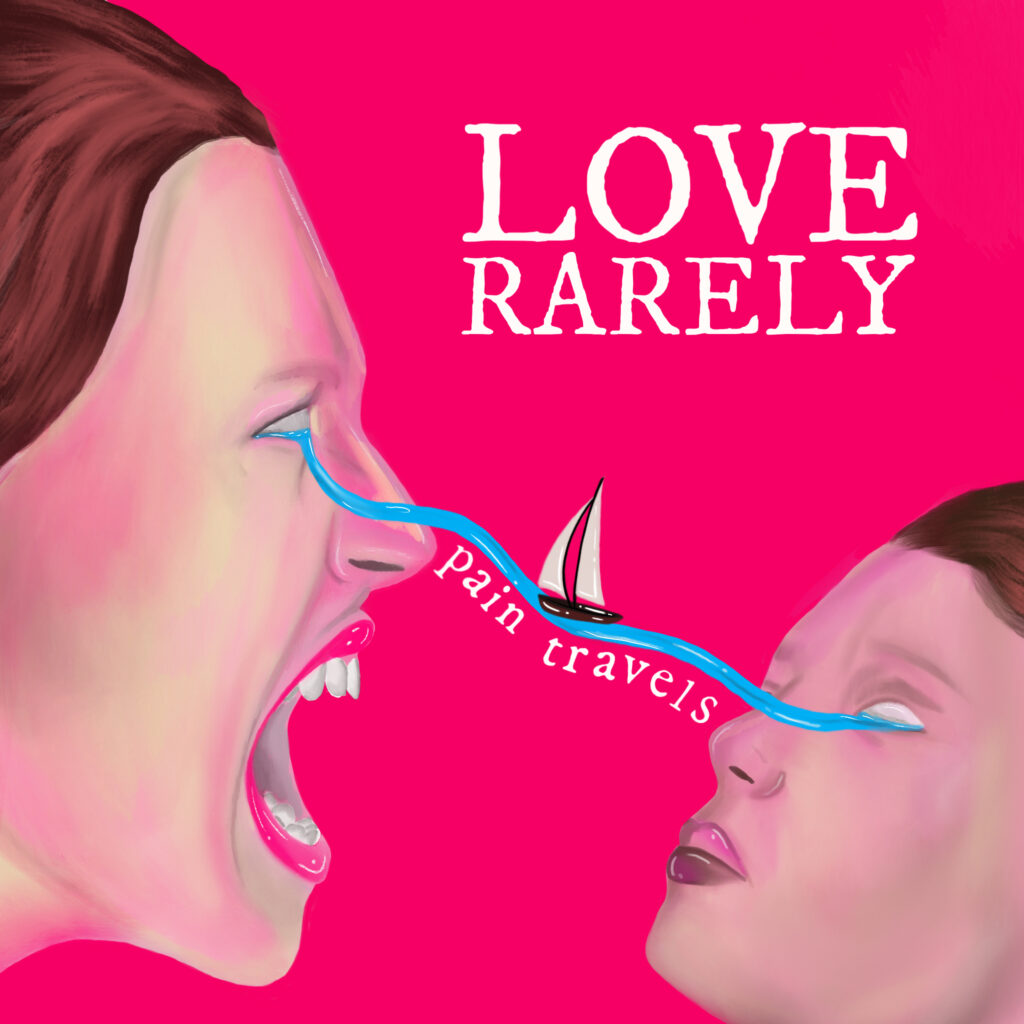
Coming off the back of a breakout 2025 that saw them hit stages at the likes of 2000 Trees, ArcTanGent and Portals festivals, they’ve carried that momentum into 2026 with a sold-out support run alongside heavy-hitters The Callous Daoboys. For a band still in its relative infancy and only now delivering a debut album, Love Rarely already feel remarkably self-assured, as though they’ve skipped a few of the tentative early steps most bands rely on to get their feet under them. There’s a sense, too, that this is a band arriving with intent rather than simply testing the waters. From the outset, Love Rarely present themselves with the kind of confidence that comes from knowing who you are and what you’ve been wanting to say.
The emotional weight of the writing on Pain Travels is undeniable; there’s a deep well of barely contained rage on tracks like ‘Through Families’ and ‘Haunted’, as Courtney Levitt stares down generational trauma and familial rupture with an unflinching gaze. These are not songs that hide meaning within complex metaphors or lyrical vagueness. Lines land plainly, often brutally, and that directness is one of the record’s greatest strengths. It’s matched by an excoriating vocal delivery that cuts through the band’s dense, often restless arrangements. The counterweight to the harsh vocals is skilfully incorporated cleans that build depth and emotional range into the sound. Elsewhere, songs like ‘Severed’ and ‘Dormant’ widen the lens, touching on self-contempt, illness, and the long shadows cast by difficult upbringings. As heavy as that sounds, everything is handled with straightforward honesty, leaving no space for extraneous romanticism.
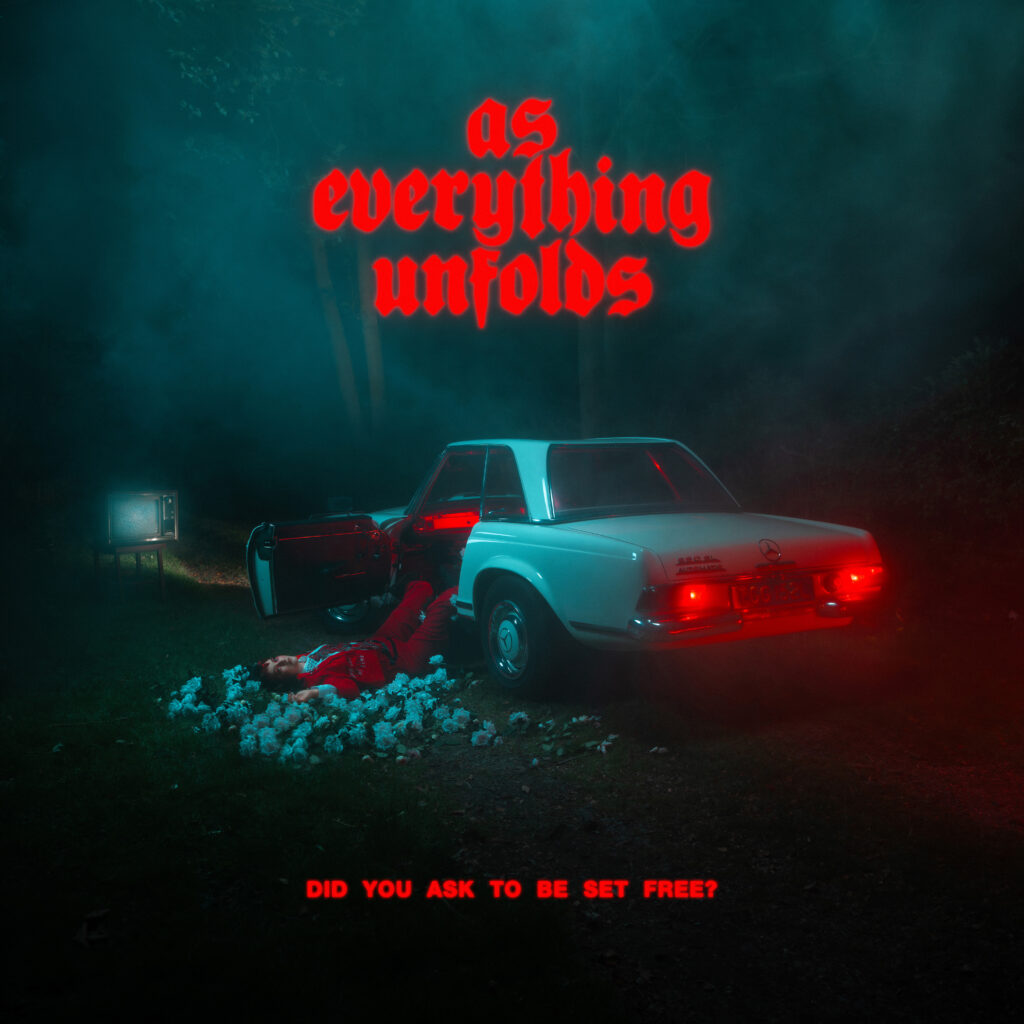
So begins Did You Ask To Be Set Free?, the third album from metalcore/alt metallers As Everything Unfolds. It’s an understated opener that swiftly opens into the kind of skyscraping chorus they’ve become known for, with an extra shot of emotional vulnerability and intensity than before. There’s a well of grief, pain and sadness that DYATBSF? draws on, one that seeps into every nook and cranny of the album. Instead of ruminating solely on one moment, however, As Everything Unfolds explore a myriad of emotions and moments across the album.
Take opener ‘Denial’, in which vocalist Charlie Rolfe ruminates on the impact of somebody living in denial of the pain they cause others, or ‘Point of View’, in which they delve into a person’s refusal to see anything from another perspective than their own. Grief is non-linear, and DYATBSF? encapsulates that in the way it explores the liminal space people inhabit when in its clutches. After the unimaginable tragedy of drummer Jamie Gowers’ passing, AEU have poured everything they’ve felt since into the album’s creation.
In that liminal space, though, the quartet have crafted something truly unique; it couldn’t be made at any other time, nor will it ever be repeated. The thumping, floor-filling drums of ‘Gasoline’ underpin a surefire festival banger, while final pre-release track ‘Find Another Way’ whose video released mere hours before the album, is a slow burn that seems to ruminate on a person trying to tempt another into their own destruction in heart-rending fashion. Something exceptional about all the pre-release singles, too, is the cohesive world built around the album.
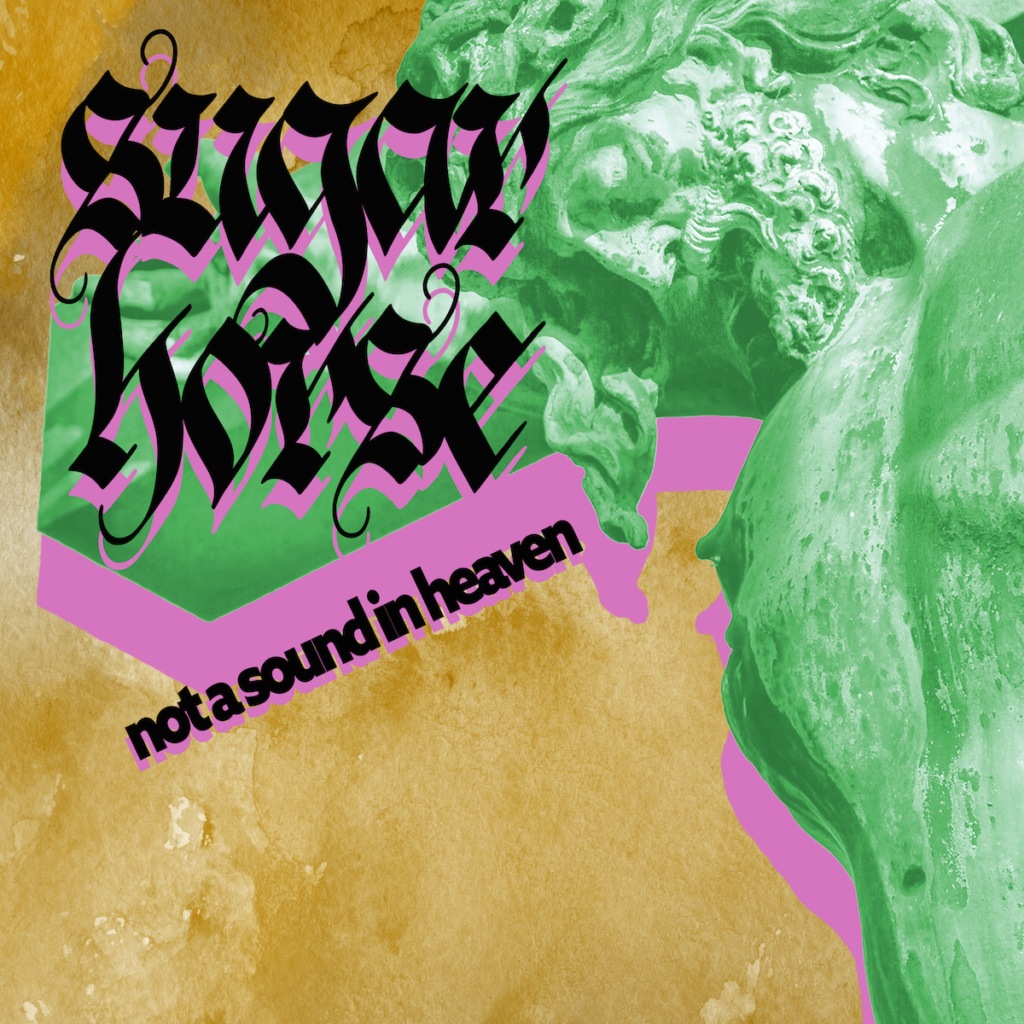
Two years on from their sophomore album, The Grand Scheme of Things, the Bristol-based misery merchants return with Not A Sound In Heaven. Written and recorded almost simultaneously, they have opted for a raw and organic approach to crafting their third album. Foregoing the conventional tripartide of write, rehearse and record, they have captured the essence of these seven songs as immediately and urgently as possible. Recorded live and without click tracks, resulting in a record that captures all of the intensity and gravity of the Sugar Horse live experience.
Across the likes of opener ‘Fire Graphics’ and latest single ‘Ex-Human Shield’ they draw you in with downtuned, subterranean, groove heavy riffs, chastising capitalism and its many warmongering figureheads. You may think you know what to expect but by the time ‘History’s Biggest T-Shirts’ rolls around, it’s abundantly clear that the band are reaching towards grander things this time out.
From hulking industrial grooves to serene synths ‘History’s Biggest T-Shirts’ marks a turning point in the album. Exemplified by its dreamlike mid-sequence, most of its hefty runtime is spent lathered in ambient droning sounds and a wall of saturated guitar effects. The band showcase their most conventional, pop songwriting to date on the title track; Soaring, anthemic and surpisingly pretty, it should feel jarring and yet, somehow they pull it off. Sugar Horse simply love to smash together seemingly disparate ideas. Rather than pull the rug out from under you though, the enormous range of dynamics that they employ takes them from near-silence to surreal, reverb-drenched refrains and pulverising riffs. Even when smashing together such wildly different influences, their songwriting approach always feels sincere, and it is for that reason that they can pull off such startling shifts in tone.
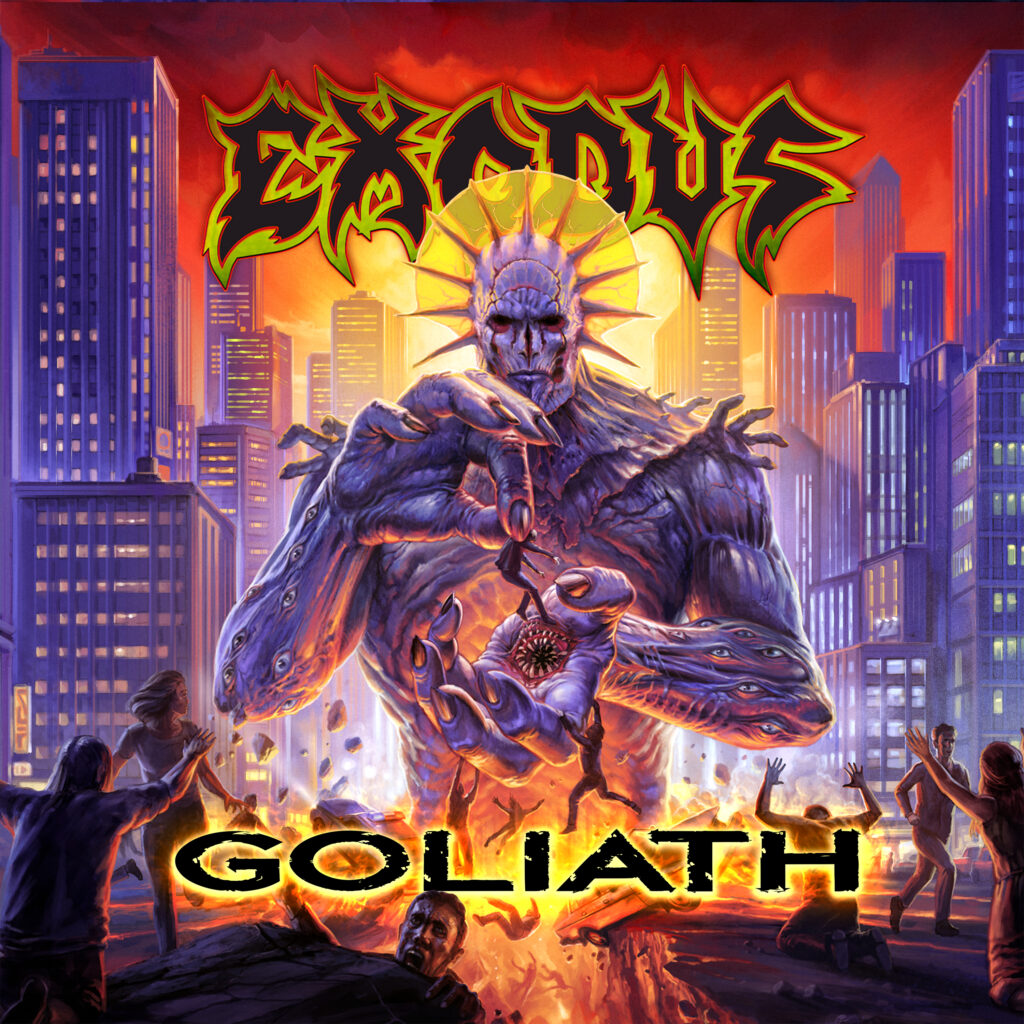
It seems with the retirement, or at least semi retirement, of Slayer, Gary Holt has had ample time to conceptualise more riffs beyond human comprehension. After over four decades in the game, they show absolutely no sign of slowing down. During this 12th addition to their vast discography, we’re reminded that the earth shattering snares from Tom Hunting’s kit and ultra fast riffs from Holt and Lee Altus will spin circle-pits for decades to come. If by some unfortunate miracle you have not yet been versed in the unholy sermons of Exodus, Goliath will baptise you in thrash.
Like a nefarious re-entrance for Dukes, ‘3111’ builds the tension before striking you with that classic skank beat, setting the atmosphere for what’s to come. The next two tracks ‘Hostis Humani Generis’ and ‘The Changing Me (feat. Peter Tägtrgren)’ bare this forward, with the latter changing-up somewhat. It seems to kick the skank beats for a backbeat, emulsifying with punchy chords to concoct the ultimate head-banger’s dream. As we get into the real meat of this record ‘Promise You This’ sets up with a sky opening solo, sandwiched between runs from Holt and Altus that guitar fanatics will be spending weeks analysing.
Where do you even begin with a band like Sunn O))). can we even really call them a band? Certainly not in the traditional sense at least. Nothing about the American duo can be even remotely called traditional. For nearly 30 years they’ve been curating moments, movements and experiences in place of where the rest of us mere mortals would have albums. From their most accessible material on the debut Black One through slow and meditative, or the more immediate and visceral, and their absolute masterpiece of twisted, almost classical Monoliths & Dimensions, the newest self titled release slots into their surprisingly varied catalogue, showing some of the densest and oppressive material of their careers so far.
For the first time in years, there’s no collaborators to speak of. This is the duo of Sunn O))) in its purest form, a ‘back to basics’ approach if you will, or as back to basics as they will ever get. The result is no less deep or expansive for it however. Every phrase is stretched to its limit, straining under the tension, like a fabric being ripped apart at the seams. Tension is the key theme across all of these chapters, pushed nearly to breaking point, building up the atmosphere, pushing listeners to the limits until the sound or the listener breaks, inevitably it is the latter that is more likely, there’s little release throughout this, just a near never ending rise.
Established fans will feel a sense of comfort immediately, some may even consider this somewhat of an “easy listen” for Sunn O))). The opener ‘XXANN’ greets listeners with a wall of squalling feedback, looping and chasing relentlessly, spectre-like, familiar but deeply uncomfortable. Without so much as a warning the next phase crashes in, deep and loud a statement of what’s to come, dragging listeners under. Further listeners reveal the true depth, the subtle trickle of water permeating through the din.