This is why the triumphant debut LP Lost Souls by the Loiner Alternative Metalheads Caskets, is officially one of the most enticing and relatable modern soundtracks delving into the realms of emotional degradation.
Although known in certain circles as the masters of towing the line between the heaviest aspects of metalcore and the melodic beauty of softer takes on the audible embodiment of vulnerability; the five-piece re-inventors dynamic energy in every track of their latest release is a testament to their unquestionable ability to capture the many essences of trauma, in hopes of inspiring a sense of togetherness with fans struggling with similar issues.
It is with this in mind and the yearning for deep connectivity to the albums overwhelmingly tragic subject matters, that the most impactful standouts include ‘Clarity’ and ‘The Final Say’ due to their true depth of rawness displayed across all facets of their run times.
‘Clarity’ comes across as an in-depth look at manic ruminations surrounding the concept of purpose, while battling constant suicidal ideation as it weighs heavily on the narrators mind. With its already heavy content within its lyrical exploration; its orchestral undertones hark back to an early 2000’s Ben Moody-esque Nu-Metal soundscape, which just increases the deeply intensified overall flow of bleak and dire straits unfolding before us to a whole new level of paralysing numbness.

Artists like Chelsea Wolfe and Lingua Ignota don’t strictly fall into the category of metal. In fact, their music is far from it many times, straying more into folk and operatic avant-garde poetry. But there is a plunge into the deepest recesses of human emotion within their music and an unabashed embrace of darkness as a fundamental part of them that welcomes them in to the arms and ears of metalheads and alternative culture participants the world over. The same can be said for artists like Pertubator and GosT, whose gothic synthwave has begun to make waves this year, more so than ever. GosT, (pronounced as ghost) the synthwave project from James Lollar, has been making the rounds on metal publications for its blend of horror and themes of gothic darkness and hard edged danceability. It’s dance music for those who love all things dark, and new album Rites of Love and Reverence should pique the ears of anyone who loves heavy music for its exploration into the forbidden fruit.
GosT’s last record, Valediction, was actually a direct combination of synthwave and straight up black metal, with songs definitely leaning hard in the latter direction. This time around, Lollar, moves back towards the horror themed aggro-danceclub vibe found of previous albums like Possessor. The production on Rites of Love and Reverence is also a welcome return to thunderous clarity. Every drum sounds huge and every soundscape is crystal clear, which makes listening even more enjoyable. There’s an overall witchy vibe throughout the record, as evidenced immediately by the arcana and spellbook tinged song titles and ritualistic album art. And it’s a lot of fun, though a bit repetitive and uneven at times. The record starts with a bang. Opener ‘Bell, Book, And Candle’ is a terrific mood setter, with magical chanting and a building tone that explodes into ‘Bound By The Horror,’ a pulsing, throbbing, explosion of noise backed with dub-y bass drum and clanging hammers. It has a video game esque main synth theme and the first introduction of Lollar’s gothic, moaning vocals. It would go off as a whole lot of fun at a vampire dance club, and the ‘Tubular Bells’ esque melody and screaming background choir end the song on a high note.
Pop punk has become something of a dirty phrase in recent years, as many acts large and small have eschewed the punk half of the equation in favour of a softened, more mainstream friendly sound. With this in mind the fact that opening track ‘Afterglow’ kicks in with thunderous drums, spiky lead guitar and actual riffs is an absolute joy. In addition to the reassuringly prominent instrumentation, distinctive vocalist Bethany Hunter acquits herself very well from the start with energetic vocals full of the sort of earwormy hooks that are archetypal of the genre done right. The band themselves have been very outspoken in their determination not to conform to external trends and pressures, instead focusing on remaining true to their own vision. The result is a sense of vitality, fun and genuine enjoyment that permeates the entire effort – something potentially brought on by the enforced long wait to actually start playing together again on account of lockdowns.
A bold opening statement by Kristin Hayter, better known by her Latin stage name Lingua Ignota (meaning ‘unknown language’), as we’re introduced to her new album Sinner Get Ready. From the first buzzing synth note of the nine-minute epic that is ‘The Order of Spiritual Virgins’, to the fading piano-accompanied vocals that close out ‘The Solitary Brethren of Ephrata’, one word can be used to describe this listening experience: intense.
Whilst Lingua Ignota’s previous release Caligula focused heavily on matters of domestic abuse, Sinner Get Ready instead sees Hayter channelling her interests and experiences with religion, “an unsettling portrait of devotion and betrayal, judgement and consequence”. Set to a deeply rural Pennsylvania backdrop, inhabited by old testament God-fearing Christians, Sinner Get Ready explores the sparse landscape and tells tales of eerie cult-like figures as well as weaving threads of personal tragedy into the overarching themes.
Tracks such as ‘Many Hands’, ‘Repent Now, Confess Now’ and ‘The Sacred Linament of Judgement’ offer vocal melodies that seem to carve out their own path as though all or any of the music beneath them were purely coincidental. Their cult-like chants drip heavy with mentions of ‘the blood of Jesus Christ’. Musically, these tracks are reminiscent of or sound as though they could have been lifted from an occult film score – Mark Korven’s soundtrack to ‘The VVitch’ springs to mind, another story that also just happens to be set in New England.
Fortunately, with the arrival of new vocalist Will Ramos and the single ‘Into The Hellfire’, all those doubts were soon silenced. That single comes from their new EP, …And I Return To Nothingness, which sees them returning to top form rather than falling into said nothingness.
While it may close the EP, the title track deserves special mention first. It’s six minutes of relentless symphonic deathcore as only LORNA SHORE know how to do, replete with vicious roars, howls and even guitar solos. You might not guess that from the ominous synths that open it, but as soon as the melody comes in, it’s immediately apparent this motif will reappear throughout the track. That’s no bad thing, as it provides a cornerstone for things to build around and evolve from amongst the sheer brutality on display.

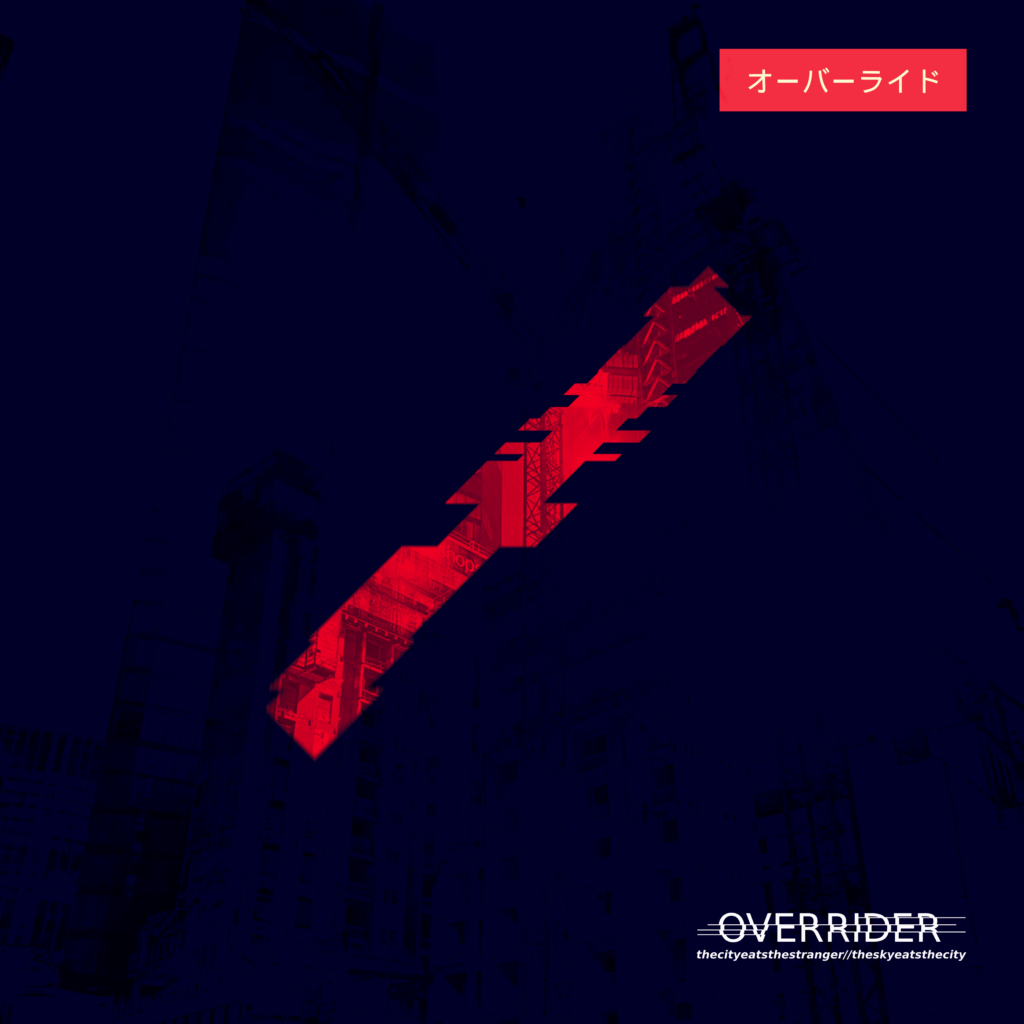
Forming within the chimerical, neon illuminated confines of the outsider electronica scene, the completely anonymous pact came into being due to a shared love of code, algorithmics and all things digitally automated. It was this shared love that saw the genesis of Overrider as an entity, with the duo originally creating music via live-coding experiments, algorithms, and to an extent, perceiving unicode in a way any other musician would read translational sheet music. Yes, it’s certainly a unique and borderline incomprehensible approach, but it was one that served as the primary crux of their initial EPs from last year. Respectively titled Cyc/er and Re:ntegration, these two extended plays where fantastic and wholly unique records that established their penchant for expressing the incomputable nature of human existence through calculated beats and a hacker aesthetic. But yet, the band are pulling a curve with their more traditionally composed LP debut titled The City Eats The Stranger // The Sky Eats The City.
Releasing August 6th independently, this record see’s the band departing from their themes of isolated introspection and compositions of semi-random beats in order to painstakingly create a record of sci-fi scope that’s been crafted purely by hand. This organic approach has resulted in a record that’s simply full of intricate detail, nuance and almost endless amounts of deeply textured layers. It’s also a body of work that see’s the band naturally doubling down on their breakcore, shoegaze, glitch and even contemporary junglist tendencies, as well as their futuristic dystopian vibe.
Opener ‘w_-br=_k=r’, showcases, especially in the way it seizes into life in the way a fatally virus ridden virtual computer would be booted up. Confident in it’s execution and fully immersive with it’s shifting soundscape of frenzied riffs, glitched beats and warbled choirs of vocal samples, the track instantly interjects you into the gritty futuristic city of squalor and hedonism this album feels like it was cultivated from. Bolstered by the crawling and creeping following track ‘th= k-ck’, a track that feels like the inner monologue of an AI being corrupted, it’s nigh on impossible not to visualise scenes of urbanist excess from media such as Blade Runner, Akira and Ghost In The Shell when listening to this. There’s a very palpable neo-noir feel to this record, one that’s viscerally animated in it’s frantic turbulence.