Three decades in, their ability to sound both crushingly heavy and irresistibly melodic remains unmatched, and the fact they’re still adding to their legacy with this much conviction is nothing short of remarkable.
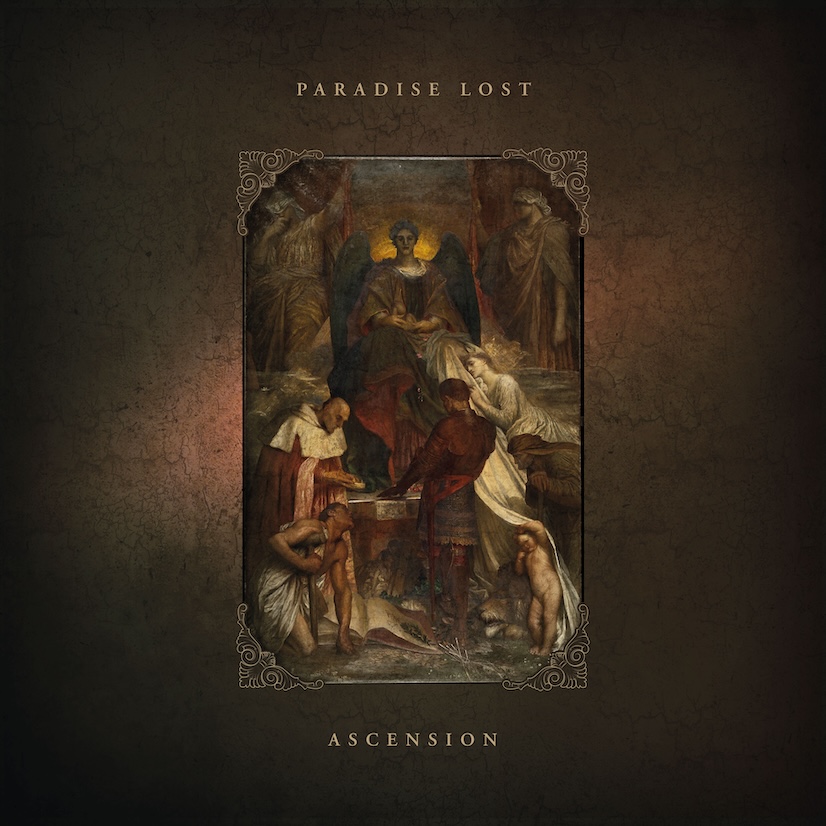
To be pioneers in any style of music is something to be respected. To do it twice, evolving into something different, is something else altogether, it’s what sets the special bands apart. You could forgive Paradise Lost for coasting on reputation alone, phoning it in and cashing in on nostalgia. But that isn’t the case here. Latter-day Paradise Lost have taken everything they’ve learned—the death-doom foundations, the gothic grandeur, the sleaze, the sorrow—and woven it together into a sound that is so utterly theirs that no one else even comes close.
This album plays like a guided tour through their history, a living anthology that doesn’t just revisit old sounds but merges them into something unified and vital. Over the last decade, the band have perfected this balance: the oppressive weight of their earliest death-doom—the cavernous growls, the grinding riffs, the suffocating dread—fused with the anthemic, gothic rock swagger that made them cult icons in the ’90s. The result is an album that hits like a leaden hammer but glistens with hooks, drenched in both despair and allure.
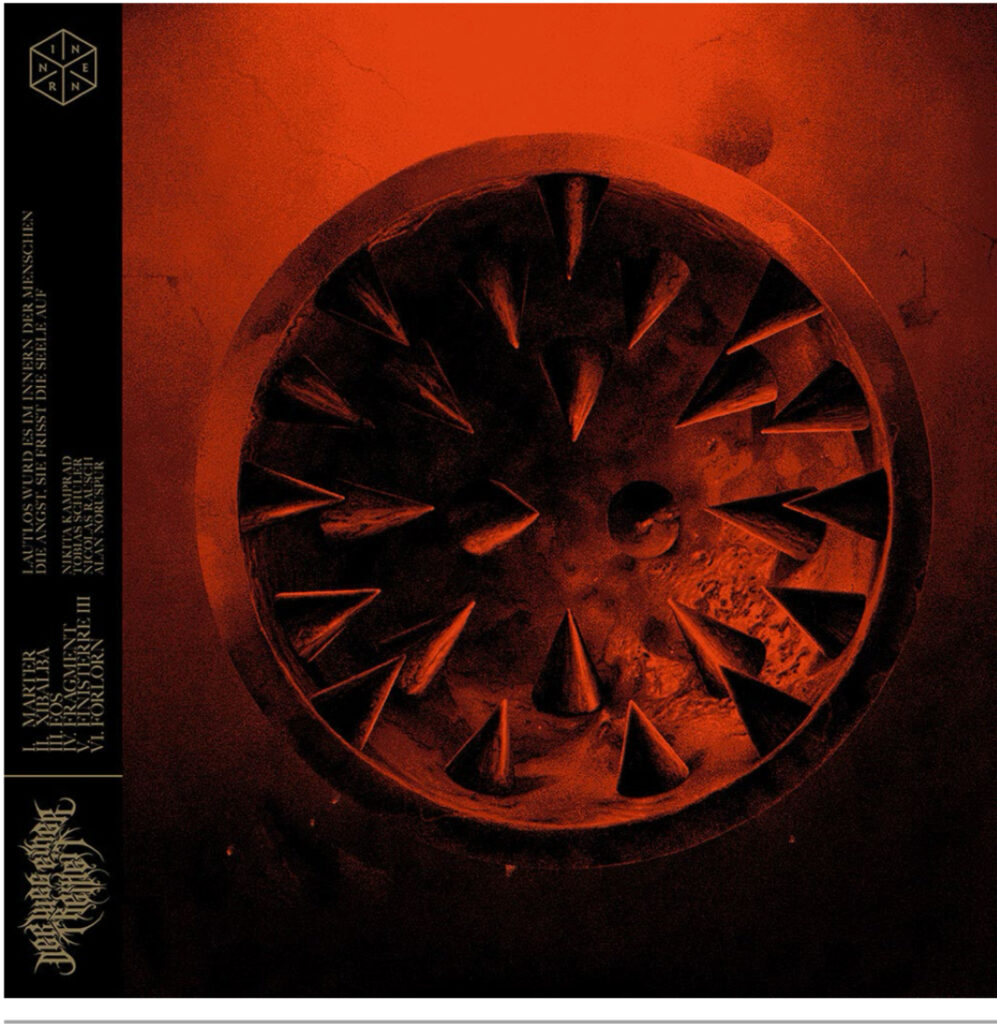
With each successive release, Der Weg einer Freiheit have been making leaps forward in their sound, and Innern is no exception. Clearly not content to be bound by the rules of trve or kvlt, this is a band intent on pushing black metal into more expansive, vulnerable territory. None of this is to say they’ve lost touch with their roots—when it’s time to go, they go, and they’ll cave your head in with vile, icy riffing, relentless pounding drums, howling shrieks and tortured growls as good as anyone in the scene. But Innern makes it clear they’re after something more than raw violence. They’re searching for emotional weight, for meaning in the noise, for moments of transcendence amidst the chaos.
What really defines the record is contrast. The slower builds, melodic interludes, and moments of near-silence don’t weaken the attack—they sharpen it. Fragile textures, flickering melodies and subtle shifts linger in those spaces, and on repeat listens they reveal themselves as vital to the album’s atmosphere. It’s not just about soft versus heavy; it’s about how the two feed each other, the stillness making the violence hit harder, the savagery making the quiet moments ache.
Formerly known as Scalping, those in the know are sure to be familiar with Scaler already after their collaborations with artists such as Daniel Avery, Mogwai and Grove as well as their stellar live appearances at ArcTanGent and Glastonbury amongst others. While their previous work delved into a blend of modern metal style live instruments and club inspired electronics, the quartet’s latest release Endlessly brings new twists and turns to their sound, drawing from artists as varied as Portishead and Deftones.
After a short, haunting introductory track ‘Quiet When It Speaks’, the album begins in earnest with ‘Salt’, an alt-pop and trip-hop inspired journey through new territory for Scaler. With British producer/singer Akiko Haruna providing some suitably ghostly vocals, ‘Salt’ sets a new standard for Scaler’s sound, weaving between Massive Attack style 808s, choppy rock percussion and subtle, post-rock inspired guitars before exploding into a sultry modern metal breakdown. While Scaler have clearly dedicated themselves to expanding their horizons, bringing in more and more genres both heavy and electronic, the band’s DNA remains intact with a tight balance of modern metal and club inspired electronics.
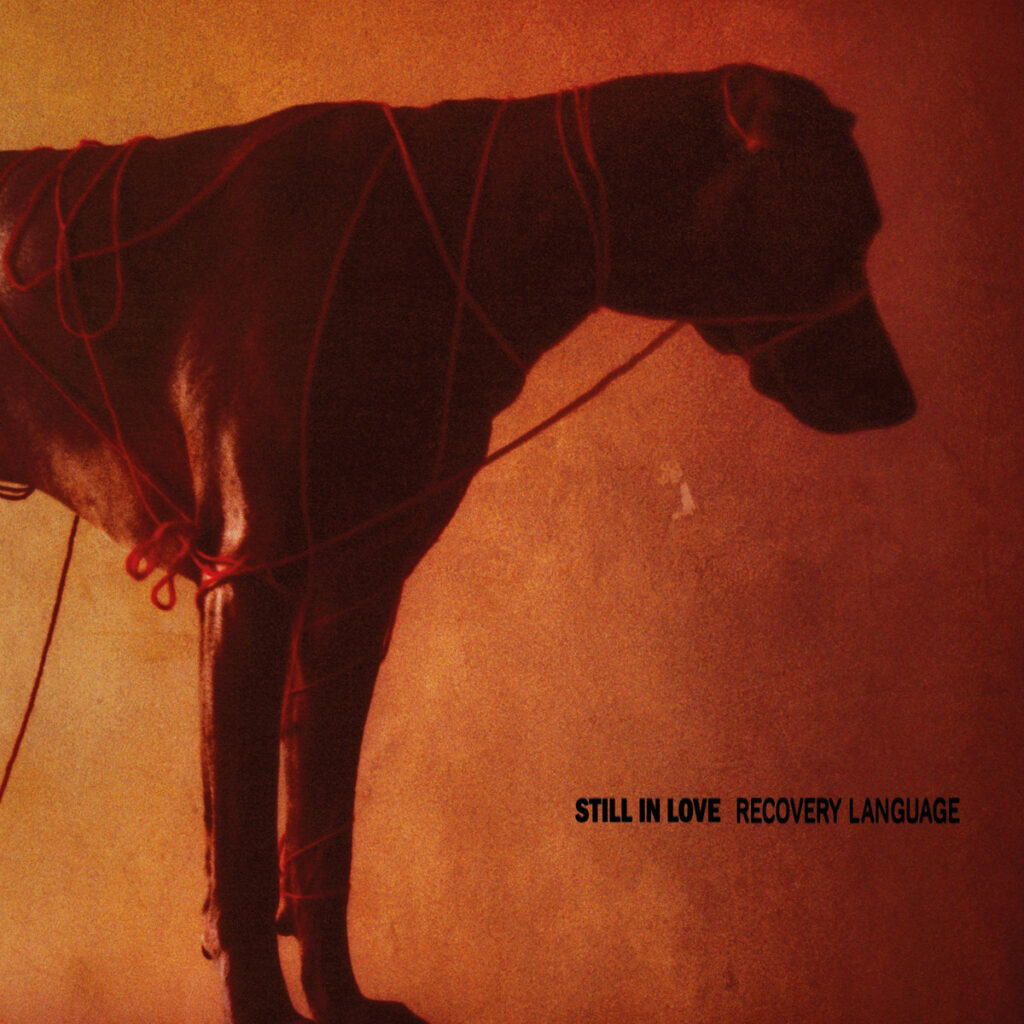
When you have band members that have had such road worn and storied careers in UKHC luminaries such Dead Swans, Last Witness, Brutality Will Prevail and even the likes of Bring Me The Horizon, you are quite right to assume that the crushing calibre of songwriting is going to be strong here. After wetting appetites with the acclaimed EP Withdrawal Symptoms, Still In Love have finally released the much anticipated full album Recovery Language.
Key single, ‘Preserve & Cherish’, has Sam Carter from UK metal greats Architects pop to assist with guest vocals. A nice touch here. On the flip side, Basement’s Andrew Fisher lends his vocals for the choruses of ‘You Have To Let It Go’, the emotive element showcased even further.
Frantic drumbeats reflect the sense of urgency which flip back and forth from tinges of atmosphere to nod the theme of the sometimes fragile human condition which runs through Recovery Language. Opening track ‘Tell The Truth’ has the phrase “Trauma will find you” as the chorus, alluding to the subject further. At the same time, the bread and butter of beat downs that make up the band’s hardcore DNA are prevalent with dance floor destroying two-step rhythm.
The guitar work is crunchy and lacerating like classic-era Poison The Well and the atmosphere created throughout lends itself to some of the bleaker entries of the Deathwish Inc. roster such the much-missed Planes Mistaken For Stars and the Canadian cult legends Cursed.
Incredibly cathartic, as predetermined by the brisk track lengths. Converge-like audio baseball bat shots are used to great effect and precision. Bludgeoning with minimal breathing time in the process. Claustrophobic and a constant sense of anxiety-riddled inertia makes this a heartfelt album without being insincere.

At a time when most could probably add “this band blends screamo with black metal” to our bingo cards, Malevich go one step further by taking aim at their contemporaries with some pretty harsh digs when describing their latest record. To quote:
“The lack of teeth found on the thoughtful side of extreme music is concerning; hordes of reverb-soaked faux-black metal bands tremolo picking for the sake of selfish art and not anger. Malevich is angry. The band looks at the material world as it exists and condemns its violent, oppressive tendencies. They seek to contrast others that adopt trendy aesthetics but purposely avoid any kind of ethical stance outside themselves.”
It’s a bold choice to promote a new release by speaking more about what everyone else is doing wrong, and especially so when said release dredges up the same tropes decried above. Genre-blending is nothing new, and while Malevich have an unparalleled fury to their vocal delivery and unbelievable intensity at times, it’s not enough to set them head and shoulders above the rest of the ever-growing post-everything scene.
Despite this gloomy opening take, there is an undeniable, addictive pleasure to be taken from this record. The flinchingly abrasive delivery and abrupt genre jumps might jar, it might be a difficult listen, but it can be irresistible to listen to. There is genuine anguish and passion in these songs, and their imperfections but even make them all the better.
Unfortunately, we haven’t really heard much from the trio since the release of their brilliant sophomore album, Dormiveglia. From what can be read online, life got in the way, and one thing led to another; the band went dormant for eleven long years, during which many sludge fans wondered what had happened to them. Then earlier this year, we got the pleasant surprise to hear that a new Trudger album was on the way. In other words, they are so back, baby.
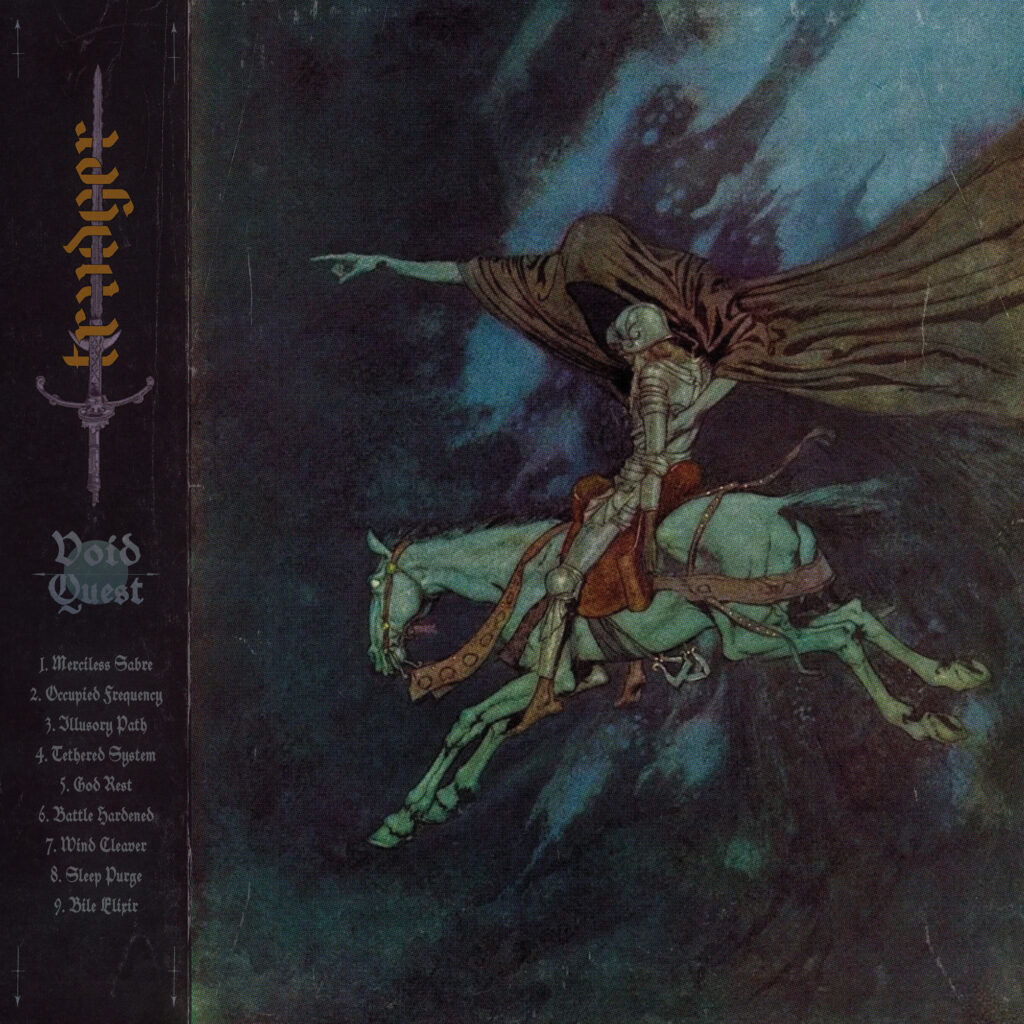
Void Quest is the newest release from Trudger via Floodlit Recordings, a Manchester-based small label headed by Pijn‘s Joe Clayton, and, after the first listen, it is undeniable that Trudger wanted this return to form to be something that feels fresh and new, whilst sounding eerily familiar and comforting. As much as your idea of comfort resembles raw energy, delicious sludgy riffs and gloomy lyrics about war, greed and all the things about our society that grinds our gears more than we would like to admit. The opening track, ‘Merciless Sabre’, spares us no time with pleasantries and takes us right back where they originally left off all those years ago. Chris Parkinson sounds as raving mad now as he did back in 2014, the rhythm section (Chris Leak on drums and Richard Matheson on bass) is as boisterous as ever, and Jack Kavanagh’s riffs are just as tasty now as they were then. It just hits you right in the feels.