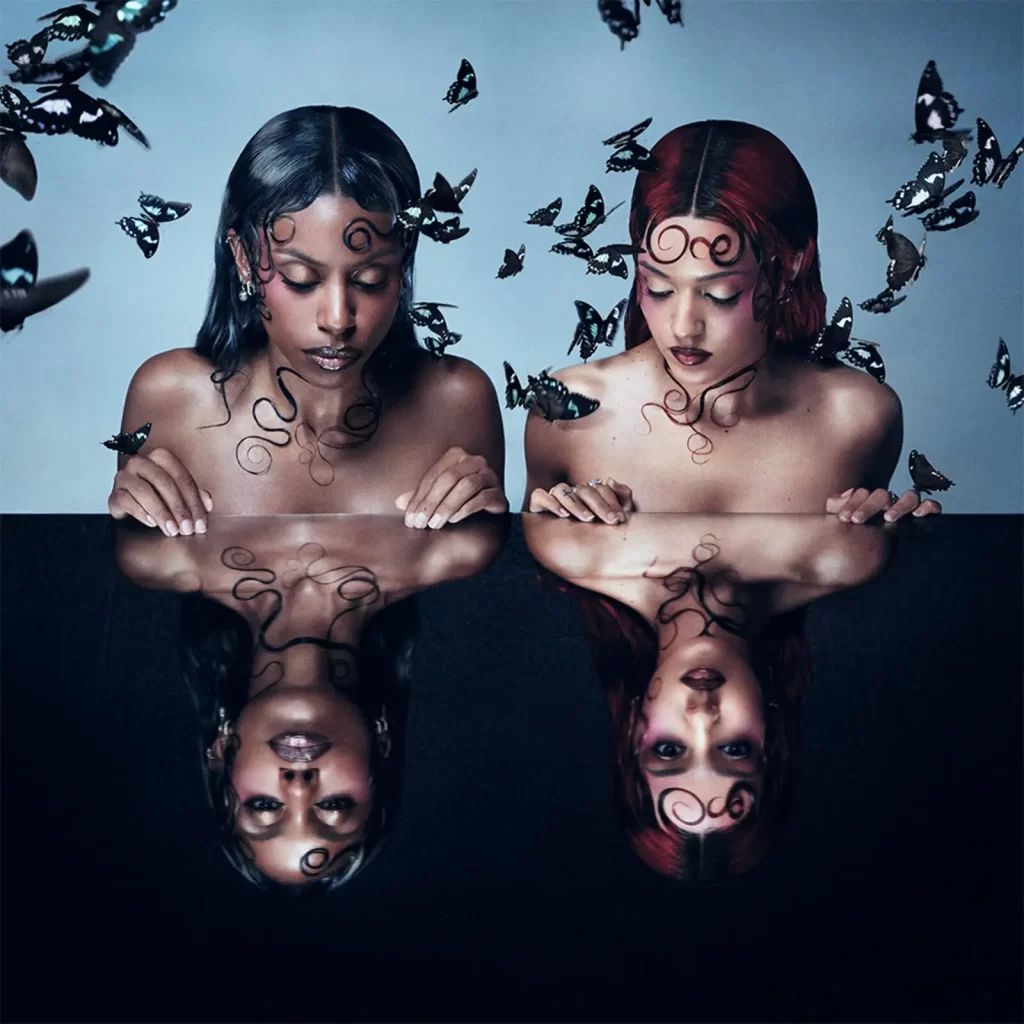
Whether it’s campaigning for the MOBO awards to recognise alternative music with its own category, or crafting their on-stage outfits under their fashion label Bad Stitches, London duo Nova Twins follow their own rulebook. In the three years since their last album Supernova, childhood best friends Amy Love and Georgia South have embarked on an exhaustive tour circuit spreading their unapologetic, boot-stomping blend of electronically-infused punk, rap and rock in support of Foo Fighters, Muse and Lenny Kravitz. And yet in spite of this success earned off the back of their first two albums, the ticking timer sine their last release had a growing sense of imposter syndrome rising to the surface. It’s this creeping uncertainty and the pressure to build on the momentum of their previous work which informs their newest instalment. Travelling to Vermont to produce alongside Rich Costey (Foo Fighters, Deftones, Charli XCX), recording for Parasites & Butterflies began under the passage of a total solar eclipse – a fitting scene for an album centred on persevering through uncertain darkness and self-doubt to find the light.
Ushered in by wavering distortion and ethereal echoes, grandiose opener ‘Glory’ features a gospel style melody from Love that showcases her range like never before as she evokes imagery of serpents and angels that match the divinity of her vocals. A knock and chiming doorbell signify the arrival of the first breakdown: a kick-ass explosion of distortion, fuzz and pounding drums in true Nova Twins style. The tracklist ebbs and flows between moments of bold braggadocio, anxiety and self-doubt best encapsulated by lead single ‘Monsters’. Love’s reverbed vocals soar above characteristically low, foreboding guitar fuzz, a powerful chorus on standing defiant in the face of your own demons bursting through the stuttering drums and agitated lyricism of the verses.
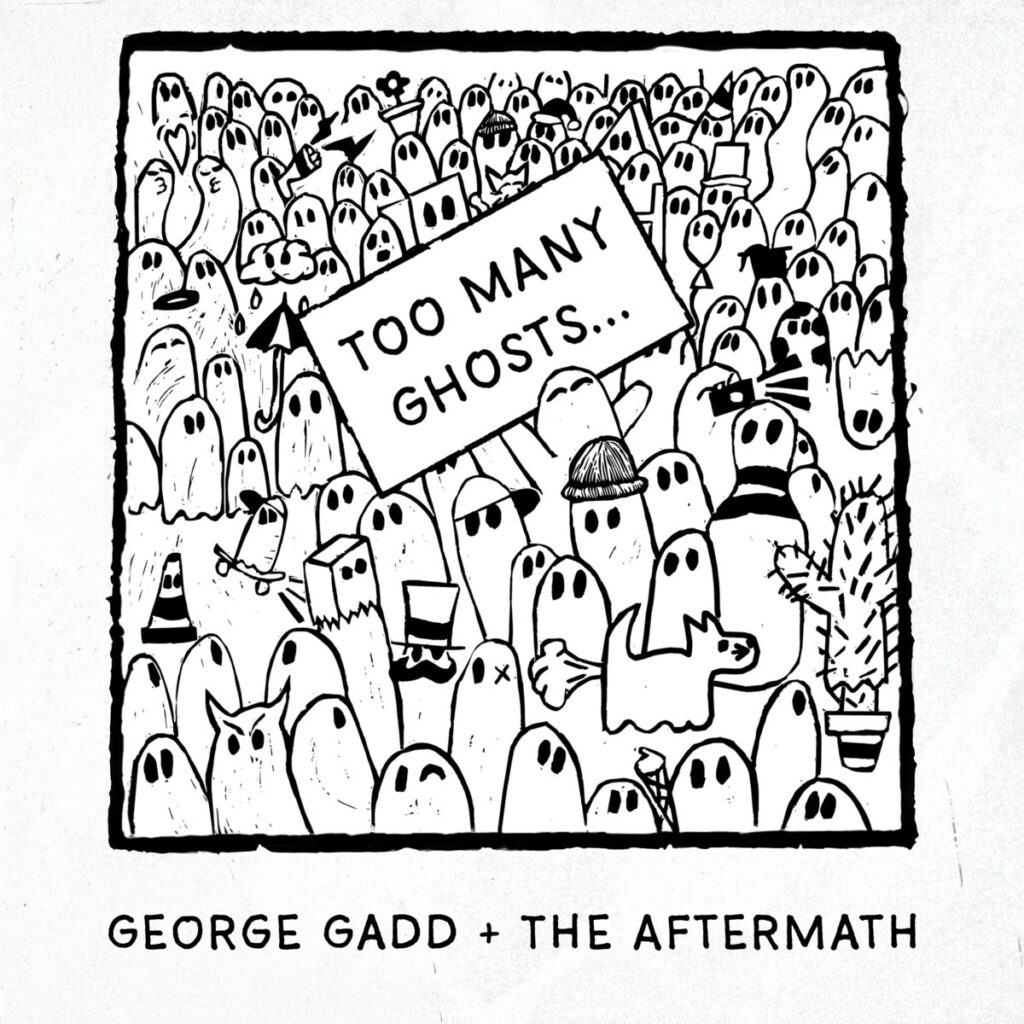
One would be forgiven in not being aware of the name of Gadd nor the individuals that form The Aftermath. But for those not loyal to Nottingham’s local scene or the wider national emo space as a whole, George Gadd and their merry gang have long been a welcome and warm presence in such respective spaces. Releasing music and performing all over the place for well over a decade now, Gadd has long spent years developing their earnestly humble approach to folk inspired emo and continuously improving and building upon their sound with each single, EP and gig. And that’s what makes Too Many Ghosts… just so brilliant. Rather than this being an awkward first offering from an act still trying to find their own feet and sound, this record is clearly a product of years upon years of development and growth.
Produced by Phil Booth (Martha, Onisid, Heck) and recorded in the tranquil hills of North Wales, here, George Gadd + The Aftermath know exactly to articulate the emotions that bind this record. More importantly however, they know how to get listeners to resonate and also experience such emotions. The fashion in which the triumphant opening and horns of the aptly titled ‘Square One’ flow seamlessly into the dichotomy between punchiness and introspection that forms ‘Not Human’ and following track ‘Sycamore’ makes such a sentiment inarguable.
Whilst these tracks wonderfully radiate the nature of growth and the type of development that can only be achieved over years, these songs and rest of the tracklisting of this album do ultimately feel time tested and tempered. Fans of Gadd will have no doubt heard renditions of a number of tracks here live over the years, but the manner in which these songs simultaneously feel fresh and a consequence of years of tinkering and tailoring is fantastic.
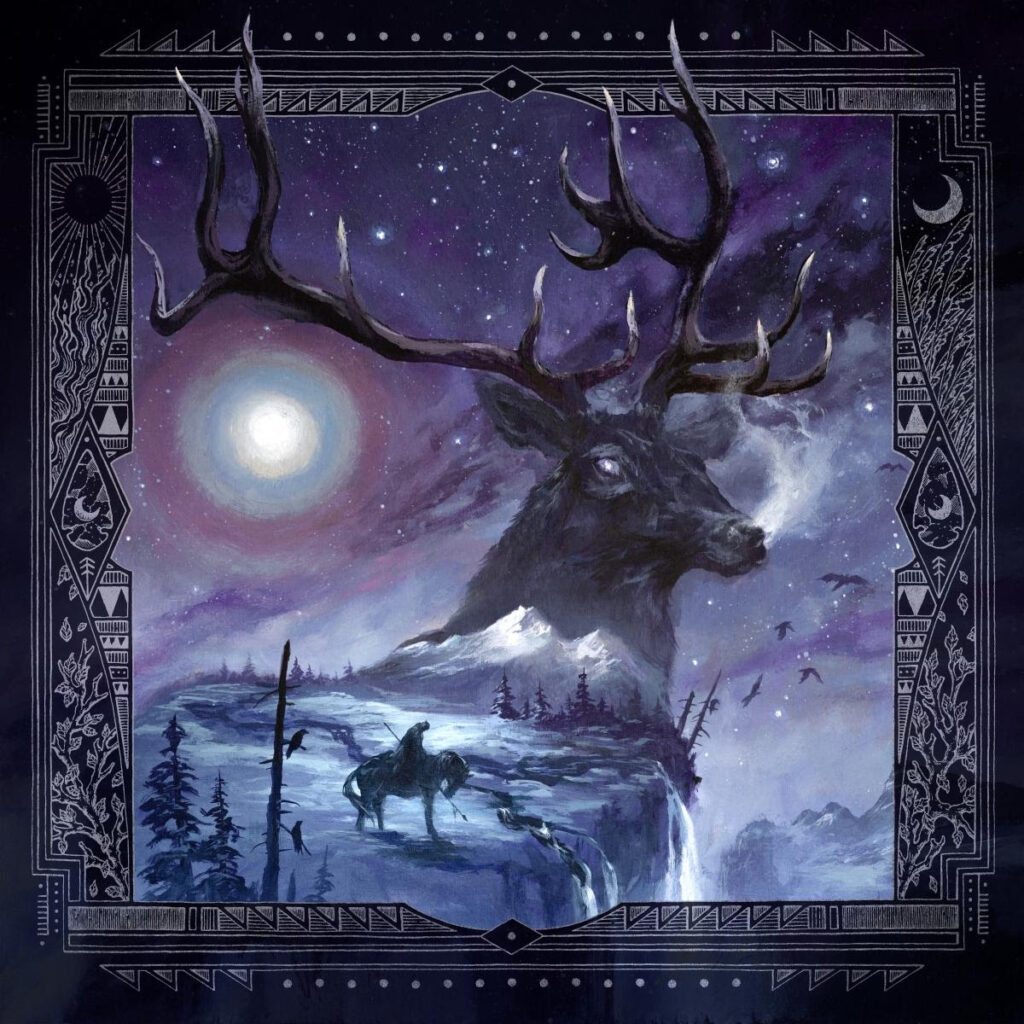
In a metal landscape that’s become increasingly genre-fluid and atmosphere-forward, Sgah’gahsowáh (Jon Krieger) – the creative force behind Blackbraid – stood out immediately. Krieger, the New York native whose Mohawk name means “The Witch Hawk”, had played guitar in various smaller bands for years before he set about establishing Blackbraid as a vehicle for his artistic expression. His 2022 debut Blackbraid I paired melodic riffing and raw emotion with an unmistakable sense of place, pulling from the landscapes and cultural roots of northeastern New York’s Adirondack Mountains. Its follow-up, creatively titled Blackbraid II, expanded that sound with cleaner, more muscular production and a wider sonic reach.
Now, barely a year later, Blackbraid III arrives – leaner, just as full of rampaging energy, and at times, more conflicted in its identity. While there’s very clearly still fire in the forge, the sparks fly with a little less intensity.
Opener ‘Dusk (Eulogy)’ sets a reflective tone, with a solitary guitar backed by a crackling fire building anticipation before the opening salvo of ‘Wardrums at Dawn on the Day of My Death’. It’s one of the album’s strongest tracks — tight, pummeling, and full of the melodic ferocity that first made Blackbraid compelling. The drumming, handled once again by Neil Schneider (who also recorded, mixed and mastered the project) is crisp and commanding, and the guitar layers cut through with purpose.

Cheerbleederz’s third EP Prove Me Wrong is yet another rallying cry of being at the crossroads that is transitioning from your late twenties into your early thirties. In the time between their debut album Even In Jest and the creation of Prove Me Wrong, all three band members experienced transformative life experiences such as grief, new relationships, and moving forward both physically as well as emotionally. These personal concepts have allowed the record to stand out victoriously and therefore showcase these raw, emotional lyrics set to upbeat, bouncy guitars, poppy harmonies, highlighting the importance of sisterhood between three friends in a frightening political environmental, whilst also letting go of people from the past who no longer serve you.
Prove Me Wrong also explores the unpredictability of life, especially on the song ‘Passenger Princess’ which is a three-minute indie banger about learning how to live for yourself, do things that make you happy, and giving yourself direction when life is unpredictable. The dynamic guitars and the whimsical “beep beep” backing vocals akin to classic 1960’s girl groups such as The Supremes and The Ronettes add a further sense of playfulness to the tracks message, and puts light on a concept which people worldwide have been struggling with since the beginning of time.
Every so often, when the wind is fair and the stars align, the right album comes along at precisely the right time. It may not be the album you wanted or went looking for, but it appears in the perfect time and place and captivates you regardless. In a world that is – frankly – going to shit on so many levels, you might think that the perfect album for our current end times would be some outlandishly grim slice of misery, of the sort metal does so well. But you’d be wrong.
What we have here is an absolute gem of an album. Thirty-four minutes of irresistible, irrepressible, twee-flavoured indie rock, full of bounce and jangles and killer hooks. It’s almost indecently poppy, cutesy, and uncomplicatedly uplifting, without so much as an eye twitch of cynicism and sarcasm. Earnestness and sincerity of this magnitude have been so far out of fashion for so long at this point, that even leaving aside the musical style for a moment, the sheer straightness of this is unusual. It’s almost a rebellious act in its own right; countering the inherently sardonic and pessimistic world we live in with heartfelt, wide-eyed indie pop that is the exact opposite of the prevailing mood. As such, Part of the Problem, Baby is a truly splendid antidote to the state of the world in general at the moment.
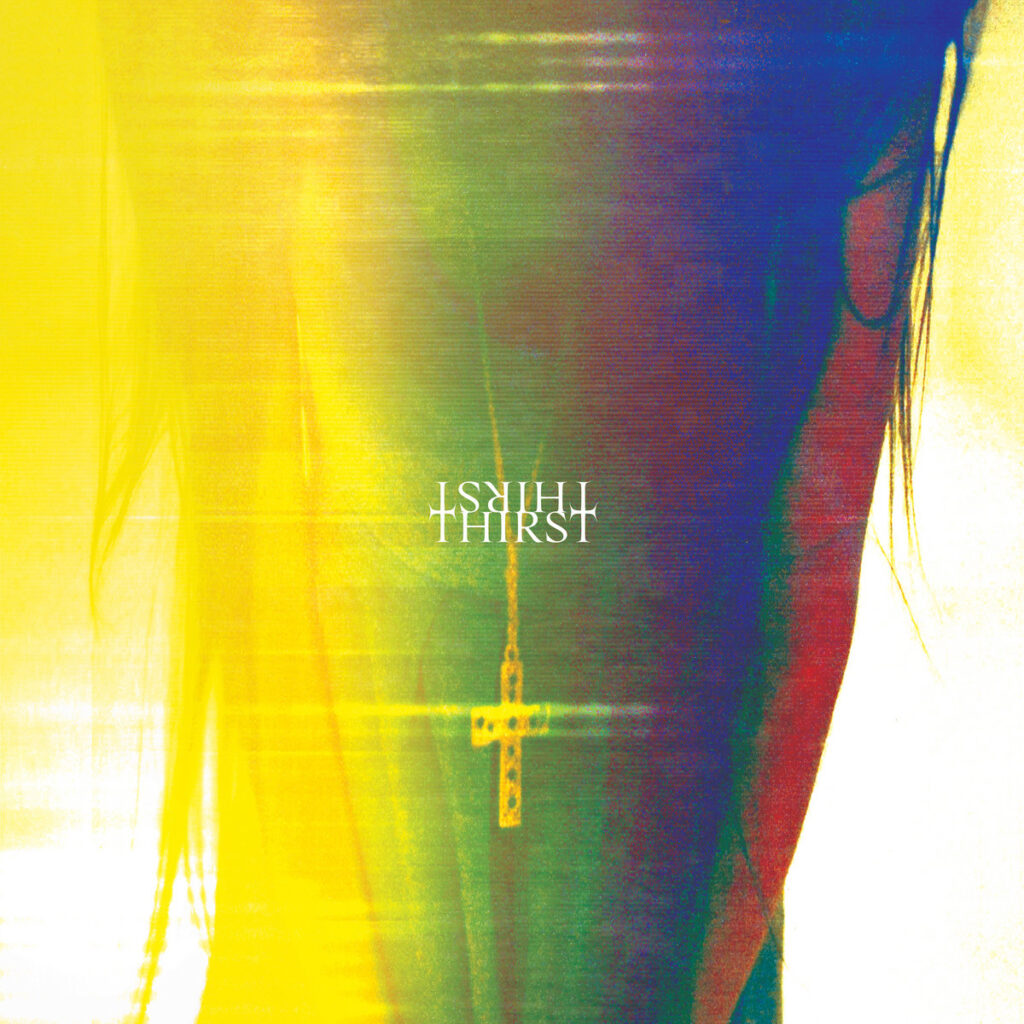
Seemingly forever in a touring cycle, the eternal nomads in Slow Crush have been the brightest beacon in shoegaze for a while now. Their last release being 2021’s Hush and after many miles travelled they have returned with Thirst, an emphatic exclamation point bringing a tectonic weight to a sound which has glistened and soared high into the atmosphere for years, but now hits the earth with meteoric impact.
Slow Crush are a conduit of consistency, having circled the earth many times bringing their glowing rendition of shoegaze twinkling and glistening into the consciousness of listeners. Thirst hits with more of a thud and crash from the very beginning. The title tracks opening snare sets us off into immediate ascension with a heaviness echoing deep emotionally exploration, where over the past four years the toil of constant touring is worn on the sleeve, with no more tears to shed and every fibre of human fragilities brutal delicacy felt to its fullest.