
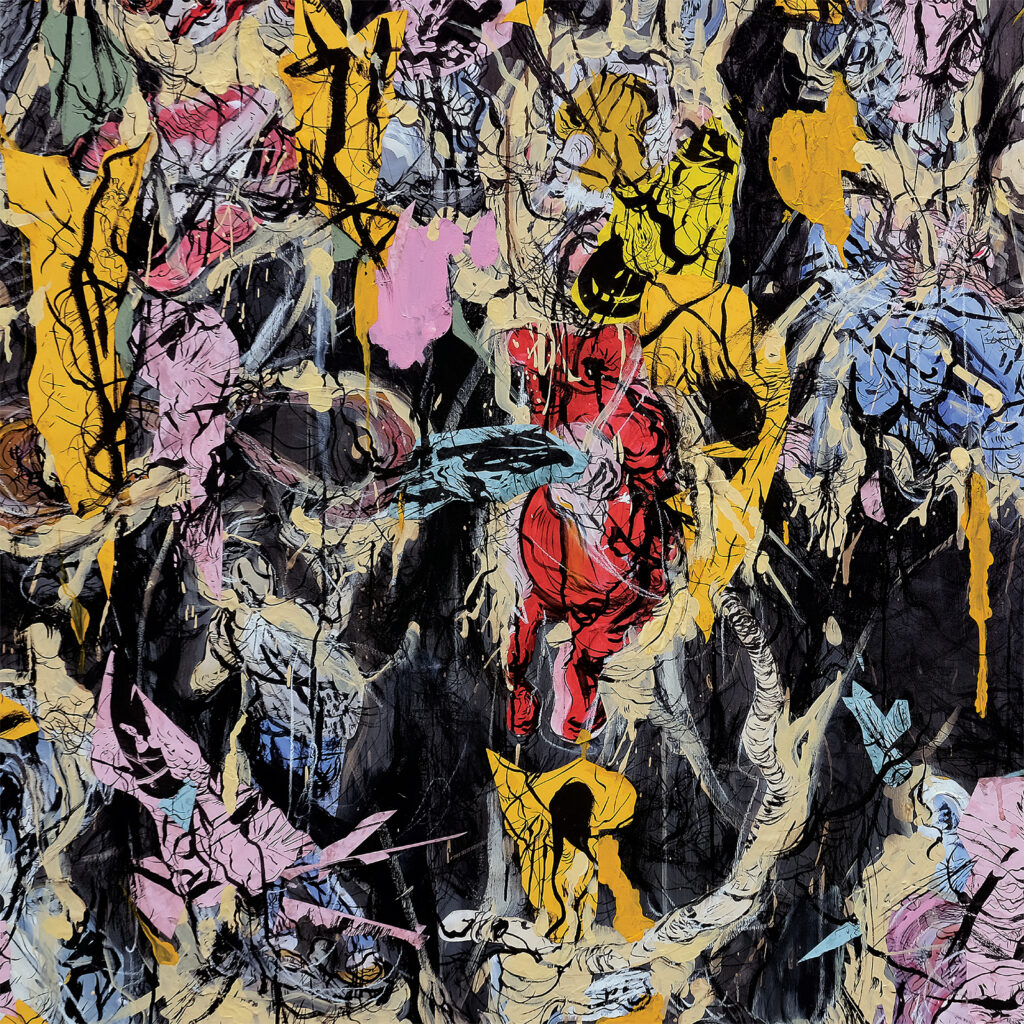
While both doomy post-metal supergroup Sumac, featuring members of Russian Circles, Old Man Gloom and Baptists, and jazz poet, activist and experimental punk Moor Mother have made a significant impact on their respective scenes, their worlds colliding may cause a bit of confusion amongst their respective fans. Although the collaboration seems a little unexpected on the surface, The Film demonstrates the full range that both artists are capable of, bringing together equally off-kilter but conflicting ideas into a mesmerising back-and-forth.
Introductory track ‘Scene 1’ opens the piece with a brilliantly left-field mix of thunderous riffs and passionate spoken word, slamming the two artists’ sensibilities together in an abrupt and alluring clash of styles. Moor Mother’s delivery wavers from a heavily processed and disconnected flow to an impassioned vocal breakdown over a backdrop of squealing, feedback-driven guitars for an intriguing preface to the album which seductively ushers the listener to get comfortable and allow themselves to drown in the noise. While “rap-metal” conjures images of spiked blond hair, baggy shorts and chugging riffs, Moor Mother and Sumac bring their expertise of the depths of experimental hip-hop and underground metal to create a totally new and compelling blend of styles.
Throughout the album it’s endlessly impressive how much sonic ground Sumac concede to Moor Mother and how effortlessly Moor Mother slots herself into a post-metal context. While an ambitious twelve minute track such as ‘Scene 2: The Run’ may seem extremely suited to Sumac’s low, slow and distorted brand of post-metal from the outset, the track steadily morphs into a vehicle for Moor Mother’s confident punk poetry reminiscent of her project Moor Jewelry before Sumac’s Aaron Turner snatches back the tracks’s reigns with his ferocious growled vocals. Whereas some collaborative albums can feel timid or restrained, like each artist refuses to step on the other’s toes, The Film embraces the tug of war between the two creative forces, pushing their respective boundaries into exciting new territory.
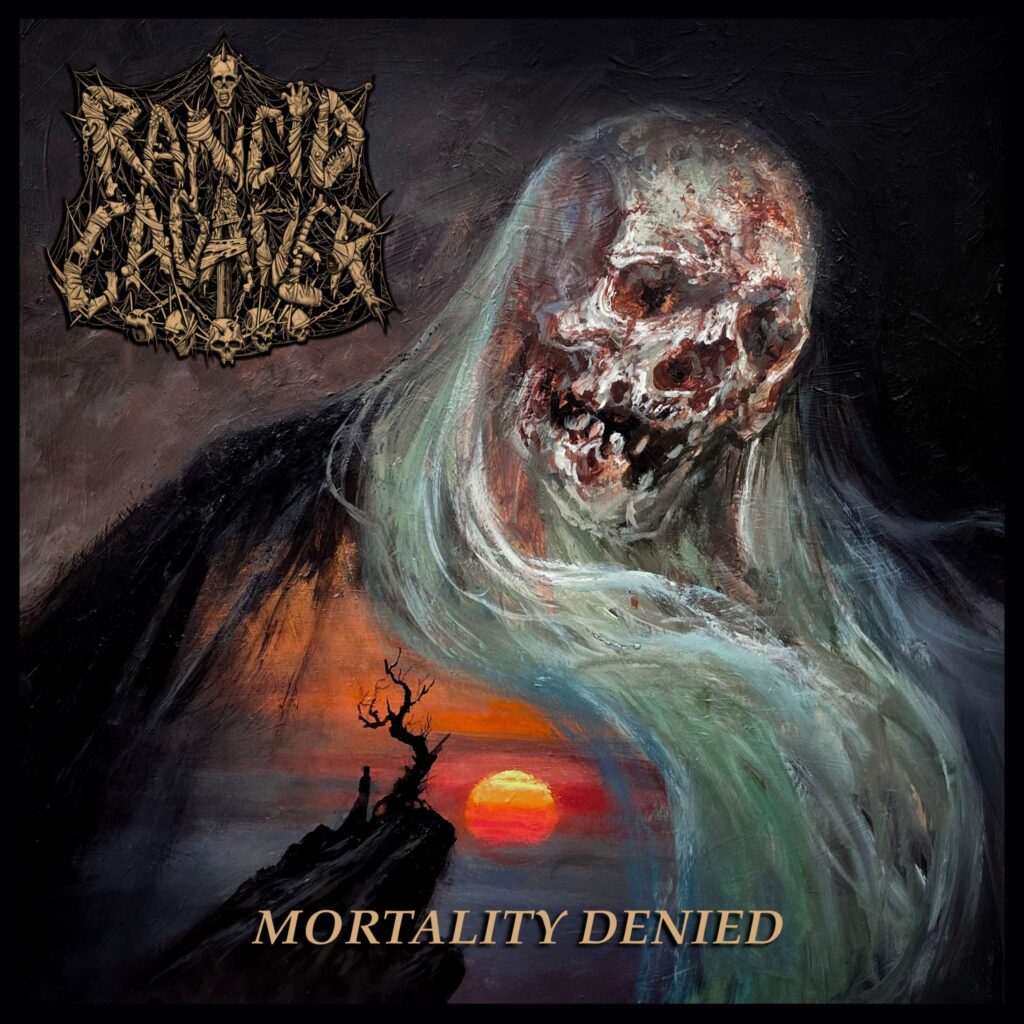
When an album greets you with the dialogue from some old schlocky horror movie you know you’re in for a good time, and Rancid Cadaver bring that in spades. Setting the mood perfectly, leaning into the campy ridiculousness of the voiceover warning of the “maggot infested corpse standing upright..setting its eyes on unspoiled flesh” only serves to make the eventual release, when the first track proper kicks in, all that tension disapated, all the more satisfying.
Sitting comfortably somewhere between the early ferocity of Carcass and the relentless power of Bolt Thrower, via a big old dollop of Morbid Angel, the Glaswegians show why traditional, old school, death metal in 2025 is still a vital sound.
The guitars full of buzz saw fuzziness, grind through some of the most pit worthy riffs you could come across. Lead lines not to show off technical virtuosity as so often death metal guitarists seem want to do, add texture and depth, supporting the flow of the song, almost fighting the gruff brutality in the rhythm. That’s exactly what you get from the opening of the title track, chaos, everyone competing for the limelight, it sounds messy in the best way possible, in the way that only death metal truly can. When it settles into into its mid paced, menacing, shambling, groove is when it truly shines. This is what death metal is meant to sound like, the tanked up big brother of thrash, and it doesn’t need to be much more than that, crushing skulls like they were beer cans, on and on like some machine built for war.
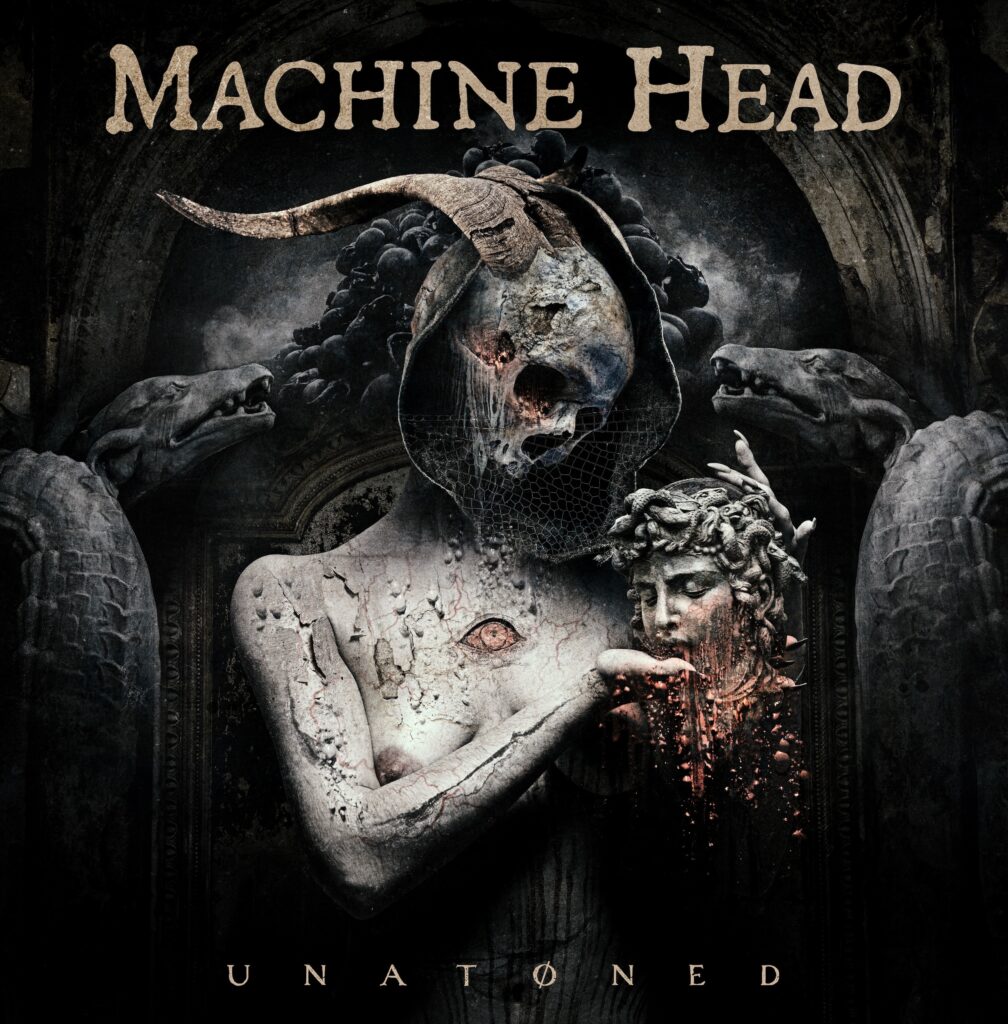
When Machine Head released their first single ‘THESE SCARS WØN’T DEFINE US’ whilst simultaneously announcing UNATØNED, you wouldn’t be wrong if you thought it was Of Kingdom & Crown part 2. But UNATØNED is its own stand alone effort. Keeping with the theme of capital letters and the crossed O’s, Machine Head took what they put into Of Kingdom.. and upped the ante.
The band are on their eleventh album and sorry to say to all the fans out there, they won’t make The Blackening part 2. But if you come into UNATØNED with the last ten years of the band in the back of your mind, then you won’t be let down. Opening the album with a solo atmospheric build up has never been the bands style. But on UNATØNED that’s where you’re thrown off the beaten path. ‘LANDSCAPE ØF THØRNS’, while a nice addition to softly draw you in isn’t really needed as ‘ATØMIC REVELATIØNS‘ starts with a small piano section that doesn’t even sync up.
But as UNATØNED gets underway, all that passes behind you. The serrated riff of ‘ATØMIC REVELATIØNS’ combined with Robb Flynn’s cleaner vocals in the style of ‘The Darkness Within’, you can already feel the energy from when they get to play this live on stage and the circle pits and violence that will ensue. The groove ridden chorus and thrashing melodies hit hard and fast and prove that Machine Head still have the fierce blood pumping through their veins even after twenty-five years as a band.
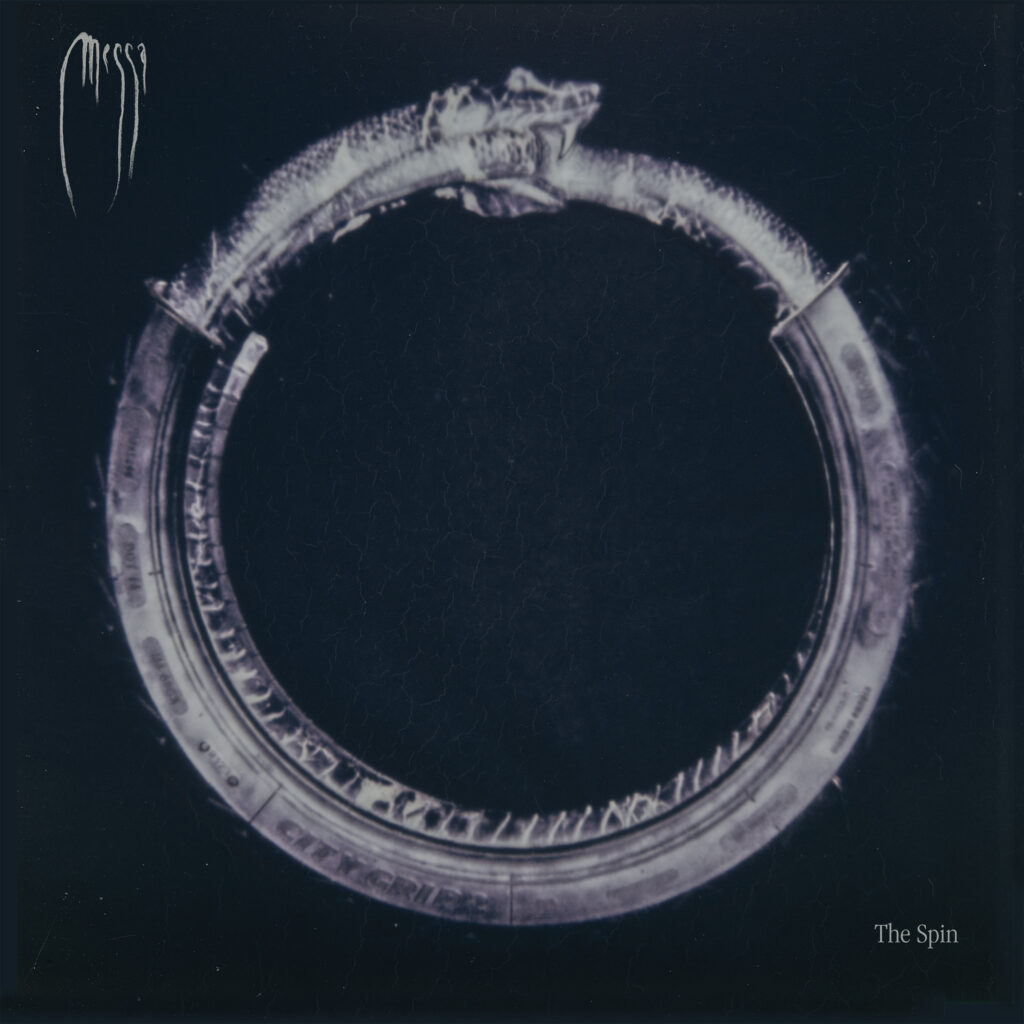
Although Messa have been a band for just over a decade, they already boast a flawless triptych of albums under their belt, each of them having their own distinct identity and each having reinforced their status as rising stars of the doom metal scene with a sound that is unmistakably their own, thanks to their sophisticated blend of doom, old-school heavy metal, jazz, blues rock and black metal.
Their previous 2022 work Close in particular, made ripples across the underground and garnered overwhelmingly positive reviews, praising the band’s conceptual songwriting and their ability to organically weave Middle-Eastern traditional folk into their sound, inviting listeners to trek through dreamlike arid landscapes.
Close presented Messa as a band ready to break through the underground, where they had already amassed a cult following, and take their shot at the “bigger leagues”, going from underground doom favourites to new metal sensation. That is precisely what The Spin aims to accomplish and succeeds in doing so.
Here, Messa have traded ouds and duduks for 80’s synthesizers and authentic recording gear of that decade as well as favouring a more streamlined approach to songwriting, putting more emphasis on vocal hooks and slightly more “conventional” song structures rather than sprawling progressive doom epics.
From the very first seconds of the album, Messa are keen on presenting this completely different vision, tone and approach for The Spin as ‘Void Meridian’ greets listeners with ominous pulses of analog synths before the song turns into a catchy post-punk opener, brimming with 80’s influences ranging from nods to Killing Joke or even bands like Mercyful Fate for the more classic heavy metal aspects such as the outro guitar solo.
Alongside shorter song lengths and emphasis on memorable, catchy vocal hooks, The Spin also feels slightly more guitar-focused than previous releases as there is a noticeable amount of times where Alberto’s dexterous and soulful guitar solos take the spotlight, which is in line with the band’s intention of re-creating some of the 80’s rock music tropes as authentically as possible in their own signature style.
Nowadays, guitar solos often risk being perceived as cheesy and out-of-fashion, especially if they serve no real purpose in a song beyond just flexing musical muscle, but Messa are able to make blues-rock or classic heavy metal inspired guitar solos cool again and each occurrence feels purposeful in tandem with Sara’s vocals and the background synth arrangements.
PUP have certainly been consistent with releases, having put out five studio albums since their formation in 2014 and consistently touring; they have remained emo staples with their brand of snarky, introspective punk and post-hardcore that was popularised in the mid 2010’s by groups such as Modern Baseball and Title Fight, have gained a cult-like following ever since and with their mature lyrical content on previous releases, it’s not hard to see why.
Who Will Look After the Dogs?’s intro track ‘No Hope’ is two minutes of ferocious emo perfection that stays true to PUP’s roots, with their iconic brand of rowdy gang vocals, nihilistic lyrics, and standout riffs that set PUP apart from the hundreds of pop-punk acts that have came and went since the late 1990’s. However, lead single ‘Paranoid’ may be formulaic for some, as PUP still stick to their trademark of bitter lyrics assumingly towards an ex-lover. But despite PUP sticking to a formula that resonates with many, the clear post-hardcore influence makes ‘Paranoid’ both a solid choice as a lead single, and an album standout that will surely go hard in a live show setting.
‘Concrete’ shows deeper lyrical prowess than what PUP fans may be used to, with frontman Stefan Babcock showing an impressive vocal range against groovy basslines courtesy of Nestor Chumack, all whilst Jeff Rosenstock’s feature on ‘Get Dumber’ combines his brand of wholesome zest with the heavy subject of substance abuse and the effects on loved ones. It’s here where PUP truly shine, with their signature approach of tackling dark and just plain bleak subjects with a sense of wit and hyperactivity being as engaging now as it ever was.

Benediction are one of the long standing legends of death metal. Formed in the dying days of the 1980s, the band alongside UK extreme metal heavyweights Bolt Thrower, Carcass, Cancer and Napalm Death helped form the core of the death and grind scene as it was growing alongside the burgeoning US and European extreme scenes. Having hosted various musicians in their line up over the years: Barney Greenway, Nick Barker and Dave Hunt to name 3 of the more well known names, the band from Birmingham have always provided consistency across their discography, blending the ferocity of death metal with the groove-laden undercurrent of thrash and the raw explosiveness of punk. For a more simple explanation, think the energy of early Slayer condensed into a no nonsense death metal approach. Uncompromising both in the studio and on stage, Benediction are a band everyone should take note of and with their latest release Ravage Of Empires, which celebrates their 35th anniversary, let’s hear the soundtrack to the ravaging of empires, a fitting musical theme given current geopolitical events.
11 tracks which last a total of 47 minutes details the downfall of the modern day empires, all delivered with a consistent and relentless intensity. From the opening drum fill and riff barrage of ‘A Carrion Call’ to the titular closing track’s titanic groove which crushes all underfoot, this album is a demonstration of how simplicity is just as effective as ludicrous technicality when it comes to the genre of death metal. What this album lacks in ridiculously intricate arrangements, djenting chugs and precise lead theatrics, it makes up for in the rhythmic execution and classic growling approach of the renowned Dave Ingram.
As stated previously, opening track ‘A Carrion Call’ opens with blistering intensity. The rapid fire drum fill into the full pelt groove riffs surges forwards with intent and it doesn’t let up. Even with the shift halfway through the track, it still hits hard and fast. Switching from punk driven energy to a more penetrating thrash like intent, before settling back down, it displays the consistency you expect from this band.
‘Beyond the Veil of the Grey Mare’ brings the listener into a non-stop assault of death driven groove. The thundering chords and pounding low end provide a suitable backdrop for the harsh snarls of Ingram as he paints a tale of suffering and misery, letting the track subtly drift into thrash adjacent territory but still remain firmly old school in its death metal sound. ‘Genesis Chamber’ opens with a haunting melodic arrangement which builds in intensity and creates a sense of unease. Ominous spoken words allow for the melody to gain an even more unsettling edge and soon enough, it explodes to life. The rapid riffing and cascade of thunderous bass and drums doesn’t let up. Brief pauses occur but it just doesn’t stop with its relentless charge forwards.
‘Deviant Spine’ continues in this theme. The crushing groove undercurrent driving it forth as it shifts from tightly controlled bursts of groove to briefly sustained chords to help with the pacing of the track, all driven on by a fantastic display of rhythmic prowess from drummer Giovanni Durst. ‘Engines of War’ continues this uncompromising rhythmic assault. The blitz of riffs and tight rhythm section combined with the snarling vocals paints a grim picture fitting of the songs subject. It’s not pretty, it hits hard with its straight to the point delivery and the thrash like undercurrents help drive it on like waves of infantry charges and armoured assaults, grinding away at all in its path.


