Hailing from one of the UK’s most vibrant and active hubs of experimental music, Benzo Queen have been making their mark for a while with their decidedly unserious blend of off-the-wall humour and deranged synth-punk energy. Recorded live on New Years Eve in Bristol, because watching Jools Holland’s Hootenanny is for cowards, Benzo Queen’s sophomore full-length No Gods, No Masters, No Sleeves delivers a rapid fistful of barely contained pandemonium.
Between their stabbing synths, frantic drumming and demented, screamed vocals, Benzo Queen’s sound is an unruly assault on the senses with plenty of groove and anarchic humour. Picking out individual bright moments is a demanding task in amongst all the loud noises and flashing lights, many tracks such as ‘PUNKS!’ and album opener ‘Wardrobe Malfunction’ build themselves up around a brief and catchy motif, bending it to its limits in less than a minute and running away when it snaps. While this rapid fire approach leaves little room for stretching a concept to otherworldly heights, Benzo Queen keep their electro-punk attitude intact while giving themselves the freedom to get a little wild with their ideas.
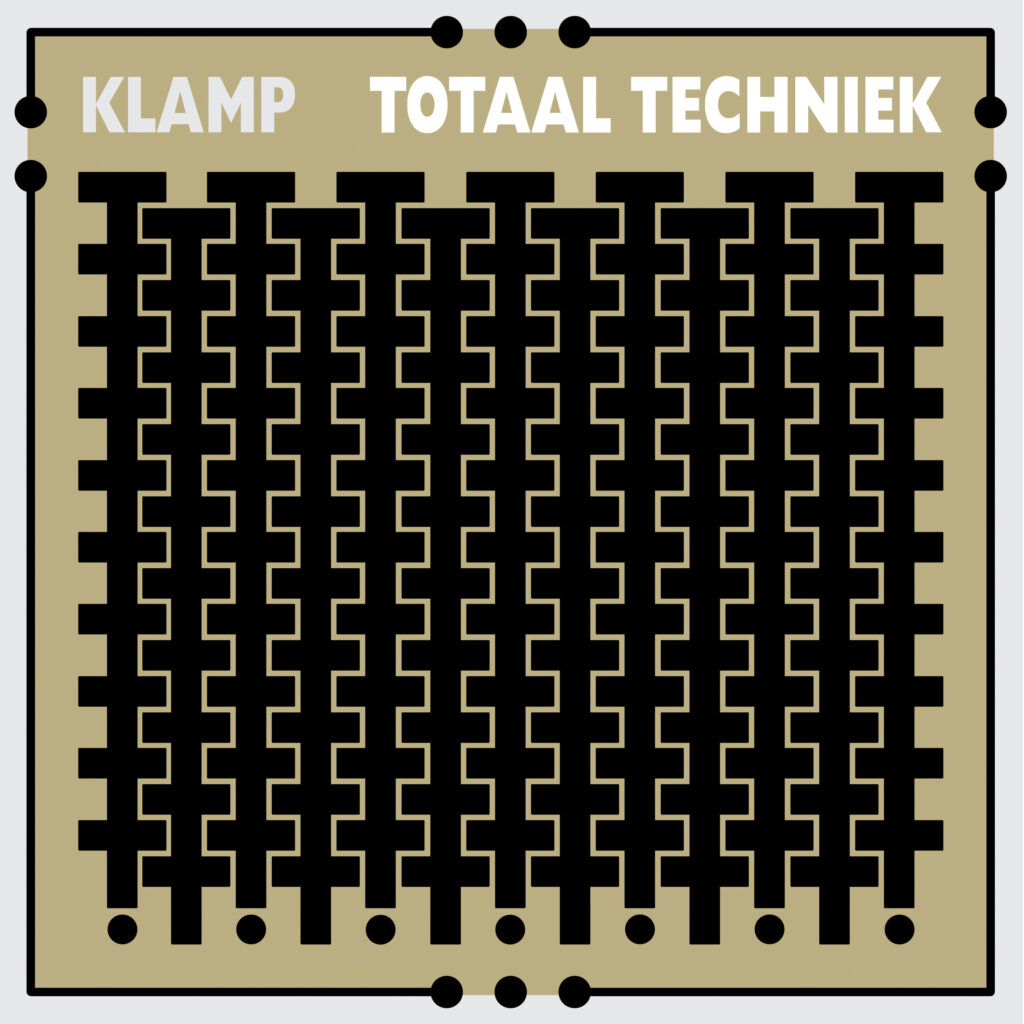
Avante Garde, a name which can haunt many listeners, will you get something so pretentious and self serving, made for people to say “look at me I’m interesting and different”? Or will you get something imaginative, inspiring, something that transports you to another place entirely? Thankfully what Klamp have offered up with their sophomore full length release is firmly in the latter category.
Repetition is the key word here, sounds, beats, riffs, you name it it it can be repeated time and time again it will be. Take the opening track, aptly titled ‘The First Song’. At its basic it is the same about 8 second riff repeated for 6 minutes and 20 seconds. It transcends being boring entirely though, so light and ethereal it is it’s become completely hypnotic, you can loose yourself entirely in this lush, shoegazy soundscape. If that wasn’t enough they’ve got the absolute audacity, to completely break it down, only to kick things up a gear for the final minutes of the track, bringing forth this massive beefy riff, low and slow and full of sludgy goodness. It hits unexpectedly breaking you out of the trance that’s been created until suddenly you realise, that’s the same riff, the one that’s been repeating this whole time but turned on its head, dirty and gritty but almost comforting because of how it’s been used previously.
Well, The Mars Volta are back, but rather than projecting the mental image of vast quantities of unregulated amphetamines and authentic Spanish rice and seafood dishes combined, their music has matured into prescription opioids paired with a dry Sauvignon Blanc and Argentinian grilled sirloin, but is this what The Mars Volta’s listeners really wanted?
The first time anyone heard this album was during their support slot of the latest Deftones tour. This can be considered a dick move. But it was sure ballsy, it has people talking about their set more than Deftones’ on their own tour! However, it’s not without considerable risk.. Imagine going to a Metallica show in 2011 and if all they played was Lulu for the first time. No ‘Master of Puppets’ at all, instead, you get ‘The Table’. This seems like a surefire way to create an arena filled with violent extremists, and justifiably so. But you have to respect The Mars Volta for the play. Unfortunately, with Lucro Sucio; Los Ojos del Vacío, the risk has just left their listeners feeling a little bit confused and melancholic, but this isn’t necessarily a bad thing. If the artists have left their listeners feeling anything at all, then their job has been accomplished.
Lucro Sucio begins with less of an acid jazz intensity blended with pulsating energy and a hyper insistence than we are used to from the beginning of a Mars Volta record. Instead, the listener is treated to an almost otherworldly drum circle type meditative crooning that wouldn’t go amiss in the jungle plains of Guyana, before a smooth talking preacher broke out the rusted vat of Cool-Aid and cyanide. Vocalist Cedric Bixler-Zavala demonstrates an absolute mastery over his encompassing range of singing, bouncing between helium enviable hights and somber wails with poignant lyrics that should resonate with any listener who has ever experienced desperately wanting something, and not getting it.
Known for their emphatic lyricism on society’s race from cradle to coffin, Teen Mortgage’s debut album Devil Ultrasonic Dream serves as a culmination of all their gripes with modern life. Taking inspiration from the Satanic Panic that swept through America in the 80’s for its title, the album arrives at a time when popular culture is similarly rife with divisive conspiracies seeking to oust those who don’t fit into a neat, specific mould. Described as embracing “the fantasy that Christian fascists don’t understand or want you to have” by frontman James Guile, Devil Ultrasonic Dream is a blast of surf rock, grunge and punchy hardcore punk from start to finish.
The titular opening track bursts through the gates with all the subtlety of a car tearing down the highway windows down and music blaring, immediately setting the tone for the album with furiously strummed riffs, pounding percussion and topped with a big 80’s metal guitar solo. With lyrics condemning the American military machine and their unwillingness to participate in it, ‘Party’ embodies the desire for escapism amidst times of armed conflict against a traditional, high-energy 70’s punk sound while also borrowing elements of surf rock for the melodic reverbed chorus. The discordant din of party horns playfully blended into the guitar tones throughout allow a glimpse into the band’s sense of humour, and perfectly encapsulate Teen Mortgage’s ability to pair serious messages with frenzied punk perfect for thrashing around and forgetting the nightmare of our current political climate.
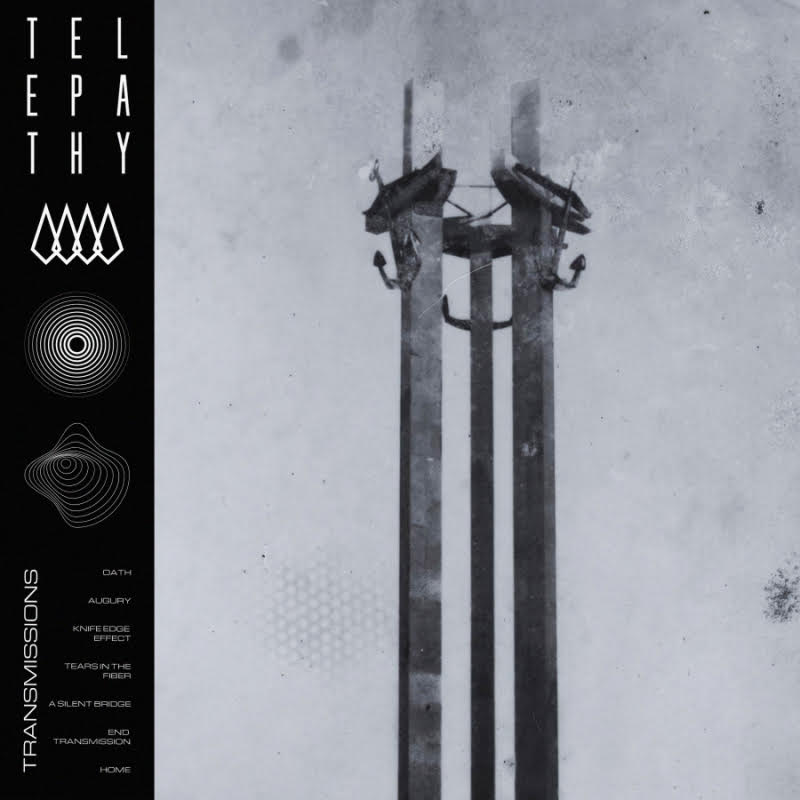
Crackling languidly into life from the static of the great beyond, Telepathy are here with a lost, mysterious broadcast that doubles as their fourth album, Transmissions. From the very first politely frantic voices wanting to know if and how this broadcast is reaching you (‘Oath’), to the last quivering finger click of ‘Home’, there’s a wealth of cultural and musical touchpoints here, ranging from the fairly straightforwardly post-metal, to an overriding sense of urgency and impending menace that is particularly fitting for the current political climate.
The most important thing to start off with is that Transmissions is a grower of epic proportions. Initial listens mark it as a good, solid album, but nothing life-altering, or worth writing home about. Spending a good couple of weeks in its company has changed this significantly, because over repeated listens Transmissions unfurls itself gently, like a new leaf. Things that went unnoticed or unappreciated early on start to creep out, and create a web of nuance that just isn’t there the first time you run through this album. Another fun, but less crucially important element in play here is that the samples used in Transmissions are in places so well chosen, that there are a few points where the album can actually be at least partially reviewed in its own words. Which is an interesting proposition to say the least.
Telepathy’s self-described flavour of atmospheric cinematic metal is a broad enough church that there are any number of comparisons that could be made here. The list from the band themselves includes, but is not limited to, Tool, Russian Circles and Vangelis, although realistically the overall sound covers enough post-rock and post-metal ground that any instrumental, cinematic band in either genre is likely to have a fair bit in common with Telepathy. Nordic Giants, for example, spring to mind from a cinematic point of view, and because big swathes of Transmissions sound like they’re the soundtrack to something, and have been forcibly parted from their visuals.

This band is notorious for playing around with their art. Animetal encompasses what this band stands for wholeheartedly. Each track embodies its own Anime characteristics, resulting in a captivating uniqueness. From heartache to rage, the listener takes an emotional journey punctuated by well-placed “bleghs” and chainsaw riffs.
The album bolts out of the gate with the title track ‘Animetal’. The raucous, repetitive choral of ‘Animetal’ takes no prisoners, and sticks in your brain for days. The record flows in waves. Tracks following the opener, although pack a punch melodically, attention reverts to that Animetal chant from the first track. Fear not though the wave crashes again with ‘Bitter Embrace’. In a technique Within Destruction have all but mastered it is beautifully balanced between clean vocals and whispering growls. All this while being emotionally vulnerable, and maintaining ominous undertones by incorporating synths. This track also returns with a catchy hook to play on the mind with “Now my soul disintegrates”.