Shlug have described themselves as ‘an uncompromising amount of noise fighting to be heard’, and you can’t describe their music any other way. Whilst their roots remain firmly in the noise rock category, Eat God In The Death House has kept their core beliefs close to their chest while expanding their repertoire. The opening, and EP title song, is the best case to explain Shlug. For two minutes vocalist/guitarist Ellis Acton-Dyer speaks barely above a whisper in an almost spoken word section with clashing sounds growing ever impatient to be let out of containment
As soon as those two minutes are up, the chaos truly begins. Francis James drums explode as Acton-Dyer’s vocals cut through the buzzsaw mix in pure terror. Ethan Poole’s bass tone is thunderously deafening. The entire Ep doesn’t pull any punches. It’s noise rock heaven, Acton-Dyer’s guitar tone in particular savages through ‘Saltscare’ to an almost incomprehensible point. And that almost spoken word section from the title track? They’re splattered across almost every song. Some may think it would be Shlug padding for time to stretch the EP out as long as they can. In fact, it’s the only respite they offer you.
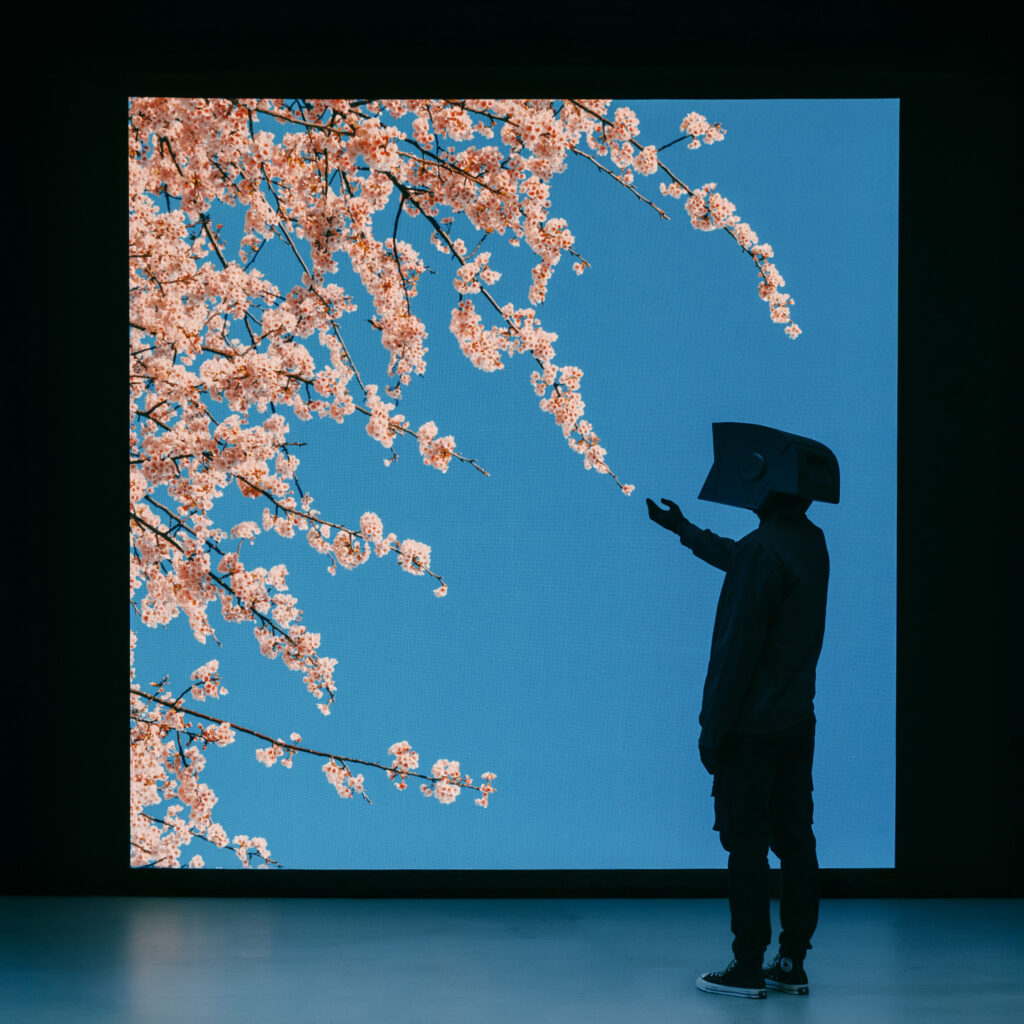
In the wake of previous album Holocene and its touring cycle, The Ocean went through upheaval as a number of members departed, including singer Loïc Rosetti and drummer Paul Seidel, who had helped define their sonic identity over several albums, including the beloved Phanerozoic double-header. Rebuilt by bandleader Robin Staps, the lineup now features two vocalists in Enrico Tiberi and Lane Shi (aka solo artist otay:onii and ex-Elizabeth Colour Wheel), alongside new guitarists Emmanuel Jessua and Marco Gennaro, and new drummer Jordi Farré. With such a tectonic shift in personnel, doubts and concerns around the ongoing sound were inevitable – and Solaris not only puts them to bed but also makes people doubt why they were worried in the first place.
Its opening track eases in, harkening back to the more electronic-driven sound developed with Holocene, though with lines that will be called back to across the album (such as “milk of my dreams”, which appears as its own song and in the epilogue). ‘Departure Song’ is the first song proper, and you’d be forgiven for thinking Loïc was still in the band, so similar are his and Enrico’s voices initially. Once Lane Shi enters, though, it’s immediately apparent just how much she adds to the band.

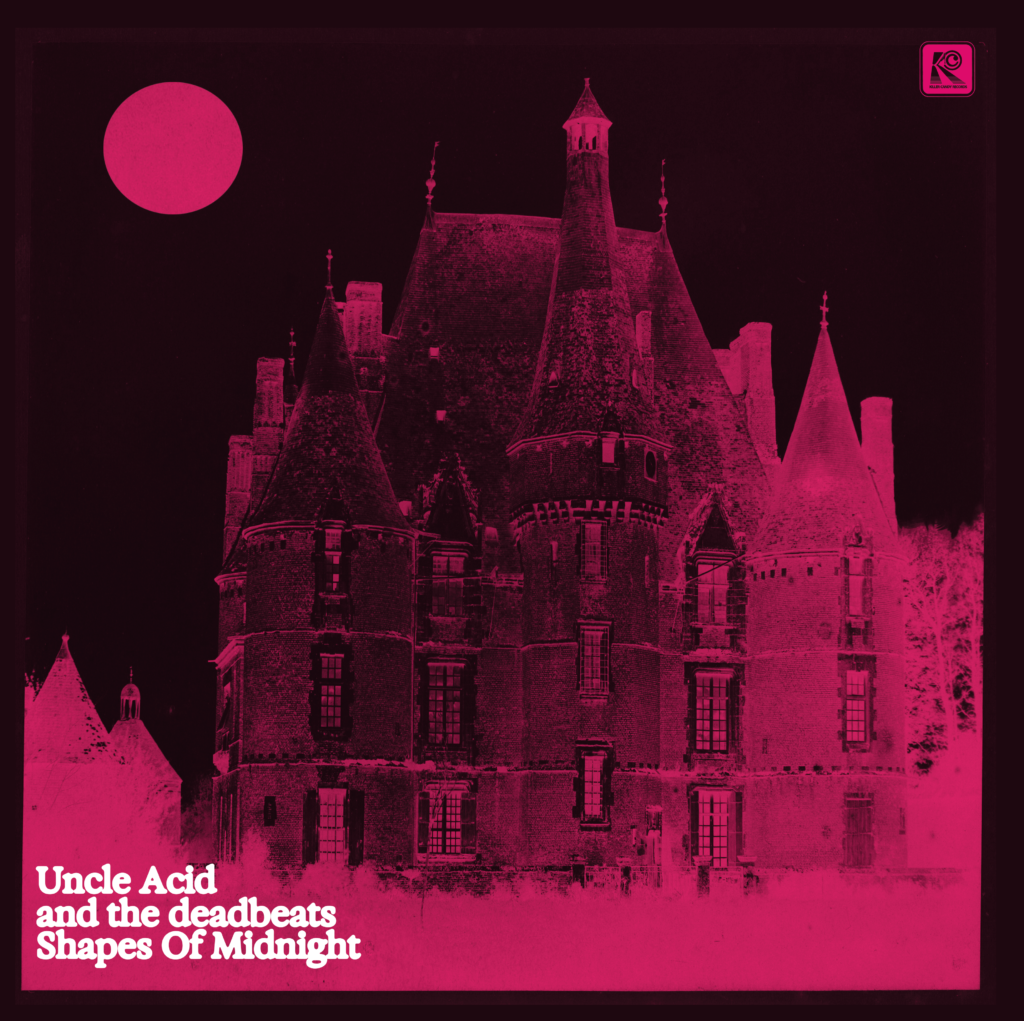
When Uncle Acid and the Deadbeats teased a release for 2024, not many expected what arrived in the form of Nell’ ora blu. A soundtrack to an imaginary Giallo film (a subgenre of Italian exploitation films from the 1970s), it was a complete departure stylistically from everything you’d come to expect from the hard rock leaning, vintage fuzz loving doom cult. What felt like an ode to progressive legends Goblin (famous for their multitude of Giallo soundtracks), the album was heavy on synths, saxophone and noir spirit that made for an incredibly stylish departure. Partly inspired by Poe’s ‘The Masque Of The Red Death’, Uncle Acid are back to their roots on Shapes Of Midnight, but not without employing many lessons learned on their previous detour.
The album opens in classic Uncle Acid fashion with ‘House By The Grave’, occult rock inspired hard rock psychedelic riff worship with massive grooves and the throwback vocal melodies we’ve all come to know and love over the years. Ripping guitar solos and classic hard rock stomp will be a breath of fresh air to those who felt the last album’s avant-garde approach was not to their liking. The Deep Purple-esque double time switch in the last few minutes gets Shapes of Midnight off to a ripping start. The title track has hooks for days, the middle break with rhythm shift and spacey synths into a driving Sabbathian passage, with a massive vocal melody feeling distinctly Ozzy-inspired, working its way into a regular hum. Followed by twin guitar harmonies into a lengthy solo, massive classic heavy metal energy.
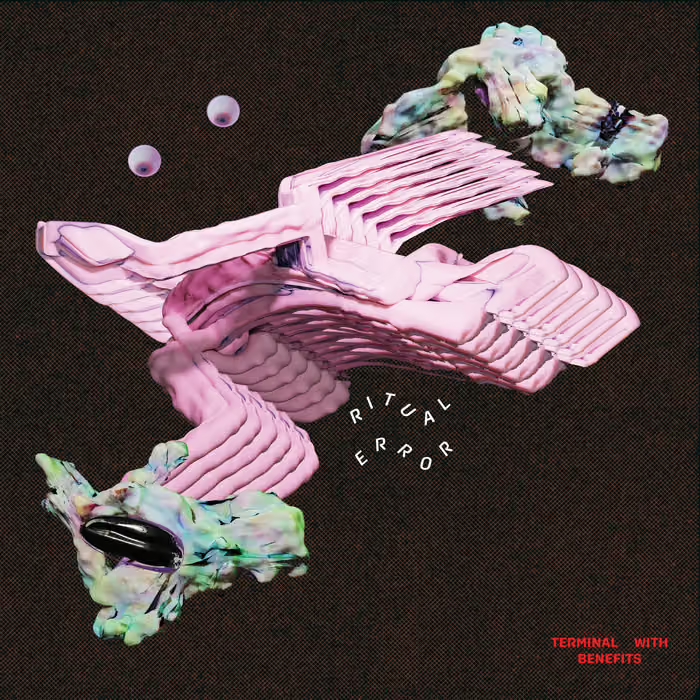
Before the likes of My Chemical Romance and Fall Out Boy exploded into stadiums 20 odd years ago, emo meant something completely different to what it’s thought of today. Back in the 80s, it instead referred to a group of bands pushing the limits of hardcore punk beyond three power chords with a greater emphasis on personal reflection and introspection. This movement was called ‘Revolution Summer’ and consisted of bands such as Rites of Spring, Embrace, and Gray Matter. 40 years on, London post hardcore three-piece Ritual Error are bringing the noise rock influenced sounds of 80’s emocore into the 2020’s, and have spent the past few years making ripples in the UK’s DIY scene and beyond, including three appearances at Manchester Punk Festival. Two years on from debut album Dial in the Ghost, the band have returned with their sophomore album Terminal with Benefits, a release which realises the potential displayed on their debut.
The album’s key characteristic is the discordant and angular guitars. Frontman Okala Elesia employs a combination of some aggressive and snarling chords with some unsettling single note arpeggios. In spite of their unnerving qualities, there is still an element of melody buried underneath the distortion and snarl. The guitars are backed up by the rhythm section with bassist Allessandro Incorvaia quietly keeping the rhythm whilst also adding some more warm sounding textures that help to make Okala’s guitars stand out a little bit more. These elements combine with drummer David Thair’s pounding rhythms, guiding us through the chaos. A great example of these qualities can be found in the fourth track, ‘Domestic Pattern’, and lead single, ‘New Slime’, both of which move through a variety of dynamics throughout their duration and have each member giving it their all.
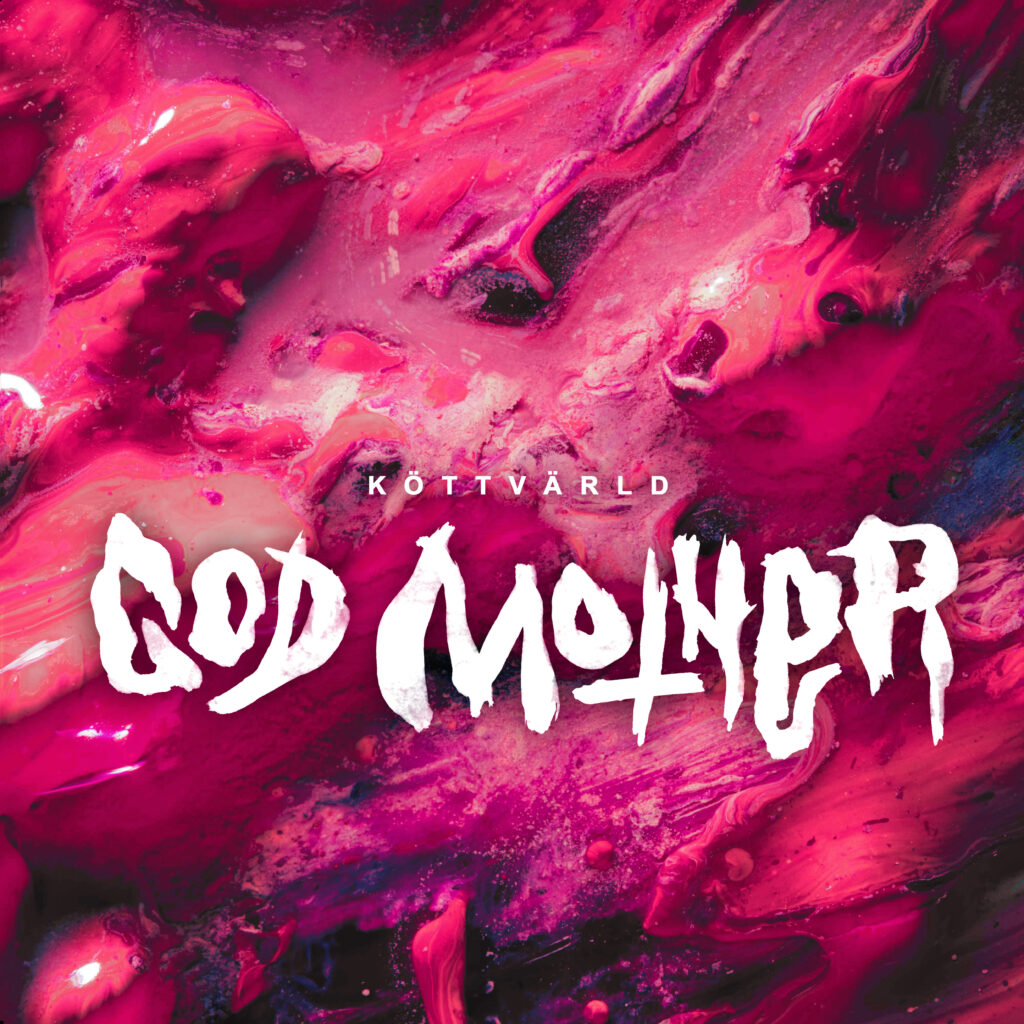
Though they have shown themselves adept at Converge-esque metalcore and grindcore on prior releases such as their debut album Maktbehov and its follow up Vilseledd, on KÖTTVÄRLD, God Mother further incorporate elements of noise, post-punk, classic rock and even a saxophone solo into the mix. Where they excelled in the art of crafting incredibly confrontational music before, they have added new tools to the shed and sharpened them to a point. Previously, the band’s chaotic energy allowed them to create a blistering atmosphere, akin to being repeatedly bludgeoned to death by a morning star, but their songwriting on KÖTTVÄRLD is finely honed, razor sharp and focused, still brutal, but with a touch of elegance and finesse. The arrangements are inspired, and you can clearly see that their near decade and a half of live experience has helped to shape these songs, as they seem to ebb and flow effortlessly. Whether their influences have diversified over time or they have simply sought to create a more eclectic and expansive release this go-round, time has been kind to Sweden’s most aggressive export.
In holding space with the album’s dreamlike, emotionally dissonant atmosphere, the processing of certain tracks’ architecture left much to be mulled over.