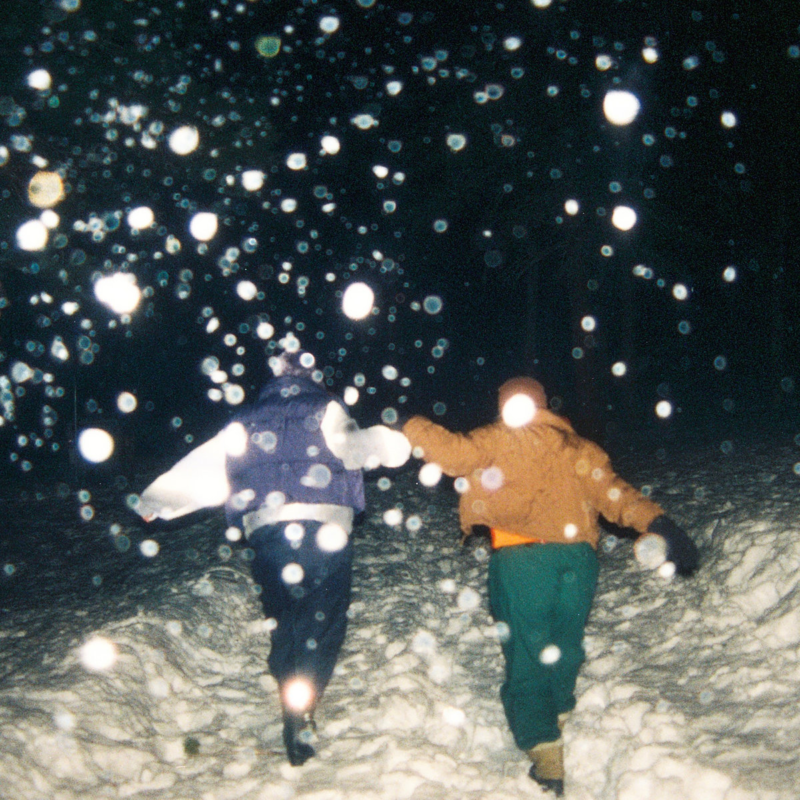
WARNING: Reader and listener discretion is advised due to the content of this album.
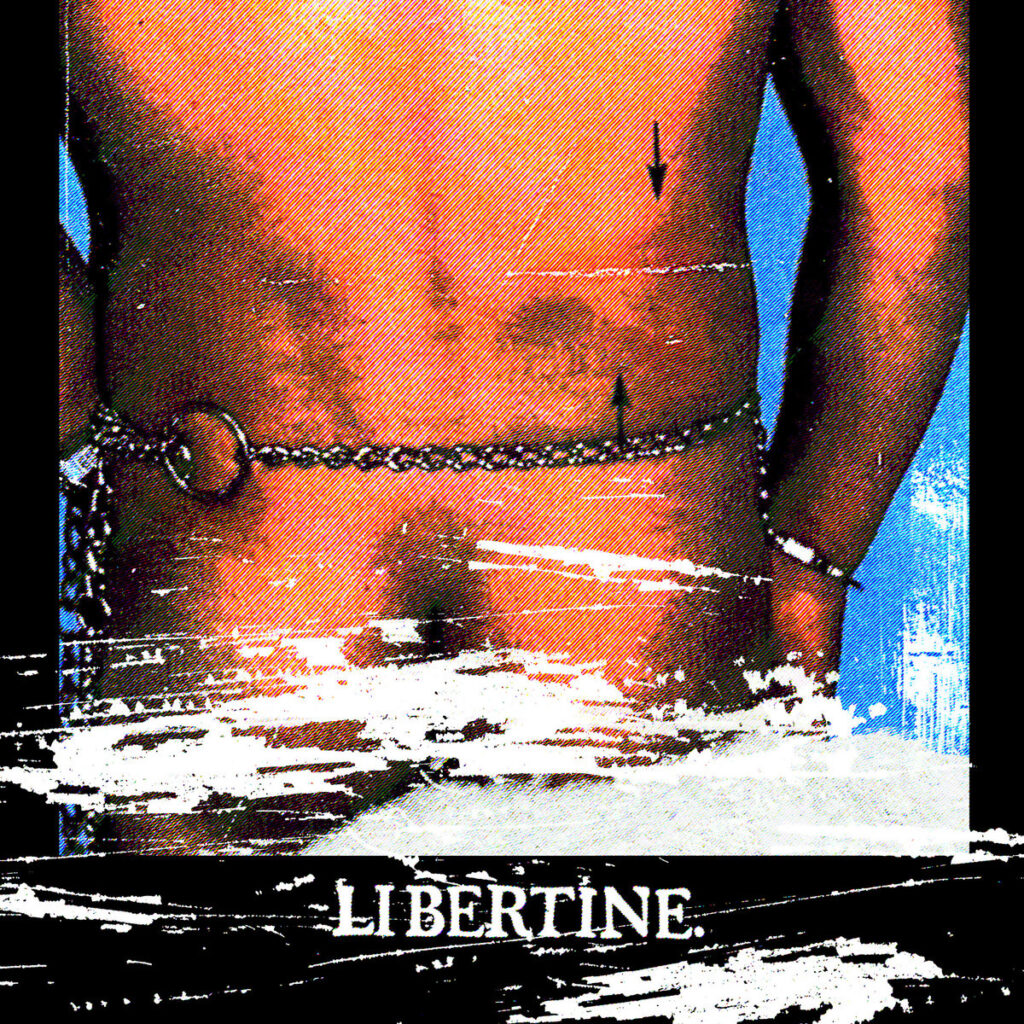
When was the last time you had an advisory warning for an album? Not one of those silly black and white Parental Advisory labels that mean next to nothing these days, vulgar language or the goofy gore of death metal albums don’t have the same impact they once did. However, with Foreign Body, they take inspiration from the French literary tradition of the early 20th century, Libertine, the album’s namesake, to not shy away from the harsh conditions of the real world.
‘Strung Out’ gets things off to a heated, if somewhat approachable, start: one minute and forty-five seconds of noise rock and punk crossing over; the sense of unease creeping in with a noisy and irreverent saxophone performance driving a sense of twisted desperation trying to survive a heroin drought. Things take a sudden bleak turn as the second track, ‘White Lord Of Hell’, hits the listener with a cold open sample of someone experiencing grievous bodily harm in full detail, said to be inspired by a story of a family member getting “stomped out trying to buy cocaine in the Bridgeport projects” and the proverbial cliff the band step off before plummeting into musings on depravity and the nasty side of life no one wants to acknowledge existing. Angular hard punk riffs and an irreverent distinctive vocal performance keep driving the unceasing three-minute face melter and set the tone of the forthcoming experience: depravity, discomfort and unease.
This is immediately reflected in ‘Passed Around’, another white knuckle noise punk endurance test, lyrically blatant and the first point on the album that comes close to being too uncomfortable to experience. Fortunately the band offers a reprieve; ‘Hind Legs’ delves into sludgier territories, barrelling straight into a monster groove. The entire track almost feels reminiscent of Electric Wizard and Uncle Acid if they were exclusively into railing lines of bath salts. The track locks into a psychedelic nightmare as the vocals arrive, from a performance and lyrical perspective, wandering the darker points of animalism that may linger in the shadows of our own minds.
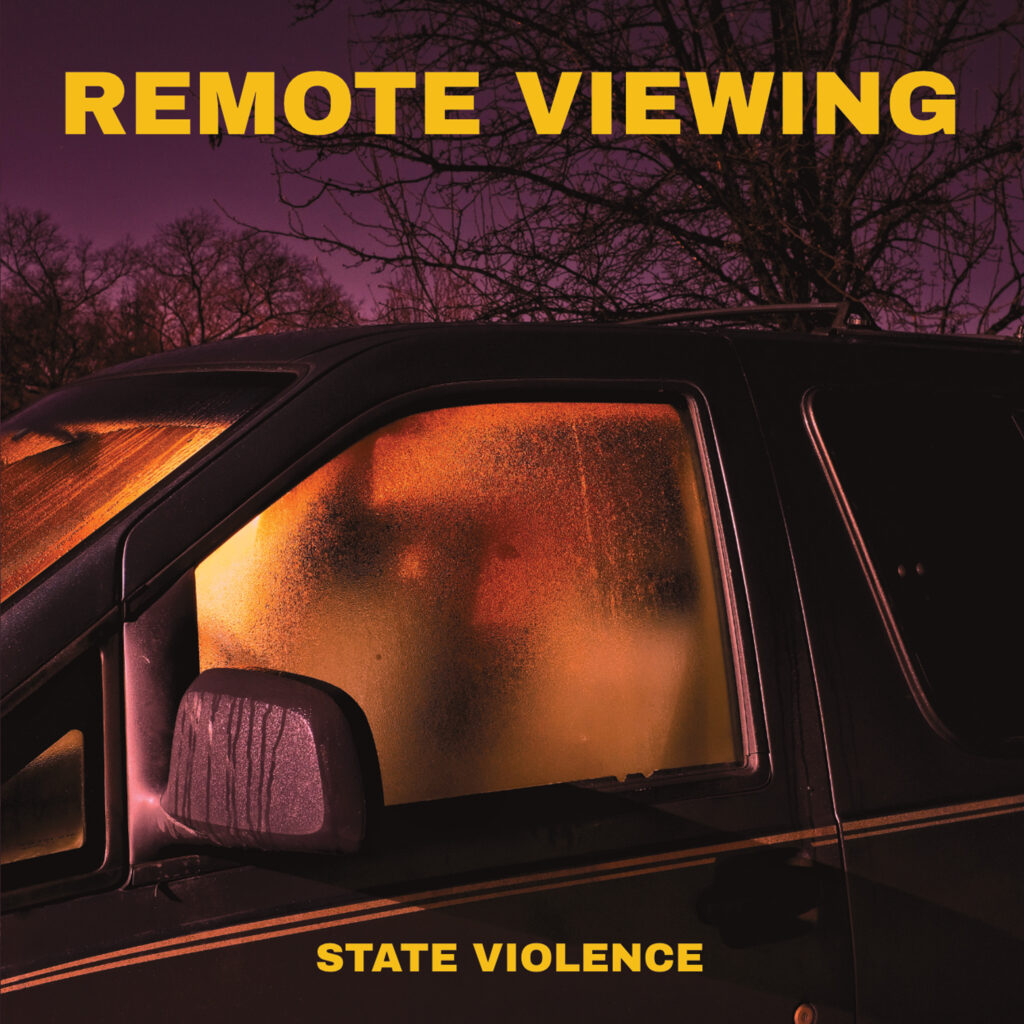
However, we really don’t need that sort of introduction for the sludge behemoths that are Remote Viewing; you already know how hard they go, and you’re already on board. Right? Right?
The new album kicks in like any should, a meagre, clean, dirgy entry into a slamming, alarming slab of sludge that is some of the best we’ve seen for a long time on these cold, frigid shores. ‘#makemoneymakelovemakemoney’ is as good as an opening track, as it gets setting out the stall with moaning, trans-dimensional efficiency as it stomps through its five or so minute romp fest of existentially challenging sludge.
And it doesn’t stop there; what follows is 40 minutes of challenging but ultimately cathartic sludge metal, designed and laid out from the members of various well known bands across this great isle. It shouldn’t be ignored; honestly, we don’t think it can be ignored in its forthright indignation, in its molasses of a sound. It drags you in and holds you there whilst it pummels your face into understanding and believing what it’s putting forth. This is a monster, and once unleashed it’s unstoppable, like a shambling slime beast, bred from the depths of a wailing society, set upon us for if only to make us feel something again other than the crushing despair we are waylaid with on a daily basis.
Returning to a more expansive sound akin to that of her earlier releases, she employs a host of stellar guest musicians and more than delivers on that goal, with an album that is richer, fuller and more eclectic than perhaps ever before.
From Jess Gowrie’s (Chelsea Wolfe, Mrs. Piss) sorcerous drum work and the extraordinary guitar playing of Gina Gleason (Baroness) to the mesmeric vocal quality of Amelia Baker (Cinder Well), the album is populated throughout with friends and peers, gifting vitality and vibrancy to an already prismatic body of work.
With one eye on the past and one on the future, Emma evokes the expressive qualities of alternative ‘90s music and grunge, as well as the more existential dimensions of her previous work. Furthermore, the usual hallmarks of her sound are augmented here by an almost spiritual quality, at times both intimate and personal, but looking outward, striving for connection. It is a deeply profound and moving album, and it could well be Rundle’s greatest achievement yet.
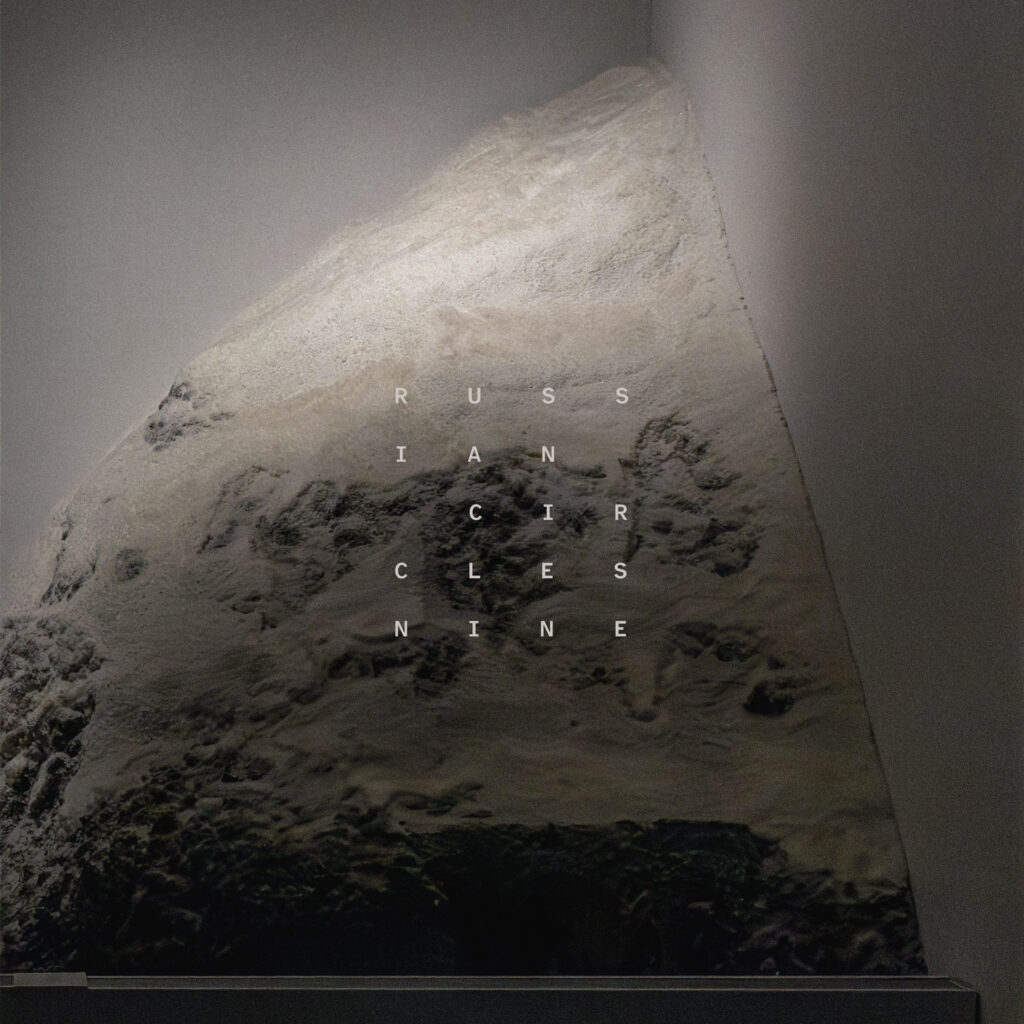
Nine albums, particularly in a niche so seemingly niche as instrumental post-metal, are already impressive. Russian Circles are legends within that niche for a reason, though. Across their career they’ve established a trademark sound based around layered, looped guitars to create tectonic weight and still gone just off-piste enough to keep things fresh every time. With the imaginatively titled Nine, the most impressive thing is how Russian Circles demonstrate once again that they remain unmatched in taking a small niche and contorting it into new forms that never succumb to self-indulgence and pack a surprising amount of hooks.
Opener ‘Borehole’ is tense and foreboding at first, a simple melody that warps gradually until transforming into a pummelling riff. Though the pacing is slow, it’s not dull. Russian Circles are adept at navigating small changes in melody and keeping them engaging by varying other elements, from changing drum patterns to tempo shifts. Much as its namesake, the song bores its way in, a subtly engrossing listen. ‘Empath’ and ‘Eluvial’ are some of Nine’s best moments; the former delves into thrash and death metal, muscular riffs propelling the song and a relentless, chugging quasi-breakdown.
Russian Circles have always made the case that riffs can tell a story just as well as vocals. Nine is no exception, but there are atmospheric moments too such as ‘Eluvial’, whose meandering guitar lead conjures vast, windswept glaciers or icy forests before a euphoric, transformational crescendo that pays off the buildup in spades. ‘E2’ experiments more with electronic textures, pulsating synths snaking through the song. The drums are purposeful, nothing flashy but ideally suited to the world Russian Circles patiently build and then clobber you with. It rewards patience, as a slow pick scrape leads into another triumphant crescendo with cascading, punishing drum fills and crisp cymbals.

Nashville-based Showing Teeth (Addison, or addithun to her ~250k TikTok followers) erupted onto the scene with her debut single ‘Labyrinth’, followed by her second single ‘Rip’ that heralded the announcement of her debut EP, A Fate Worse Than Loneliness. While there was certainly some negativity online – as there always is – with many becoming aware of her thanks to viral snippets of covers she did in her car, in many interviews she’s taken pains to point out this was simply for fun, and she’s always been working on her own music rather than pivoting after virality.
That is to say, there were certainly high expectations behind her first release under Showing Teeth, and to her credit, A Fate Worse Than Loneliness very much delivers. ‘Bad Exchanges’, its final single, swiftly erupts into a barrage of screams, churning riffs and even at times, blastbeats. It’s a blistering opener, emotion spilling over as she screams, “Why can’t I just be happy? / This feeling always ends,” or the incendiary “Oh god, it’s all fucking bleak.” ‘Labyrinth’ follows, and its impact arguably increases, the freneticism before being flipped on its head by the far more delicate chorus. It’s still driven by pummelling drums and visceral screams, but the melodic changeup showcases a whole different side to Showing Teeth. ‘Make It Out’ – which was celebrated with its own video on release day – is another easy standout with its inversion of the previous format and a deceptively hooky bridge.
The 12-track follow-up to 2023’s RUCKUS! sees the quartet reunite with producer Will Yip, bringing the familiar vulnerability of Movements together with the punchier experimentation of their last record.
‘Pulse’ opens sharply, with vocalist Patrick Miranda questioning whether any of it is worth it before breaking into a raw, controlled shout. It sets the tone for an album that rarely dresses up what it wants to say. ‘Everything Is Fine’ gives us “I’m so fucking anxious I could die,’ while the first single, ‘Dissolve Me’, turns the same directness into an immediate earworm. There is still the clever wordplay expected from Movements, but Happier Now often sounds like someone is writing down exactly what they are feeling before they have the chance to make it prettier.