
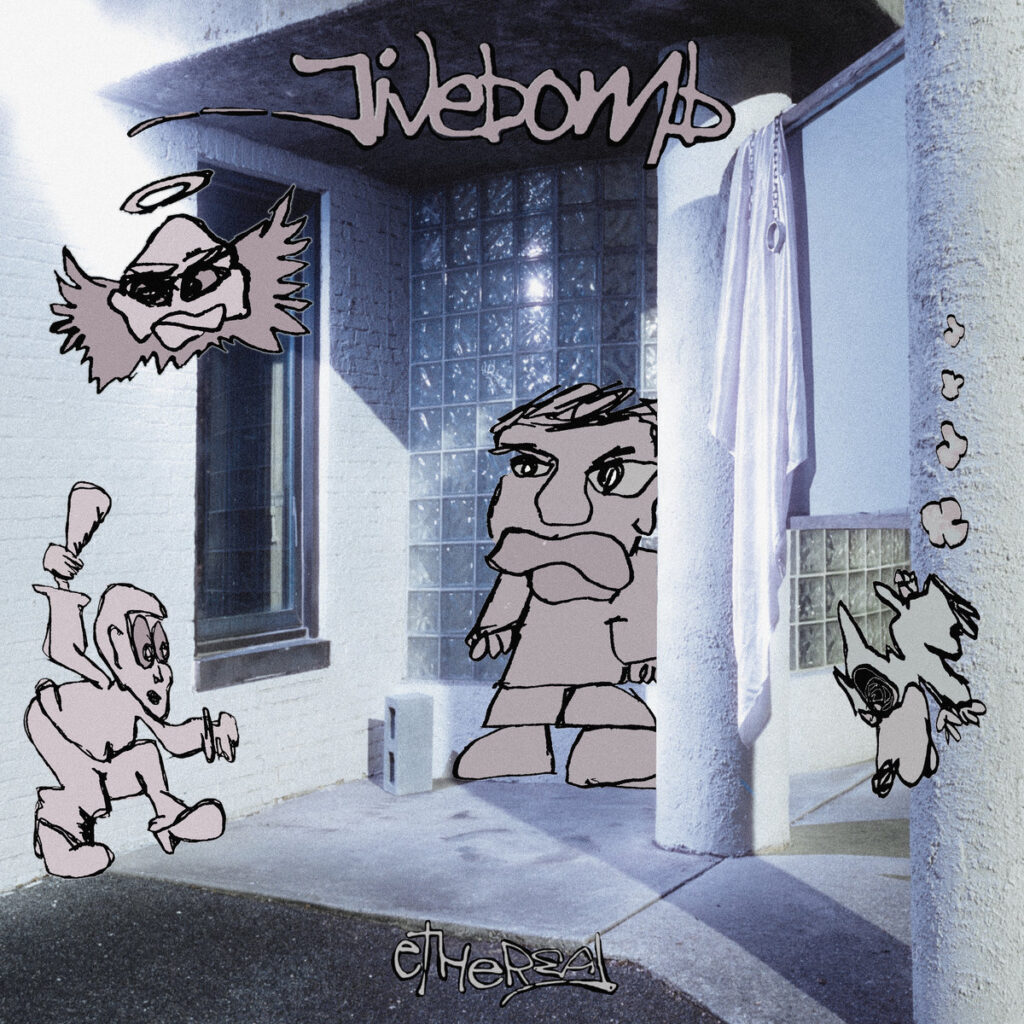
Underpinned by a no-frills, classic hardcore punk sound, marked by driving drum grooves and riffs reminiscent of bands like Floorpunch and The Rival Mob, Ethereal introduces a heightened form of aggression by escalating its use of samples and genre-splicing explored on Primitive Desires. Ethereal is an authentic exploration into industrial, noise, and hip hop motifs, drawing comparisons to Code Orange and Gridiron.
This experimentation is far from elementary. Ethereal represents a band that has transitioned out of its infancy, committed in both intent and delivery. The polish and refinement of this LP are undoubtedly aided by producer Ben Greenburg, from industrial act Uniform, whose influence can be felt throughout the record. Vocalist Kat Madeira unrelentingly spits venom with savage intent, her snarled growls and shouts slicing through the instrumentation and fuzzed samples. Her vocals, ranging from chilling highs to dread-inducing lows, remain one of the standout features of the LP. The tracks on Ethereal include re-released versions of demos, the with the LP versions bringing a denser, layered grit to the tracks. Notably, Maderia‘s screams have evolved into growls, which now take on a more primal bite.
On each listen, Ethereal reveals new elements that were initially hidden beneath what might have seemed like a more straightforward hardcore sound. The LP is wrapped up in just 15 minutes, presenting itself as a promising representation of modern hardcore bands and their willingness to fuse multi-genre influences with classic hardcore elements. The result is an album that is both fun to listen to and somewhat accessible, with new samples emerging from seemingly dormant spaces, making the LP compulsively replayable. Ethereal opens with a distorted mass of industrial fuzz, subverting expectations and laying the groundwork for the tracks ahead. Lyrically, the LP explores themes of societal violence stemming from a lack of personal accountability, hometown pride, yearning, and hate – all woven together in a fierce assault of noise.
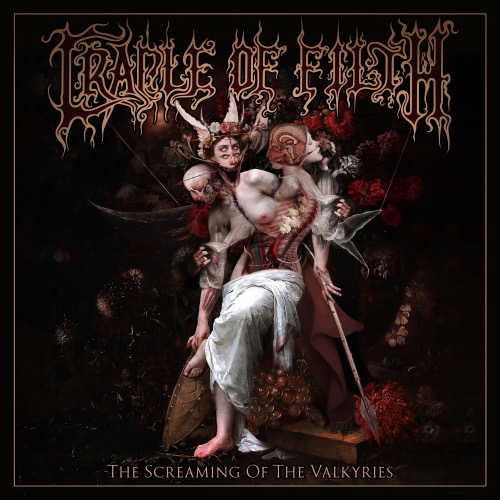
The Screaming of the Valkyries is a 56-minute onslaught of an album that combines classic death metal, razor-sharp black metal intensity, and symphonic influences. This album highlights and enhances what makes Cradle Of Filth such a singular force in the metal scene, even though it may not exactly reinvent the wheel.
It’s clear from the first few scenes of ‘To Live Deliciously’ that Cradle Of Filth have given this album their all, it’s stuffed with theatrical flourishes, blazing riffs, and orchestral layers that evoke a sense of both grandeur and evil. While ‘White Hellebore’ adds a folk-tinged atmosphere that adds variation to the record’s pacing, tracks like ‘Demagoguery’ display some of the most aggressive songwriting in recent memory, leaning into a death metal-infused fury.
Clarity and unadulterated energy are well-balanced in the production. The rhythm section, under the direction of drummer Martin “Marthus” Škaroupka, propels the album with unrelenting precision, while the symphonic elements are present without overpowering the guitars.
Dani Filth continues to be a unique performer, using theatrical flair to deliver his signature high-pitched shrieks, guttural growls, and eerie spoken word passages. However, Zoe Federoff’s increased role as vocalist and keyboardist is one of the album’s strongest points. Her increased presence pushes the albums cinematic feel, and her ethereal cleans and operatic inflections offer a haunting contrast to Dani’s vocals.
Deafheaven have been building a head of steam for a few years now. After relentless support of 2021’s unexpected shoegaze epic Infinite Granite, netting them scores of new fans and even bigger touring opportunities with the likes of opening for Knocked Loose. It wasn’t certain where the band might go next after softening their sound somewhat and committing to the ever present touches of shoegaze in their sound. However Lonely People With Power once again doubles down on treading their own path and Deafheaven might just be at their strongest yet.
Lonely People With Power works almost as a three act experience, punctuated by the three ‘Incidental’ interludes; ‘Incidental I’ uses manipulated synths, vocals and atmospherics as if pulling you into a fugue or dream state, before wasting little time re-ontroducing the heavy possibilities of Deafheaven with the chest-pounding blackgaze intensity of opening track ‘Doberman’. The triplet chugs of the surprising bridge/breakdown portion makes a stunning opening centrepiece and lays the foundation for lead single ‘Magnolia’ to tear the doors off with oppressive metal riffs scorching the ground and George Clarke’s seething vocals salting the earth. ‘The Garden Route’ offers a slight reprieve from the prior bludgeoning, lurking in depressive post-metal atmospherics and a slower tempo and is followed by single ‘Heathen’ and the lengthy standout ‘Amethyst’, further exploring the melodic sensibilities and expansive compositions whilst regularly bringing back their punishing metal side.

Only Dust Remains is underground industrial hip hop heavyweight Backxwash’s first album in three years, coming after the acclaimed trilogy of God Has Nothing to Do With This Leave Him Out of It (2020), I Lie Here Buried With My Rings and My Dresses (2021), and His Happiness Shall Come First Even Though We Are Suffering (2022). Focusing heavily on identity, spirituality, and her own personal journey, all the albums were intense and dark, yet cathartic expressions. This album does not reject the history of the trilogy, but is not more of the same.
Coming from her previous work, the lack of distortion and booming 808s can seem disorientating. ‘Black Lazarus’ still has the same doom laden poetry of her previous work, but being laden with 80s sounding saw wave synths and electric pianos, this feels less like a descent into a personal hell and more of a bearing of the soul, an honest opening up for judgement, and forgiveness. This isn’t the oppressive claustrophobia that was intrinsic to the last albums.
The lighter shades on the production don’t reflect the lyrics. There’s more acknowledgement of getting out, of getting over the previous anguishes and trials, but the light at the end of the tunnel is still slightly out of grasp. There is still catharsis throughout, and the guitar solos from previous collaborator Micheal Go give that final leap on tracks like ‘Wake Up’ and ‘Dissociation’. There is catharsis at the end of ‘History of Violence’, after a rallying call to action. The outros on this album are outstanding, and consistently uplift, and feel like the clouds parting.
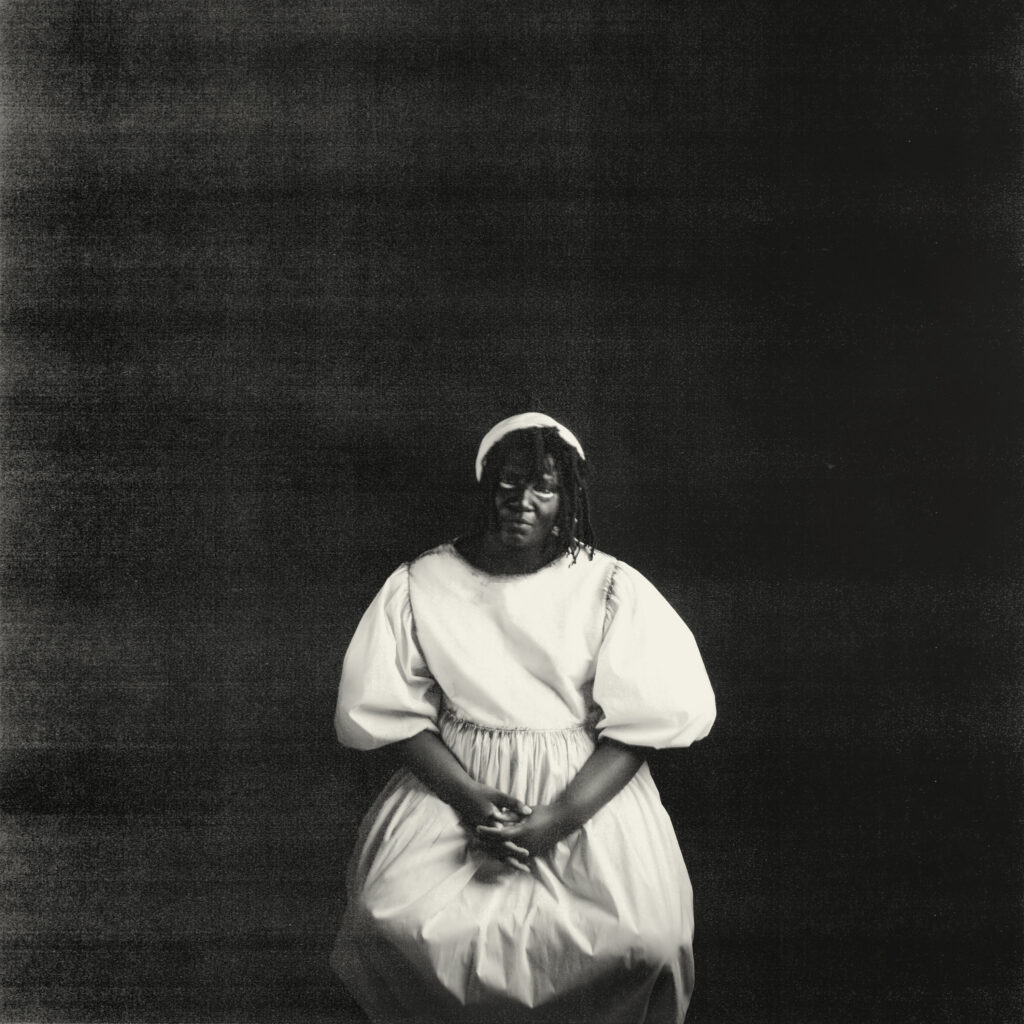
Contrast is the name of the game here with the upcoming dual EP release by Belgian post-metal royalty Amenra. Both De Toorn and With Fang and Claw have been produced with different approaches to the writing style, with the former being a culmination of the bands long time evolution in sound, and the latter harking back to their beginnings. This difference in approach really rears its head across the two recordings, with De Toorn being a quiter more calm (until the end of the tracks) lengthy approach and With Fang and Claw having more on the heavier side of the spectrum.
De Toorn with its mass of droning quiet, comes as the natural evolution to the bands sound. This EP holds a different kind of heaviness than the more obvious metal based affair we’ve come to know. The beginning of ‘Heden,’ is expansive, contemplative and the oppressive thump of the bass as it fades out only to come back on the next bar is almost maddening. Quiet spoken word heaps atmosphere all over the track before it lets lose it’s madness (after an intense 9 minutes) with a huge riff, massive pounding drums and vocalist Colin H. van Eeckhout seemingly ripping out their vocal chords with the effort of the angst ridden screams. ‘De Toorn (Talisman)’ follows a similar structure, sparkling guitars stud a black sky of atmospherically drenched meditation before once again descending into heavy doom driven riffing to round the track out.


