Not many new bands get as much positive attention as Twat Union, before releasing their debut EP or embarking on their first headline tour. The London based, six-piece, feminist theatre-punks were already being touted as a name to watch by The Guardian and signing to the prestigious Alcopop! Records. With a live show that’s already becoming the talk of the town for outrageous props and inventive costume changes, Twat Union prove that they’re more than just a gimmick band with their raucous and hilarious debut EP Don’t Look It In The Eye.
From the moment frontwoman Kate Mac opens her mouth at the beginning of the EP, crass jokes and catchy hooks begin spilling onto a sonic canvas fuelled by equally lighthearted punk rock. Opening track ‘Little Pink Drill’ provides a perfect introduction to the lewd and witty world of Twat Union with deliberately unsubtle wordplay and a sing along chorus backed up by a dense wall of distorted guitars complete with a slide guitar solo played with the titular “little pink drill”. This opening track isn’t exactly subtle but, then again, nothing about Twat Union screams quiet sophistication, these girls are dirty, honest and loud, and they own it.

Having formed in Stockholm back in 2008, This Gift Is A Curse are long-established in the underground European scene for their punishing amalgamation of black metal, sludge and hardcore. Slowly coming together over the course of the past six years, the newest effort Heir has the band laser focussed into coalescing the essence of their previous works into a streamlined form. Despite being known for their scorching and bleak musical output, Heir pushes the band deeper into punishing territory than ever before.
The band waste little time, opening track ‘Kingdom’ introduces the caustic, apocalyptic atonal black metal fury. It sounds like the end of the world, and it’s intoxicating. It’s the perfect sample plate of what the band have to offer. Following the opener, ‘No Sun, Nor Moon’ is an early standout, the maelstrom of oppressive black metal fury breaks for a punchy chorus. The almost obsessive gang vocal roars of the track title border on insanity as the track sinks its hooks in deep, willing you to move further into the depths of Heir.

With a heady mix of grinding black metal guitars, unwavering melodic beauty and soaring angelic (and demonic) vocal styles, the latest offering from Dawn of Ouroboros is a highly enjoyable piece of work. Outside the band, guitarist Tony Thomas daylights as a molecular biologist, something that allows him to transfer his meticulous research driven approach over to the writing process, and it shows in the well-produced cacophony that the band is becoming more and more known for. Converse to this, vocalist Chelsea Murphy often chooses to improvise her vocal lines in the studio, allowing her emotion to come through and lead the way. This creates an awe-inspiring dichotomy of highly technical ethereal guitar work, and pristine clean vocals. This sense of clashing aesthetics is further influenced by Murphy’s demonic screams, which are just a deftly applied to the songs.

Chris Goss is an influential figure in the sphere of music we refer to nowadays as ‘Desert Rock’ and ‘Desert Blues’ despite downplaying his influence and role in the formation of this particular kind of music. The multi-instrumentalist from Syracuse, New York, has had a long career on both sides of the studio: performer and producer, featuring in the credit’s of many albums of the past couple of decades including such iconic releases by bands including Kyuss, QOTSA, Stone Temple Pilots, Melisa Auf Der Maur, Mark Lanegan, Mondo Generator and The Desert Sessions project.
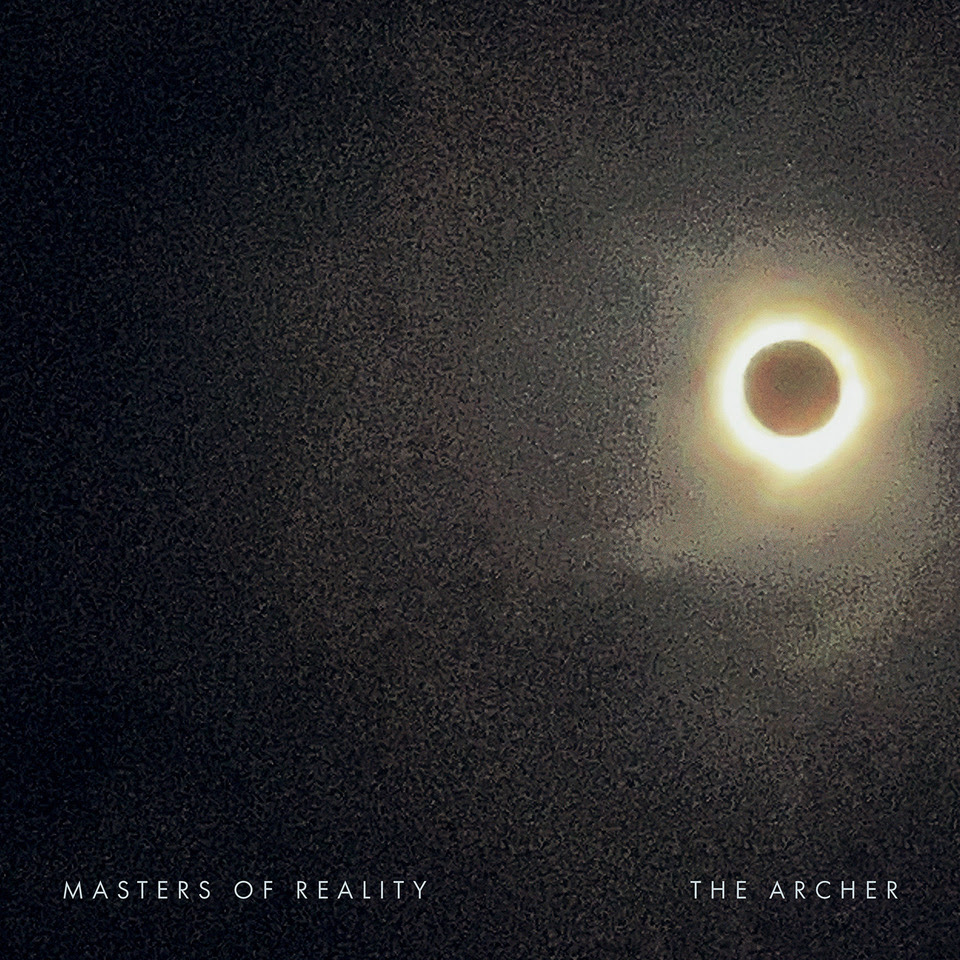
Having such a rich and impactful musical legacy, it is a wonder as to how Mr Goss and his own project, its name taken from a misprinted copy of the highly influential Black Sabbath album ‘Master Of Reality’, have remained so elusive to the vast majority of people.
After listening to the album several times you can begin to understand this to an extent. The fusion of blues rock with what would later become the desert rock vibe popularised by QOTSA mixed in with quirky hints of avant-garde inspired by the likes of the iconic Frank Zappa and Captain Beefheart makes for an intriguing listen which you will either ‘get’ or won’t. Some points on this release are really clever and land well, others just have you scratching your head or have you sat there with a bemused expression on your face as the oddity performs for its duration.
Album opener ‘The Archer’ has a good ‘retro’ flair to it with the subtle Hammond organ, shuffling percussion and rich, velvety overdriven guitar tone but vocally it doesn’t do much to catch your attention and it is an overall muted musical affair which doesn’t quite seem to set the expectations of the listener well, nor does it get the listener invested into listening to the full album. Follow up track ‘I Had A Dream’ is a little more upbeat and would have served as a better opener. All the quirkiness of Rated R by QOTSA is on display for the listener and you can start to see how Goss and his approach to songwriting helped shape the musical compositions of Josh Homme: the off-kilter syncopation and catchy fills, the hypnotic rhythm work and the subtle organ lines which crest at the right times. It works well and does give a bit more kick for the album going forward.
‘Chicken Little’ is an avant-garde take on the classic Southern US blues, following the same song structure you would expect but with a much softer edge, almost like lounge music in parts. The vocal delivery is quite energetic in parts but what really seals the deal is the sweet-ass bitchin’ blues solo. That pushed overdrive screams out beautifully and credit where credit is due, this track is a well composed and delivered effort. ‘Mr. Tap n Go’ has all the hallmarks of something from the cutting room floor of the iconic Desert Sessions series of recordings. It’s got a rawness to it along with that oddity which only a mammoth Peyote and Pot bender can quite explain. It would have made for a more noticeable and intriguing album opener and lead single but it works well for where it is placed in the running order, helping keep momentum instead of curb stomping it.
The tone is set with the grimy thrash of ‘Blockage’ which comes crashing through the speakers like a ploughing into the side of a house. There’s a palpable vitality to the performances on Death Hilarious, especially on the pacier tracks like ‘Stitches’ and ‘Coyote Call’, which are bound to result in an uptick in speeding tickets being issued should people listen to this album in their cars.
‘Detroit’ is a gruelling sweat drenched fever dream of a track, with Matt Baty describing sleepless nights in hotels listening to couples rutting in neighbouring rooms over discordant guitars and lolloping drums, akin to that uncomfortable feeling that Chat Pile are so good at conjuring.
Pigs Pigs Pigs Pigs Pigs Pigs Pigs’ guitarist and producer Sam Grant has said that while the previous album, Land of Sleeper was conceived as an immersive headphones experience, their intention with Death Hilarious was to provide ‘a slap in the face.’ That’s an understatement; it doesn’t so much as slap you, but grabs you by the shoulders and sticks the nut right on you. The amps and fuzz pedals are cranked to oblivion, the drums hit like a bare knuckle boxer’s gut punches and Matt Baty’s vocals are so much further forward in the mix than they’ve ever been, giving a real urgency to his gritty delivery and self-deprecating lyrical content. These are some of Matt’s darkest and most personal lyrics, but as the title Death Hilarious would suggest, there’s a wry sense of humour running throughout.
And yet, in spite of the absolute cacophony that the quintet are conjuring, everything is surprisingly well-balanced. Nothing feels like it’s fighting for its position, and it’s actually quite easy to pick out the subtle layers of intricate detail that are present behind the wall of noise, a harmony here or a tastefully placed piano part there.
While a couple of the tracks do push past the seven or eight minute mark, it doesn’t feel like there’s an ounce of fat anywhere on this album, other than in the hefty guitar tones. It’s clear the post-pandemic years of relentlessly touring their previous two albums Viscerals and Land of Sleeper have enabled Pigs Pigs Pigs Pigs Pigs Pigs Pigs to tighten up their chops and hone their songwriting prowess.
Alien Weaponry exploded onto the scene with their first album Tu back in in 2018 and followed it up with Tangaroa in 2021. Seven years after that debut release, have the boys lost any of their fire? Not a bit of it. Te Rā finds the band as angry and as fired up as they ever have been. Similarly to Bloodywood, their music is a blend of the old and new, the traditional and the modern, the Māori language blending with pounding drums and heavily distorted riffs. This isn’t just music, it’s a history lesson.
This new album sees the band diving deep into their heritage to tackle subjects such as the theft and trade of the preserved heads of Māori people in ‘Mao Moko’. Called Toi moko, or mokomokai, these are the preserved heads of Māori, where the faces have been decorated by traditional tā moko tattooing. Even now, 200-some years later, efforts are still ongoing to have these heads reclaimed from museums and private collections and returned home.
We continue delving into Māori folklore with tracks like ‘Taniwha’, (featuring Randy Blythe from Lamb Of God) which not only references the mythical Māori monster that dwells in the waterways, It’s an indictment of the land purchases that were a big part of events leading up to the New Zealand wars that spanned from 1845 to 1872.


