While Closed City and their self-titled debut album may get categorised as a metal album don’t be fooled, this isn’t a headbanging good time for the battle vest wearing Bloodstock crowd. Despite the most fleeting crossover with acts like Sunn O))) or Hexvessel, composer Micheal Cloud Duguay and songwriter Mathias Kom incorporate the bleak feel of black metal and drone into a sonic experience that will feel alien to most metalheads, melding the desolate feel of these heavier genres with the intensity and drama of brass driven classical music.
The album’s short introductory track ‘City’ acts as a powerful deterrent to those looking for anything other than a bleak and thematically dense sonic experience. Rather than setting the atmosphere with tremolo picked guitars recorded in a grimy Norwegian basement, ‘City’ feels more like the soundtrack to a Coen brothers film set in the Arctic circle, heavy on the low brass and gloomy piano, tiptoeing carefully through labyrinthine melodies. While Closed City may have elements of heavier genres intertwined through its passages, this opening track sets the album up as a deep and fascinating experience unlike anything seen between the pages of Kerrang.
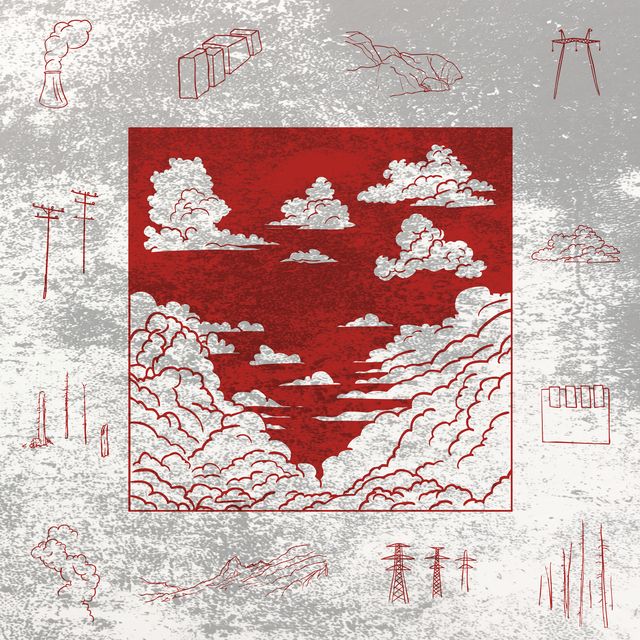
That heady mix is exactly what’s on the menu with the debut full-length album Breaking the Catatonic State from Belgian trio Crouch. Featuring Wim Coppers on drums, Jasper Hollevoet on bass, and Levy Seynaeve handling guitars and vocals, this is a lineup forged from years spent sharpening their tools in bands that have helped push Belgium to the forefront of modern heavy music. You can feel that shared history across the record, feeding into a project that manages to be both confounding and deeply gratifying all at once.
Choosing to intro with an American voiceover talking up the subversive, non-conformist stance of what’s to follow feels like a throwback to a bygone era, but opener ‘Godby’ smashes out the gate with all the ferocity of a Botch record and the whole thing just works. In a remarkable departure from their self-titled EP, Crouch have reemerged as a monstrous beast formed of parts smashed together and run through a labyrinth of contemporary rage. That sense of rupture feels very deliberate. The band have drifted away from the pummelling comfort of familiar, looping sludge rhythms that formed the backbone of their previous release, in favour of something more jagged and unstable, with structures that twitch and pivot rather than settling on one mode or feeling.
The record runs the gamut of influences from the aforementioned Botch in its angular dynamics, to the oppressive beauty of early Isis, to the virtuoso fretwork and sheer groove of Mastodon. There’s a clear philosophy underpinning it too, one that leans into asymmetry and friction, breaking away from the kind of steady, slowed-heart-rate rhythms that are such a mainstay of the genre. The result is a record full of sharp corners and sudden turns, where hooks pull you deeper into the disorientation rather than smoothing the edges. There are plenty of moments that call to mind the jittery, hyperactivity of early Dillinger Escape Plan as much as anything, and those chops and stabs blend perfectly with the heft of the low end.
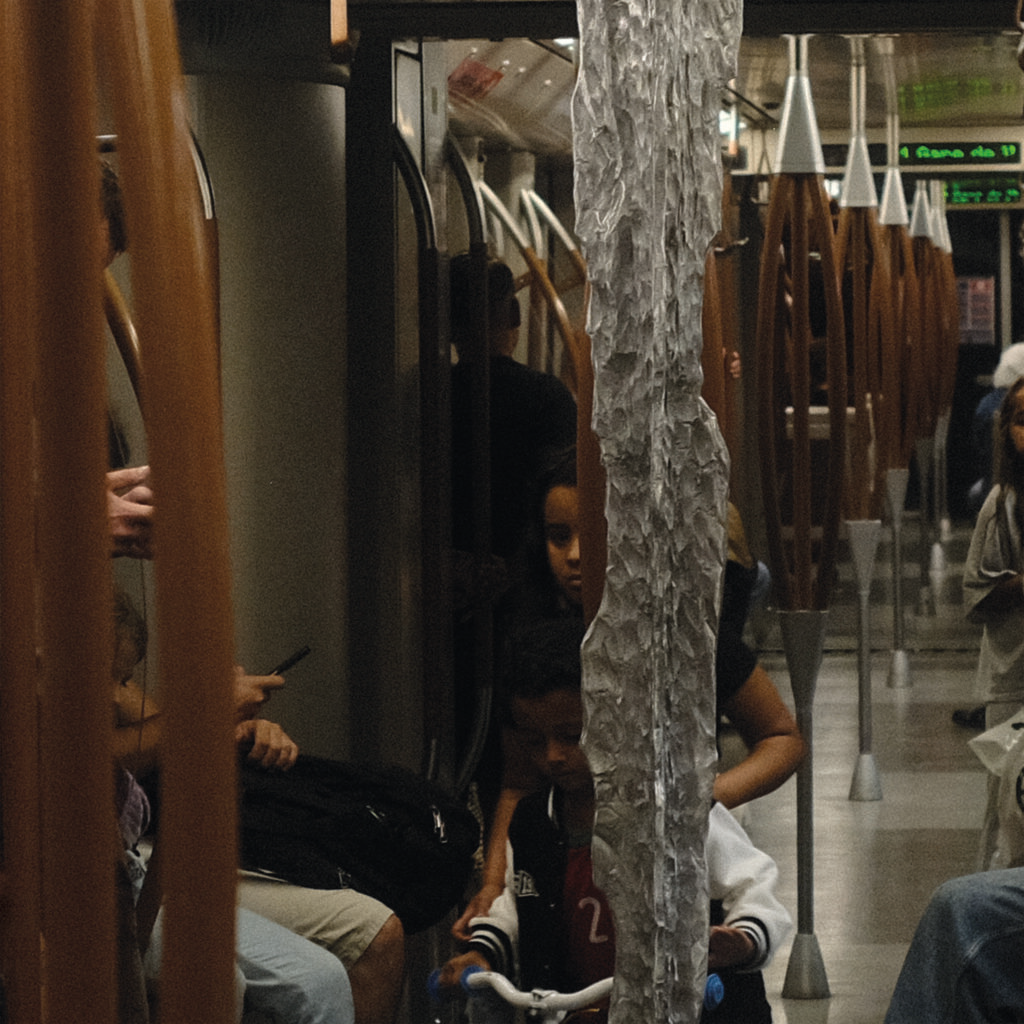
Having been active since 2007, Italy’s Stormo have been an active part of the European screamo scene for a good while. In that time, the band has released five albums and played shows with heavyweights such as Converge and Birds in Row alongside bringing their hard hitting sound to venues across the globe, including a headlining slot at 2025’s Reality Unfolds Festival at London’s New Cross Inn.
Equally known for their DIY ethics as they are for their uncompromising blend of screamo and hardcore, Stormo have set up their own label ANFISIBENA to release their latest EP Songi Che Invadono il Cielo, a release that continues to push the band’s sound forwards whilst continuing to remain true to themselves.
Sonically, this EP sees the band adding more sounds and textures to their rock solid foundations, utilising the atmosphere of post rock and the blastbeats of black metal where needed to further layer their frantic assault. This is best utilised on third track ‘Estuari’ which starts with an atmospheric intro sounding like a cross between Godspeed You! Black Emperor and Portrayal of Guilt. The song builds up gradually with vocalist Luca Rocco’s emotive screams accompanying the swirling and eerie sounding guitars just ten seconds shy of the one-minute mark. Then, with little to no warning, the track explodes into a chaotic wall of sound a little over halfway through the song before reverting back to the comparatively mellow atmosphere of the intro right at the end to bring the song full circle.
Songi Che Invadono il Cielo’s greatest strength is how dynamic it sounds. No two songs sound alike, and the band also knows when to take the foot off of the full frontal assault and let the tracks breathe to allow listeners to soak in the atmosphere. From the no nonsense, all guns blazing opening track ‘Gesti’ that sounds like Birds in Row playing a Deafheaven song, to the more ambient noise rock of closing track “Isole” via the aforementioned ‘Estuari’, variety is certainly not something that Stormo are lacking in within this collection of songs.
There’s still something in the waters in America’s Pacific Northwest. Sure, it might be the excessive amounts of lead from decades of industrial wreckage (which would certainly account for all the serial killers), but on fourth album Impossible World, Seattle punks Filth is Eternal are determined to show that there’s still a lot of grit and grime, too. Filth, if you will. On their previous outing, 2023’s Find Out, the band began to work in melodies and fuzzed-out riffs that wouldn’t have sounded out of place at a show at Seattle’s legendary Off Ramp circa 1989, with vocalist Lis Di Angelo’s vocals moving from a hardcore bark to something a little more nuanced, and, well, grungey.
Now we’re a few years removed, and from the opening bars of lead single and opening track ‘Stay Melted’, it’s clear that sound has devolved even further. The snarling fuzz of buzzsaw guitars is met with a vocal that hews closer to the sneer of Kim Gordon than the roar of Brody Dalle, with a half-hushed, half-growled opening of “people give what they need/a slow blade/you take a photograph/feels like an epitaph” speaking to the sense of enraged ennui that permeates the whole album. Hell, maybe that epitaph should be capitalised. By the time Lis growls “really wanna say I felt it” over a hook that feels delivered from on high, you’ve got a pretty solid idea of where we’re going. And the answer is… well, it’s still the Off Ramp, but maybe a few years down the line.
Which is not to say that Filth Is Eternal have left their hardcore roots behind. Sure, Brian McClelland’s guitars may sound like they may have been wrested right out of Mark Arm’s amplifiers, but Josh Pehrson’s drums and Logan Miller’s low end are thunderous in a way that feels much closer to Ben Koller and Nate Newton’s tumultuous groove. Taken together, it creates a sonic wreckage that calls to mind Philadelphia’s Blacklisted at their best.
All of which would be meaningless without the songs to back it up, and here Filth Is Eternal continue to have hooks the whole live-long day. What’s new and refreshing this time around is how they’re constantly undercut by the more withdrawn vocal style. By the time Lis builds up to howling “live in the night forever, burn like hellfire forever” at the climax of third track ‘Hellfire’, you can’t help but pump your fist in the air, because it’s felt earned by all the restraint that led up to it.
Since their inception in 2016, the Portuguese masked outfit Gaerea have always been pushing the boundaries of what they can achieve in the realm of black metal. While their newer outputs are classed as post-black metal, they still have their original black metal roots still very much intact at the base of their musicianship.
Loss continues the sound that Coma experimented with, while still further pushing their creative limit to include hauntingly beautiful melodies and inclusion of more clean vocals that appeared on Coma. ‘Luminary’ starts the proceedings of the album with an atmospheric sharp guitar ringing out before the band come crashing in. From the singles they have released, you’re aware it’s going to be a whirlwind of genres colliding, but ‘Luminary’ stands firm with its more aggressive movements from the blast beats to the furious guitar tone that makes an explosive opening statement.
‘Submerged’ comes in with a clean guitar tone reminiscent more from Sleep Token to Gaerea, but that’s to lull you into a false sense of security. Blast beats are behind the corner ready to take your head off as the band’s anonymous vocals are intense and filled with emotion on the massive chorus as you can hear his voice tear into higher registers of his screams. With his vocals shifting from vicious growls to cleaner passages, it adds a raw feeling to the song that sees you clinging on to the end with bated breath.

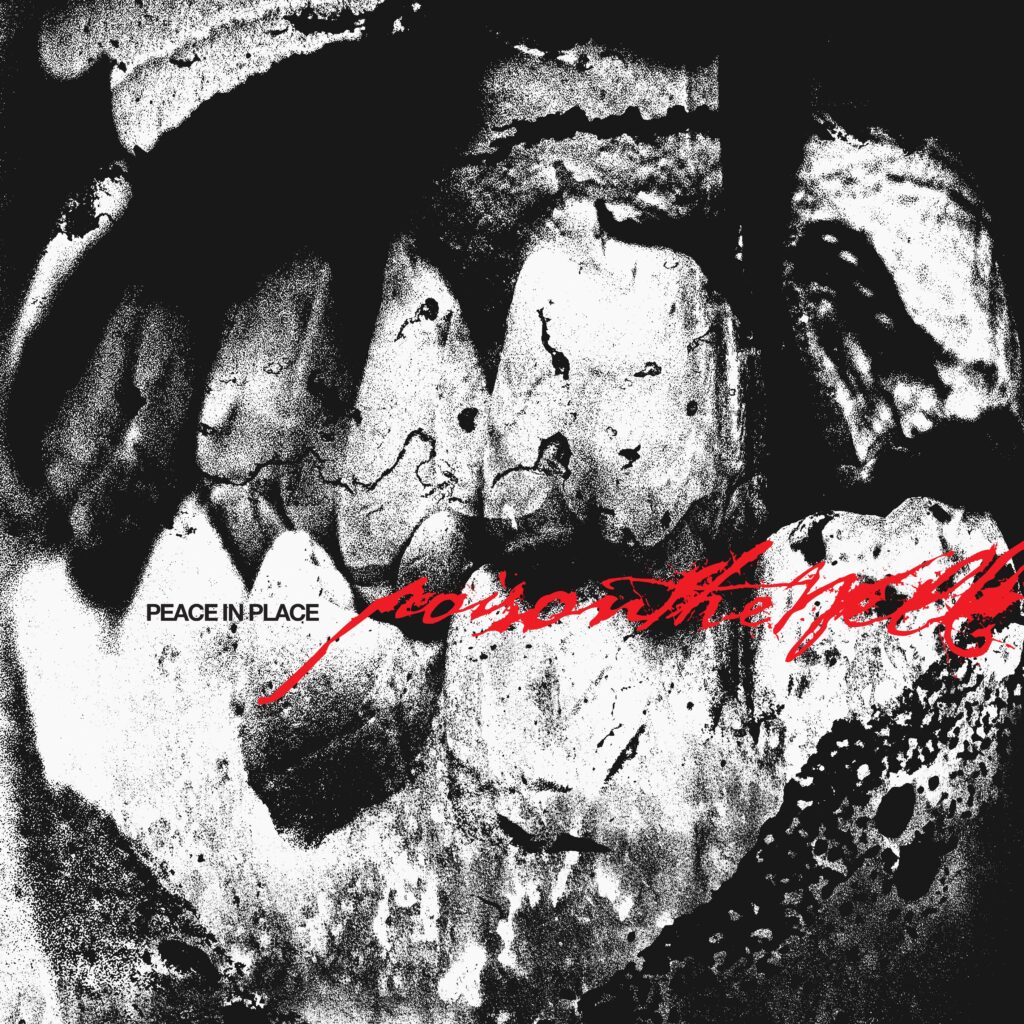
Is it a blessing or a curse to have your debut album become one of the cornerstones of an entire sub-genre? A question that very few bands have to even consider, but it cannot be denied that The Opposite Of December…A Season Of Separation hangs like an albatross around the neck of Poison The Well. Laying the blueprint for the abrasive, melancholic and dare say, melodramatic brand of metalcore that sadly evolved into the bastardized form we know today, Poison The Well were ahead of their time. Crashing drums, spoken word parts and heart-on-the-sleeve lyrics were a revelation back in late 1999 and even though they already had established peers in Converge and Cave In by this point, they ploughed their own furrow. This was in no small part to the pained bellows and cathartic writings of Jeffrey Moreira, who inspired an entire generation of vocalists and lyricists with his performance.
The two follow ups did little to dull the bands light too, with Tear From The Red expanding on the formula and earning the band a major label release for You Come Before You. It has been said that the bands shift in style, leaning more towards a post-hardcore and at times, slightly progressive sound on their last two releases turned some fans away but there are some of the bands best songwriting moments on those records, particularly on 2009’s The Tropic Rot, which proves a sonic launching pad for new effort. With a raft of revival-core bands popping up, live covers of foundational tracks like ‘Nerdy’ and ‘Botchla’ popping up by bands made up of teenagers, some stunning festival performances and tour performances celebrating their debut, it only made sense that Poison The Well would enter the studio again and the result is Peace In Place