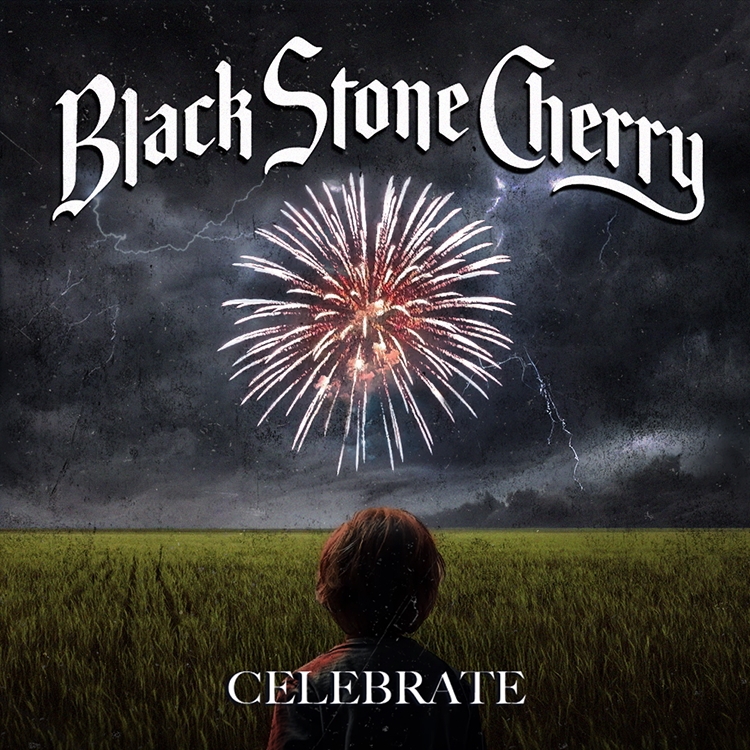
Born out of the early 2000s southern-rock scene, Black Stone Cherry has seen a projection and consistent growth in their career like no other. From the 2006 release of first (and hit) single ‘Lonely Train’ to the release of the most recent single ‘Neon Eyes’, the band has seen a consistency in hitting the mark every time. Celebrate, as an EP, seems to be creatively pieced together in a way where it kicks your ass, consoles you and then puts the boot in again. Individually speaking, ‘Celebrate’ welcomes you to the beating with a hard driving riff, complimented by that iconic bassy tone so you have no doubt who’s got you locked in for the next 20 minutes or so. With a chorus which will be ringin’ in your head for days to come, that hard driving force would be sure to unfold the arms of Metallica merch-clad blokes, at the back of the venue, nodding their shiny heads to that whip of a snare.
Rolling into ‘Neon Eyes’, it seems to begin to suggest that stylistically there is to be some sort of nod towards previous work, as the swagger of the verse is somewhat reminiscent of ‘Bad Luck & Hard Love’ from 2014’s Magic Mountain. This swagger rounds off the first half of the EP with ‘Caught Up In the Up Down’ seeming to culminate the catchy verses of ‘Neon Eyes’ and the iconic, festival belting choruses of ‘Celebrate’. As you are driven into the second half of Celebrate. you are now at the point where the band is apologising for such chunky riffage, but with no shortage of absolute anthems for you to embarrass yourself, screeching, in front of your loved ones at a gig or festival.
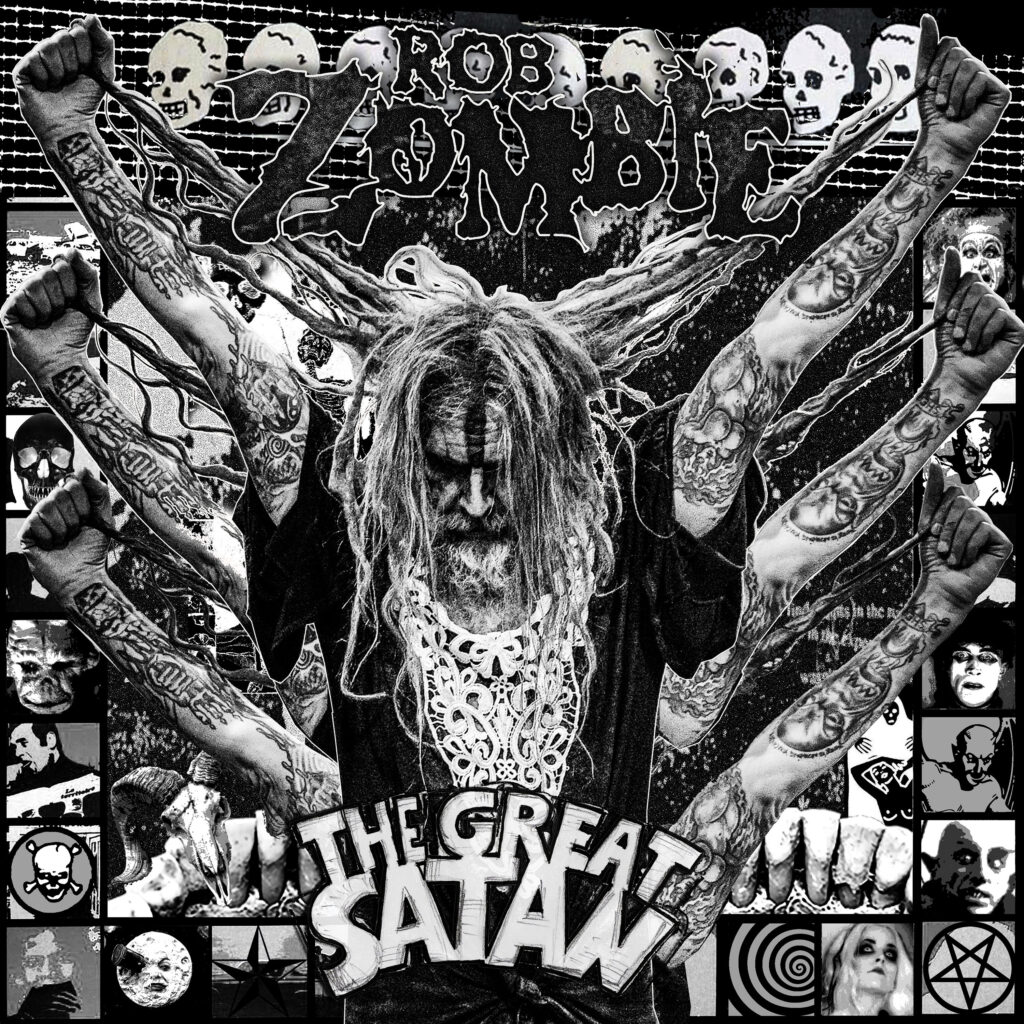
With now over forty years in the alternative music space, Rob Zombie has been long established as an icon. With his initial breakthrough success with White Zombie, to his genre defining debut solo album Hellbilly Deluxe, collaborating and touring with various rock & metal legends to leaving his mark on horror cinema with his 2004 opus The Devil’s Rejects; there is little left for Zombie to conquer outside of his love to continue to create outsider art. Reuniting with guitarist Mike Riggs and bassist Rob ‘Blasko’ Nicholson, most well known for their contributions to Zombie’s highly lauded debut and follow up The Sinister Urge, new album The Great Satan is presented as step back to his roots.
From the first moments of opening track ‘F.T.W. 84’, it’s clear The Great Satan is a return to Zombie’s original formula; getting the album off to a fiery, barn-burning start and getting the blood pumping. The singles are perfect indicators of this directional shift; ‘(I’m a) Rock “N” Roller’ introducing itself with an eerie synth sound font that sounds ripped straight from the 90’s TV adaption of IT and sinister stomps as the band join for and electrified anthem teetering on a frenetic edge. ‘Heathen Days’ bursts forth with a bull-headed riff that feels like it could’ve been pulled straight from uncovered B-Sides from the Hellbilly Deluxe sessions with a high tempo fury. Finally ‘Punks and Demons’ with Zombie screaming “SATAN” from the tracks opening moments and features plenty of his esoteric lyricism over choppy and driving metal riffage. Its a welcome return to a style most thought Zombie had long abandoned.
The third LP from the South London group, Somersaults lands at a time where slowcore as a concept is becoming increasingly at odds with our ever-hectic world. Now, yes, this is a genre that always been niche. But with the world becoming increasingly chaotic and obnoxious, there’s no surprise that both the popular and alternative music landscape has come to mirror it. The demand for equally loud and confrontational music is rising exceptionally, and the slow, minimalist and withdrawn stylings of slowcore can’t keep up with popular culture.
All of this leaves Deathcrash in a bit of a tricky spot. The band have essentially become the de-facto ambassadors of the UK scene following on from tours with the likes of Have A Nice Life and Jesus and Mary Chain last year. It’s a spot which they’re no doubt thankful for, but one they probably didn’t ask for. After all, the band’s quiet and fatalist ruminations on death aren’t ones that seem to strive for notoriety. So, the question has to be asked; how do Deathcrash re-approach a genre that’s essentially no longer compatible with our sociocultural climate? The answer is easy; they remodel it for the future.
A record that sounds intentional but feels organic, here, Deathcrash reimagine the slowcore formula by breaking the rules they’ve set for themselves. The inherent bleakness of their sound has been metered by moments of quiet joy. Motifs from other genres, such as indie and emo, have been embraced. And perhaps the most cardinal sin of them all has been committed – vocals have been lifted from the depths of the mix and now take centre stage. Genre purists may gasp at such transgressions, but Somersaults shows how such experimentation can work without corrupting the mood, ethos and crux of the genre at hand. And most of all, this record is an utter joy to hear.
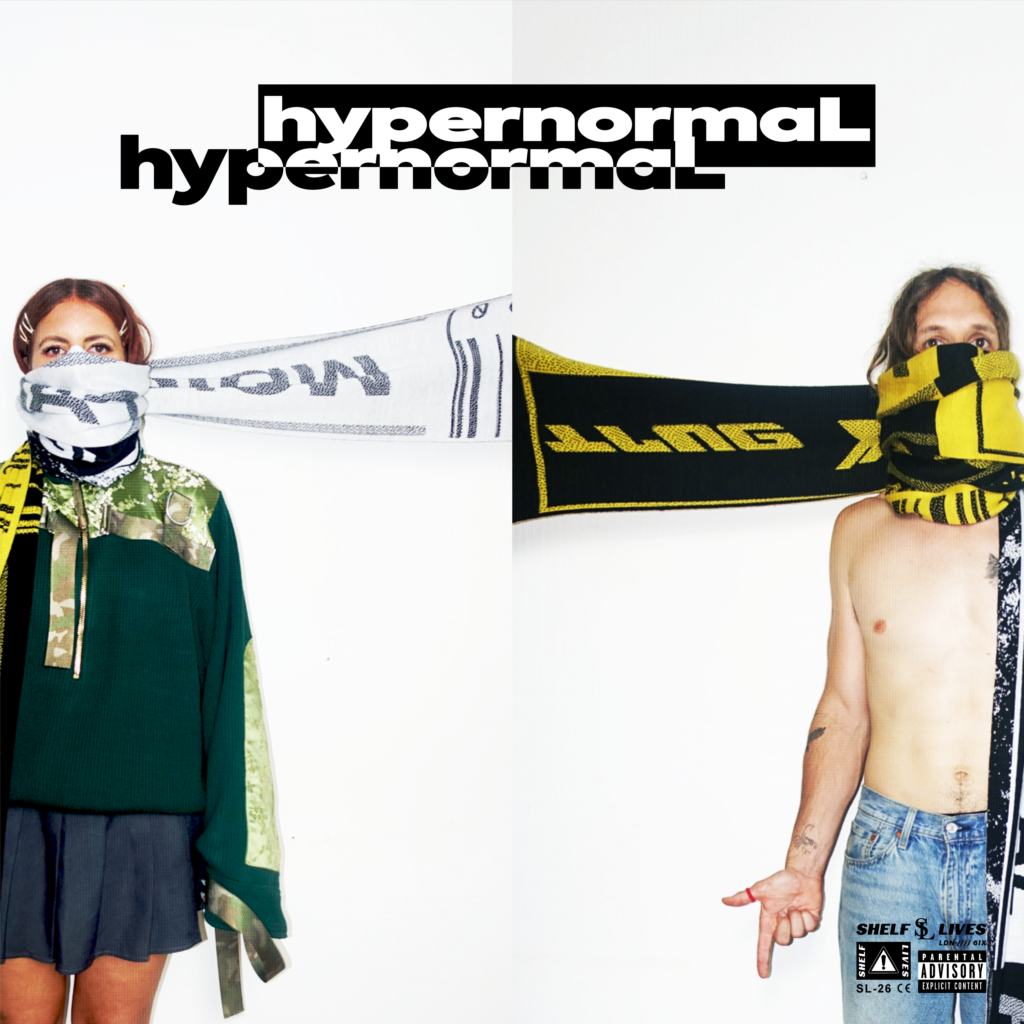
It’s been four years since Shelf Lives dropped their first “mini-album”, Yes Offence, which was a groovy slice of post-punk electro-bass backing up cutting, uncompromising lyrics that quite rightly saw the band become darlings of both the music press and the festival circuit. They followed things up in 2024 with the second EP No Idea which showed the band starting to pivot to a harsher sound, lyrics becoming increasingly distorted and angry, the guitar sound ever harsher, but it still felt like a Shelf Lives release and you could see the musical evolution in those two years.
Which brings us up to the band’s first proper album, HypernormaL and from the first opening seconds it becomes clear that a lot of things have changed, and not all of it is for the better. Opening track ‘2phoneS’ kicks things off innocuously enough at first, sporting the band’s by-now familiar drum machine backing track but the sound has evolved. It’s wider, fatter, sporting more layers and more complexity which is just what you would hope for in a full album release, a showcase of what the EPs and live performances have built to.
Then we hit the second track of the album and it all goes wrong. ’60K’ is an ugly track, and not in a remotely good way. Vocalist Sabrina Di Giulio’s whining, high-pitched refrain of “Bitches don’t own me” backed by an obnoxious, thudding bass beat and guitarist Jonny Hillyard’s snarling, barked rap stylings that set the tone for what’s to come. Leaving behind the indie influences of the first EP, listeners are presented instead with an album that’s more towards the techno-industrial end of things with track 7 ‘FrissoN’ (seriously, what’s with the random capital letters at the end of every song title?) being reminiscent of 90s goth/industrial bands like Nine Inch Nails and Ministry but with less finesse and tact.
Varials have been through quite a few changes since their early days, through their acclaimed 2017 and 2019 albums Pain Again and In Darkness respectively, up until more recently in 2022 with the conceptual and more experimental Scars For You To Remember, most notably due to a change of vocalists across releases. Throughout these changes however, Varials have never lost sight of their vision and have stayed the course when it comes to their sound, which exists on the heavier, bludgeoning end of the metalcore spectrum, crossing over into beatdown and hardcore territory with nu-metal tinges.
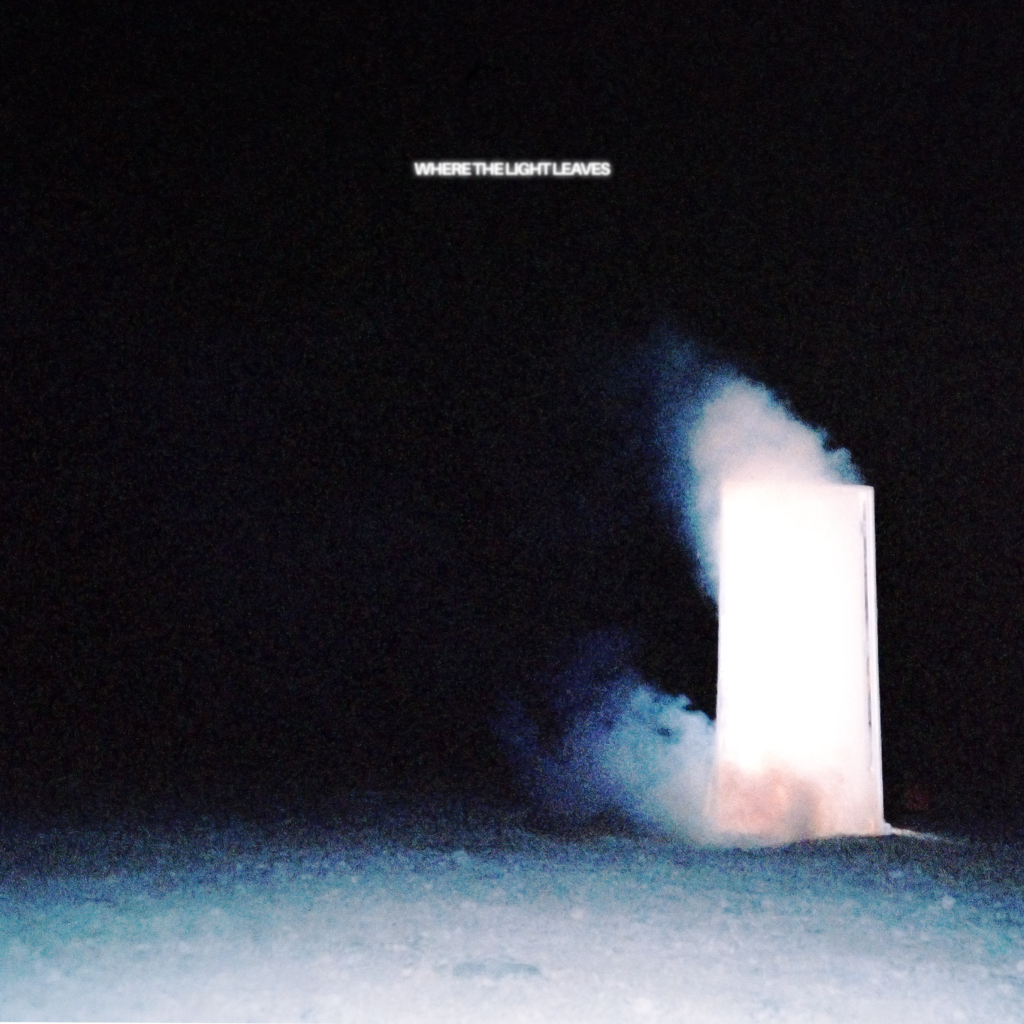
Their vision has perhaps never been more laser-focused than it is on new album WHERE THE LIGHT LEAVES, which introduces new vocalist Skyler Conder (CELL) and who rapidly proves himself to be a perfect fit for the band’s brand of pissed off savagery. As the album boots up with ominous, distorted electronic sound design, the opening title track booms to life with crushing, claustrophobic heaviness, well and truly setting the tone for the rest of this new chapter with renewed energy and purpose. The venom in Conder’s vocal delivery strikes as being authentic, raw and genuine and things only get heavier with a well-placed band name drop followed by a series of breakdowns that punch the eardrums with the force of a close proximity detonation. The track also introduces the conceptual idea for WHERE THE LIGHT LEAVES as being this suffocating purgatorial space of penance rife with suffering through its lyrics.
WHERE THE LIGHT LEAVES wastes no time in showing its cards and presenting the core of its strength. Most notably the sound design and production choice, which does a phenomenal job of making everything sound overwhelmingly hefty and hit like a ton of bricks. Josh Schroeder’s production work here shares a similar quality to Buster Odeholm’s style which tends to focus on high percussive impact. Although in this case, the “thall” stylings and experimental outlandish oddities are replaced by doubling down on density and striking power behind every instrument, to the point where it almost feels like the sound goes beyond the threshold of what our ears should be able to withstand, especially during its explosive breakdowns.
The approach to writing for the instrumentals also seems to have been done with the intention of putting sheer impact first and foremost, be it Shane Lyons’ guitar, Mike Foley’s bass or Sean Rauchut’s drums ; everything is designed to beat the listener senseless and knock the air out with the effectiveness of a nasty well placed punch to the gut. Skyler Conder’s vocals are another major strength and driving force throughout the span of the record, with a believable grit behind the overflowing rage most notably on tracks like ‘No Lie Untouched’ or ‘Blissful End’ or genuine emotional unraveling in tracks such as ‘The Hurt Chamber’ or ‘Romance II’.
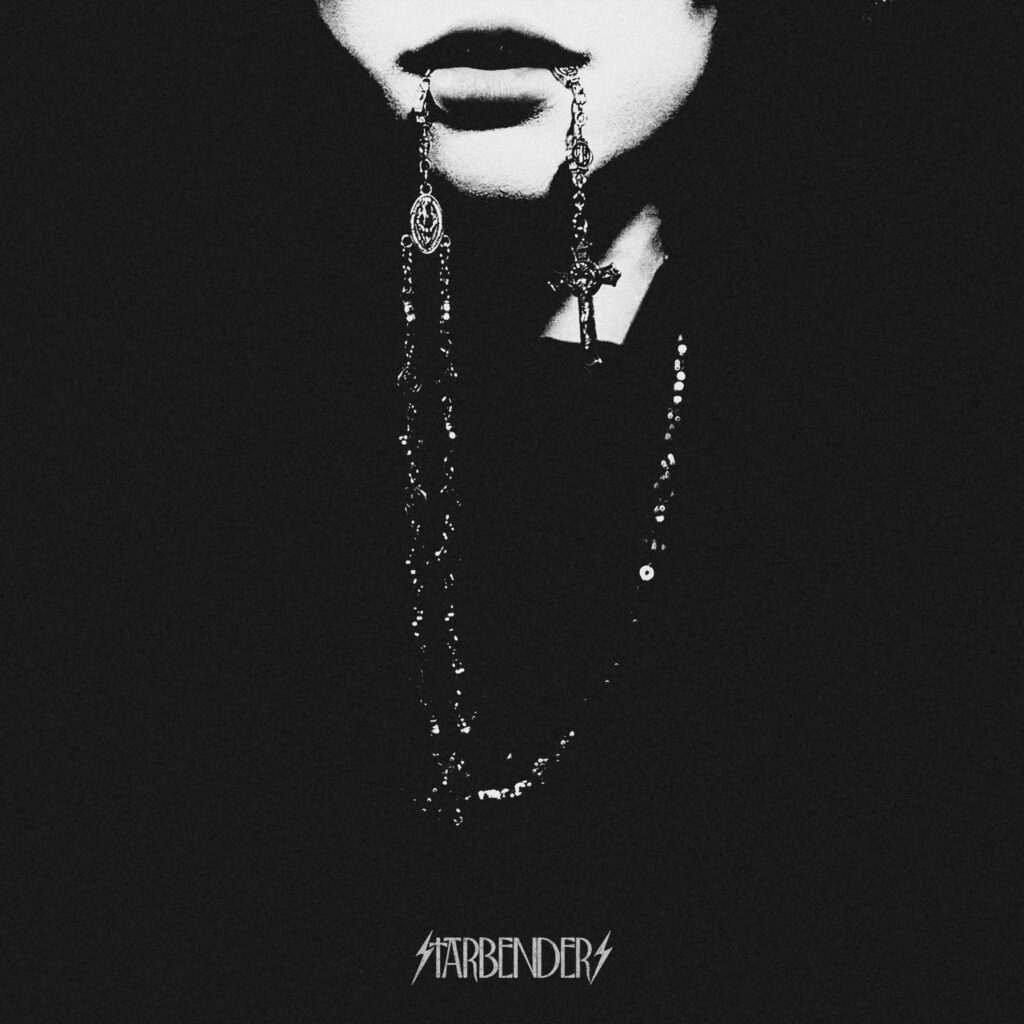
Starbenders have been kicking around for a little over a decade now, hell-bent on their mission on reviving glam rock and hair metal in all their glory. Or what little glory they had anyway; such scenes should be the subject of a future Netflix true crime series than anything worth celebrating. But regardless, the North American glam rock n’ rollers are back with another record in the form of The Beast Goes On, a record that tries and fails to be a big as the band member’s haircuts.
A record that implores the importance of being unapologetically yourself, larger than life, and fearlessly original, here, Starbenders present such crucial messages through 30-odd minutes of regurgitated clichés and tired stereotypes. Sounding akin to the corpse of Kiss’ career being dragged from the grave and being forced to perform TikToks after being subjected to 10 layers of pre-production polish, the record presents recycled tropes from the glam-metal days en-mass in what can only be called a torrent of trite. The opening gambit of the record’s title track and quite frankly awful ‘Nothing Ever Changes’ establishes this from the offset, with these tracks stringing together all imaginable stereotypes associated with the band’s evident inspirations with all the grit of double cream and the punch of Mother Teresa.
Now, there’s nothing inherently wrong with the kind of worship and revivalism that Starbenders peddle. Take Creeper for example; they’ve essentially become Meatloaf for Gen Z. But what’s missing here is that thin and subtle layer of irony and self-awareness that makes Creeper and their ilk enjoyable despite all their daftness. What Starbenders do here is take the grit and tropes of yesteryear’s stereotypes, polish them to an inch of their live, ensure it’s all PG friendly and offer them with no kind of self-awareness whatsoever. There’s no tact or careful finesse or anything remotely dangerous here, just a miasma of unoriginality that promotes the band’s aesthetic over any possible substance.