Back in 2024, Eihwar exploded onto the scene with their debut album, Viking War Trance, which was – and this cannot be stressed enough – exactly what it sounds like. Refreshingly so, given long it can take to get to the heart (or point) of many many metal albums these days. It was also, in the nicest possible way, not in possession of a great deal of depth. Eihwar were clearly prioritising fun and danceability, and their subsequent appearance at Bloodstock Open Air – as one of the borderline novelty acts that the Sophie tent is known for – suggests that audiences (and bookers) took them in that exact manner. You know the sort, the bands that are best seen after a long day and a skinful.
This is all very well and good, but where do you go from there? Do you keep making Now That’s What I Call Viking War Trance volumes 2 onwards? Do you make use of the audience gained from the first album to pivot into something a little more sustainable longterm? Do you disappear over the Bifröst in a mysterious fashion, never to return? The possibilities are endless.
Turns out Eihwar have taken a fairly standard approach to Hugrheim, in that they’ve built on the most accessible parts of Viking War Trance – the bits that have the widest appeal – and moved the concept on into territory that’s new, but also familiar, and still recognisably Eihwar. For a lot of people this is likely to be successful, because while Viking War Trance was an awful lot of fun, it was also weird and off-beat enough that it was always unlikely to appeal to the majority. Hugrheim,however, is a different beast.

Since their extremely successful first album Where The Heart Is, Philly-based Sweet Pill have been on a constant ascent. Their unique blend of melodic intensity, powerful yet angelic vocals and new school midwest emo riffs has placed them as the most refreshing emo band of the past decade. The five piece has very honestly opened up about the struggles they encountered with the compilation of this second album. The exhaustion of consistent travel and the expectation to summarily express it on a subsequent work is no small undertaking, and the pressure it places on an artist like singer Zayna Youssef and her relationships cannot be overstated. They ended up having to scrap a whole album worth of demos and decided to move on their own time; they had to pause, look inward, and ease the pressure they had been heaping on themselves over the past three years.
It is good to hear about bands being so honest about the struggle of navigating the music industry in this hyper-capitalist era, and not only that, but also taking it all in, reflecting and putting it into words and music. The band have described this record as one that tackles themes of self-reflection, learning from past mistakes and dealing with the emotions of being a human being, with this album forming from the natural process of trial and error in the creative space.

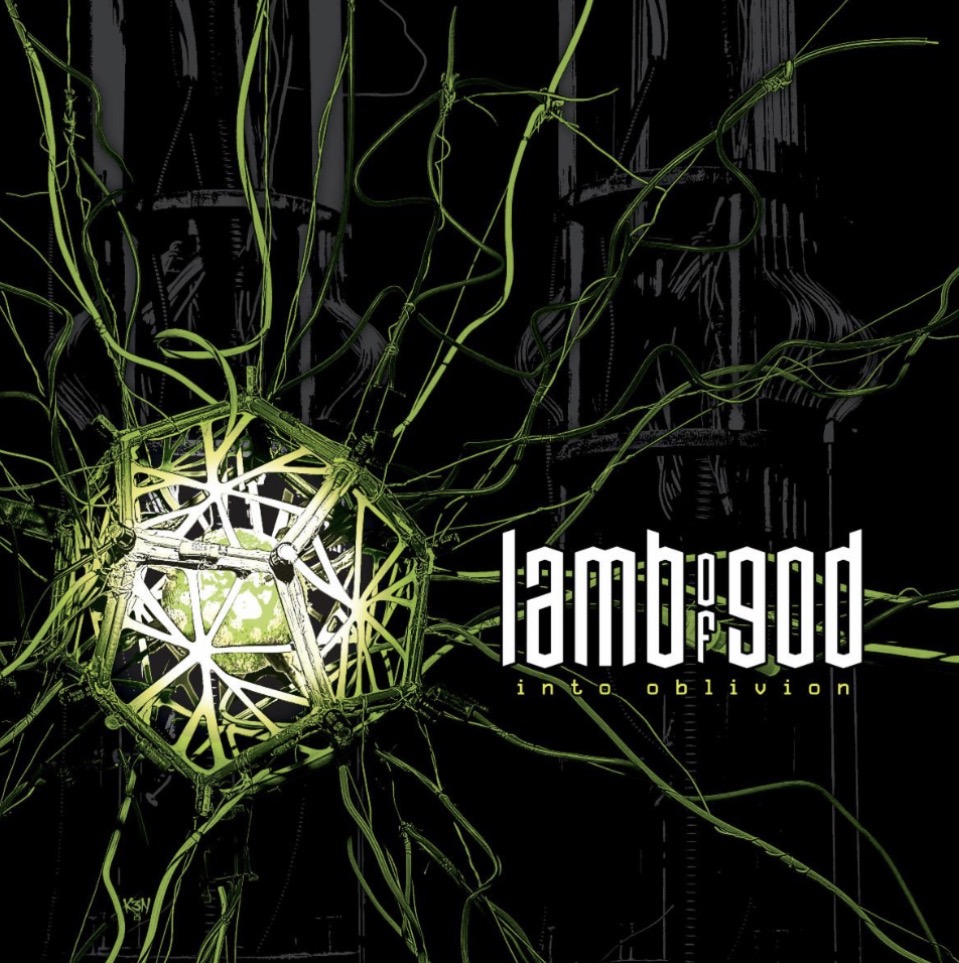
Lamb Of God are generally well-respected in the metal world, and Into Oblivion is a rhythmic celebration of all things groovy, hard-hitting, and angry. With iconic frontman Randy Blythe recording his vocals at Redondo Beach’s Total Access studio which boasts a number of seminal punk records ranging from Black Flag to Hüsker Dü, the music may be pure, no-nonsense metal, but there is a certain punk spirit and energy to the record that can’t be disputed. Hard-hitting tracks such as the furiously chugging riffs on single ‘Blunt Force Blues’, and the fast-paced grooves amongst an array of social critiques on ‘Parasocial Christ’ demonstrate this wonderfully. The latter may not be as hooky as some of their earlier material, but the ferocity and passion is still found across these ten tracks which definitely makes Into Oblivion a worthy listen.
Opening and title track ‘Into Oblivion’ has a bouncy aggression that’s almost impossible not to headbang to, and lead single ‘Sepsis’ kicks off the new era of the band with distortion aplenty, an effective spoken-word delivery from Blythe, and industrial strength bass tones which have an attractive layer of sludginess. Longtime producer Josh Wilbur (Trivium, A Day To Remember, Korn) also works his magic as someone who has worked with the band since their 2009 album Wrath, and his dedication to all things heavy and aggressive shines through greatly on this release;
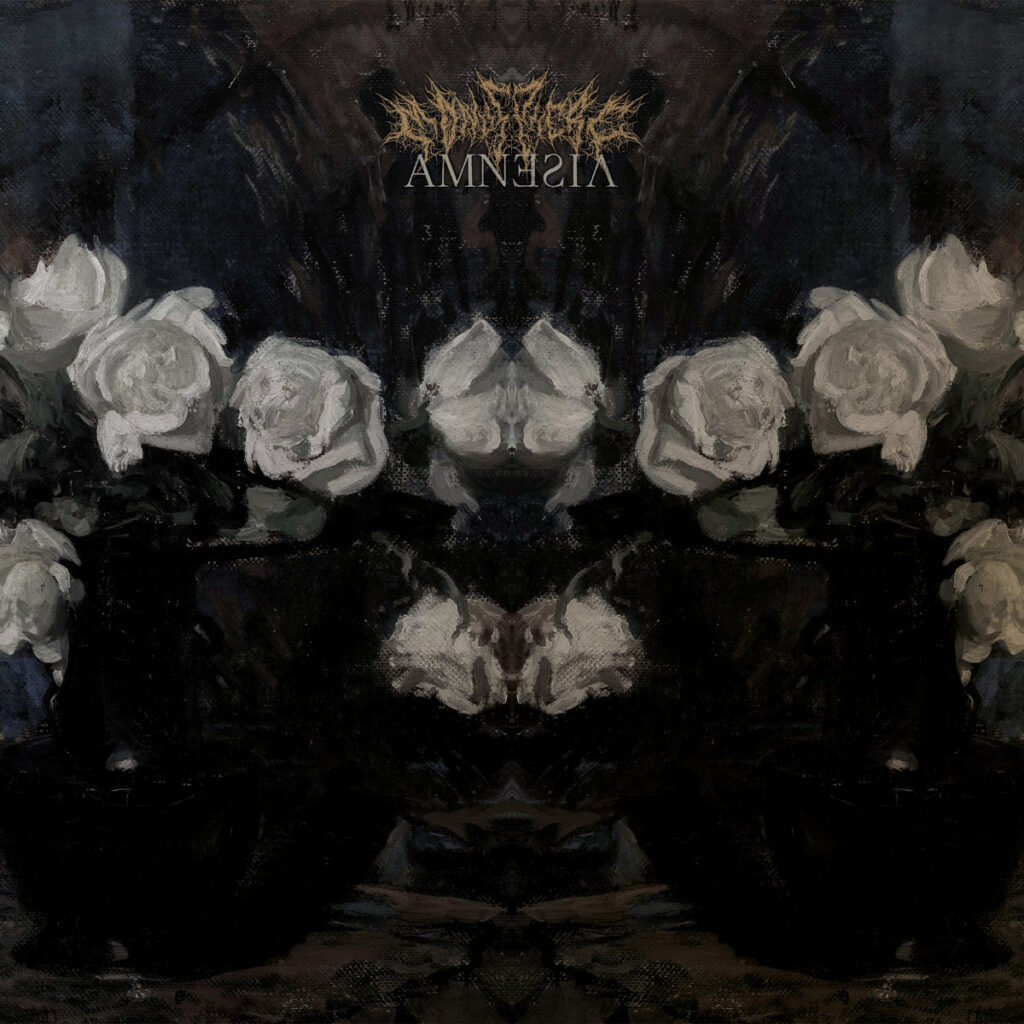
Monosphere have been synonymous with high conceptual vision and chameleonic genre fusion ever since their 2021 debut album The Puppeteer. Their adventurous merging of various musical influences coupled with ambitious conceptuality was taken a step further on their 2023 follow-up Sentience, leading to their newest effort, Amnesia, which presents a tighter, more streamlined approach to their artistic vision. In between releases and as soon as the post-pandemic live music industry allowed it, Monosphere have been touring relentlessly. Honing their craft, introducing crowds to their singular blend of heavy music genres gravitating towards the “progressive” and most likely learning new things along the way as they got the opportunity to open for some of their core inspirations such as Between The Buried And Me, Rolo Tomassi and The Ocean only to name a few.
The band’s proven record of playing shows alongside bands that exist in completely separate stylistic fields (take Cradle Of Filth, Wage War and Car Bomb for instance) not only shows a willingness to play live as much as possible as an independent outfit, but the fact that none of these inclusions on such a diverse selection of lineups feel awkward or out of place for Monosphere is testament to how broad and eclectic their musical appeal really is, and Amnesia certainly backs that statement.
As soon as the album opens up with ‘Collapse’, it’s hard to really pin down any one all encompassing specific genre or sub-genre to describe what it is Monosphere really do. Electronic synth arrangements breathe life into atmospheric post-metal riffs before the urgency of metalcore and djent take over while the vocals could easily belong in a deathcore register, propelled by furious blast beats and dramatic background orchestrations. As vocalist Kevin Ernst goes into his clean register in the second half of the track while the instrumentation takes a more introspective, almost post-rock attitude, the stage is already set for the remainder of the album; nothing stays in place for too long and mood shifts will be a-plenty and yet, there is also a focused steadiness to it all and the songwriting structures never really veer into chaotic unravelings à la BTBAM, making what Monosphere have to offer on Amnesia more accessible and palatable upon first listen to wider audiences.
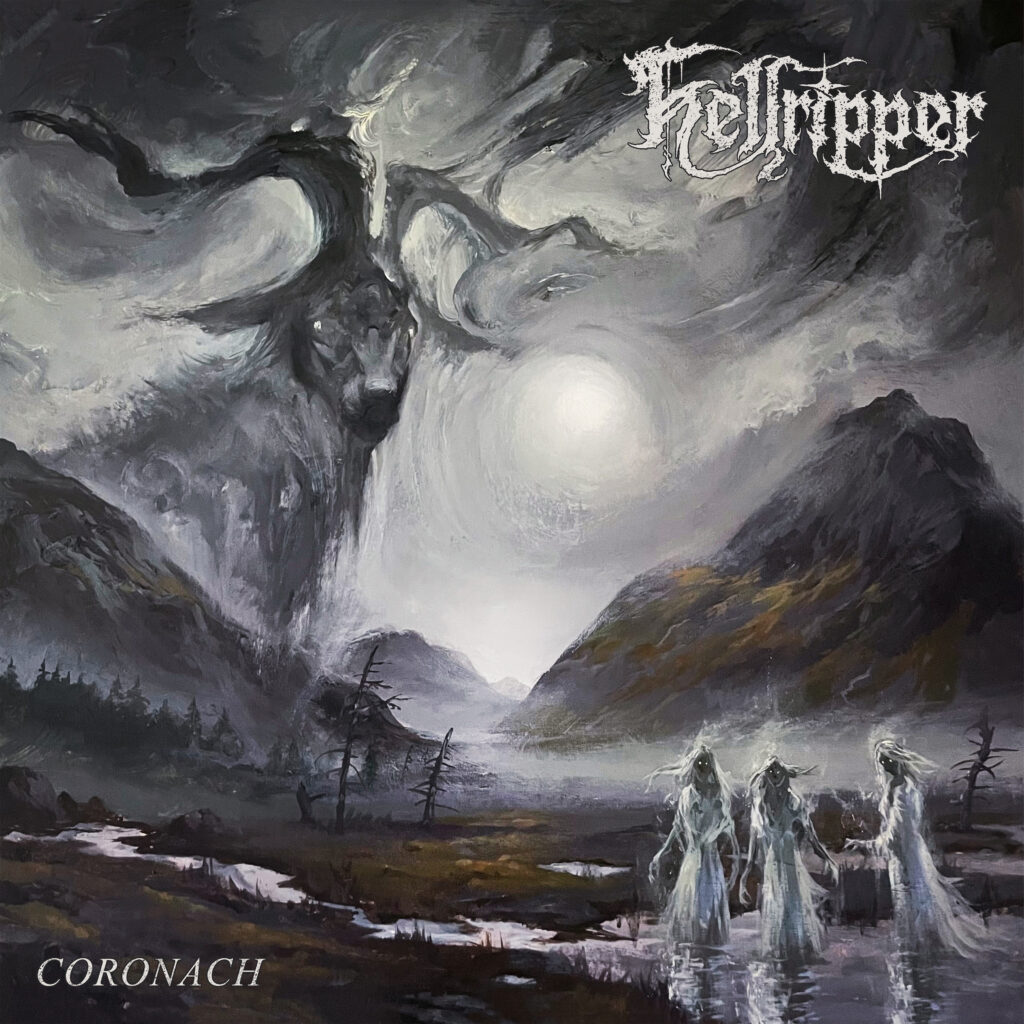
Fusing black metal fury with traditional and speed metal sensibilities has long been a recipe for a damn good time, and possibly none have perfected this combination quite like the one-man outfit of Hellripper (AKA James McBain) There’s little subtlety to be found here (although more here than on records past) and most of it smacks you square in the face with a pace attack to rival even the fastest bands out there. The riffs roll over you like a knight hacking and slashing their way through a horde of orcs and goblins, and that’s very much the atmosphere of this record, Coronach.
It’s bursting to the brim with riffs that carve through listeners with unholy fury. ‘Blakk Satanik Fvkkstorm’ encapsulates this perfectly, sounding like a journey through the biggest orgy hell has ever seen, galloping along as if being led by The Four Horsemen themselves. It’s lecherous and seedy, embodying all the excesses of rock’n’roll with absolute pleasure. This is the sound of everything that keeps your grandparents awake at night, worried about what sort of evil you might be getting into.
What’s especially remarkable is that it sounds this way without being a pastiche or coming across as just plain silly. The musicianship displayed across all areas is exceptional. ‘Hunderprest’ delivers some of the best shredding you will hear this year, and it adds a further layer of chaos and indulgence to something which is already bathed in over-the-top glory. Even with the title track opening with an almost doom-inspired riff on the funeral march, it serves the whole atmosphere perfectly. If listeners laugh when this kicks in, it’s a laugh of pure delight.
It becomes clear as the record barrels forward is just how strong the songwriting beneath all this carnage actually is. Hellripper has always been about speed and riffs first and foremost, but Coronach shows a clear sense of growth in how those elements are arranged. The pacing shifts more than one might initially expect, with moments of mid-paced stomp appearing between the whirlwind assaults, allowing the riffs room to breathe before the next attack arrives. When the throttle is inevitably slammed back down it lands even harder.
Another subtle addition that really helps build the atmosphere are the hints of symphonic elements scattered throughout the record. They’re never overbearing or theatrical enough to dominate the sound, but rather sit lurking in the background like some unseen demonic presence pulling the strings. These brief flourishes of dark melody and eerie ambience give the album an even stronger sense of menace, adding to the feeling that everything happening here is part of some grand, unholy ritual.
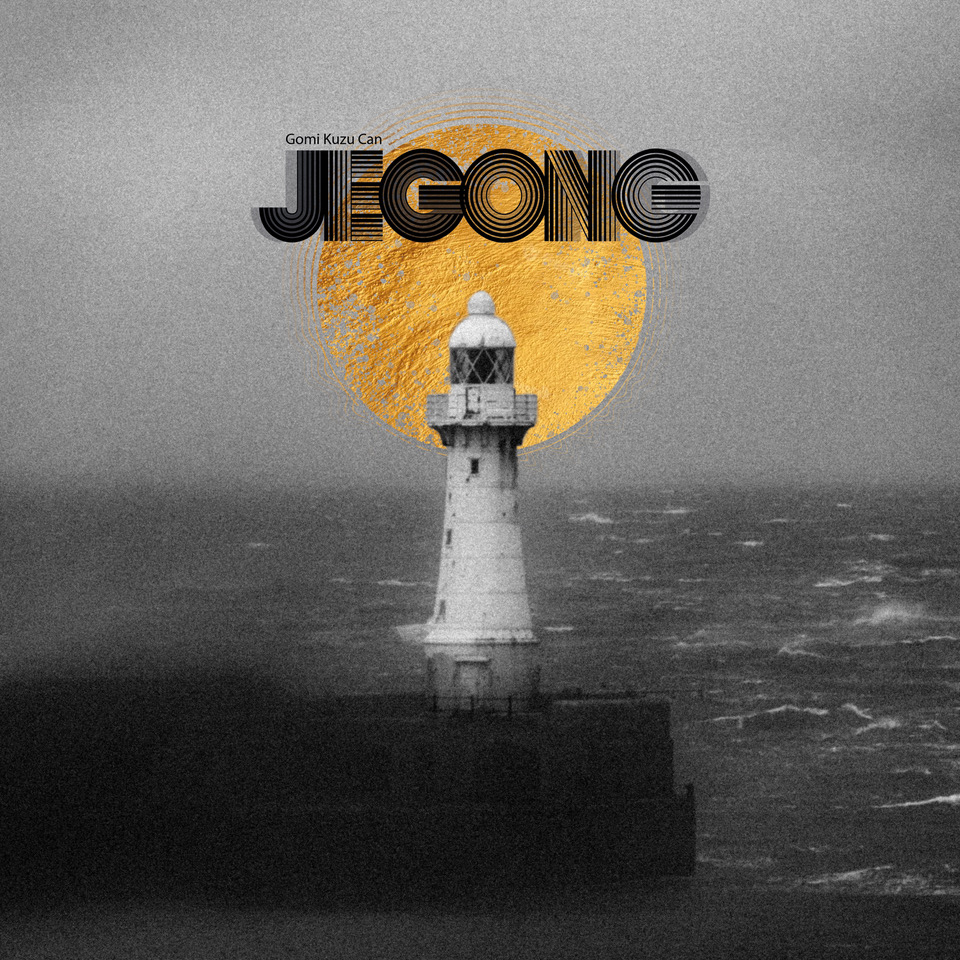
Gomi Kuzu Can is the new album from JeGong, the collaborative project of Dahm Majuri Cipolla from Mono and Reto Mäder from Sum of R, and there’s something charmingly retro about the band’s third offering, something to put listeners in mind of the hum of an old CRT TV, or that warm and slightly fuzzy sound of a tape recording and the pop and crackle of a well-loved LP. Musical influences on this album range from Ultravox to Tangerine Dream with a little Joy Division and Kraftwerk sprinkled in to create an album of thumping, machine-like melodies and industrial precision.
The polish is even more impressive when you discover that, rather than a controlled, clinical studio recording, JeGong opted to record this one live. That adds an extra layer to the depth of music on display here as well as arguably adding a new weight to the instrumentation that’s missing from a lot of overly-polished and safe studio albums. Everything here is slightly crisper, punchier than you might find in a lot of studio albums and you can easily picture hands dancing over keys, working all these instruments in real time, never missing a beat or a cue. It’s a sort of rough and ready, experimental approach that amplifies the lo-fi, analogue atmosphere the duo are going for here or, as they put it, creating “a kind of memory box where you can store recollections”.